

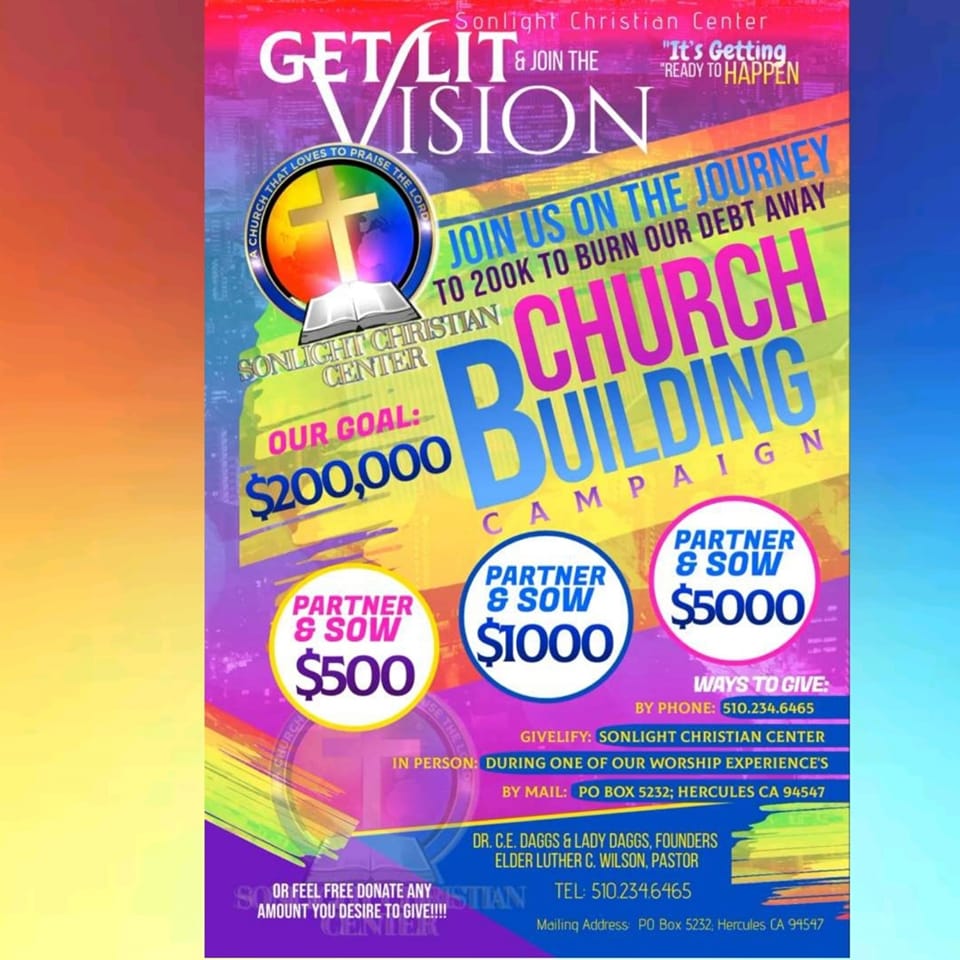
In the heart of every thriving congregation lies a vision that transcends the present—a dream woven from faith, purpose, and an unshakable belief in what could be. Church building campaigns are not merely about erecting structures; they are the physical manifestation of a spiritual journey, a testament to a community’s commitment to its calling. These campaigns breathe life into empty visions, transforming abstract ideals into tangible realities that inspire generations. Whether it’s a humble chapel or a sprawling sanctuary, each building tells a story of devotion, sacrifice, and hope. But what truly sets apart a successful campaign from a fleeting effort? It begins with clarity of vision, a compelling narrative that resonates with hearts and minds alike.
The Power of Vision: Painting the Future in Bold Strokes
A vision is more than a destination—it is the compass that guides every decision, the flame that fuels every prayer, and the blueprint that shapes every action. When a church embarks on a building campaign, it is not just constructing walls and pews; it is crafting a legacy. The most impactful visions are those that are vividly articulated, painting a picture so clear that even the youngest member of the congregation can see themselves within it. This vision must be rooted in scripture, resonate with the community’s deepest values, and extend an invitation to participate in something greater than themselves.
Consider the difference between a vision that says, “We need a new building,” and one that declares, “We are creating a sanctuary where every soul can encounter God’s presence without distraction.” The latter doesn’t just describe a structure; it evokes emotion, stirs the soul, and ignites a collective passion. A well-crafted vision statement becomes the rallying cry that unites diverse voices under a single banner of purpose. It answers the “why” before the “how,” ensuring that every brick laid and every dollar raised serves a higher calling.
Types of Church Building Campaigns: Tailoring the Approach to the Mission
Not all campaigns are created equal, and the most effective ones are those meticulously tailored to the unique heartbeat of the church. One size does not fit all, and the approach must align with the congregation’s size, resources, and spiritual maturity. The capital campaign is perhaps the most traditional, a structured, multi-year endeavor where the church sets a lofty financial goal, breaks it into phases, and rallies the community around a shared objective. These campaigns often involve significant fundraising, donor engagement, and meticulous planning to ensure transparency and accountability.
In contrast, the legacy campaign focuses on long-term impact, encouraging members to consider how their contributions will echo through generations. This approach often includes endowment funds, planned giving, and a deep emphasis on stewardship. It’s not just about building for today but ensuring that the church’s mission thrives for decades to come. Then there are missional campaigns, which tie the building project directly to the church’s outreach and community impact. Here, the structure itself becomes a tool for ministry—spaces designed for hospitality, education, and service that extend the church’s reach beyond its walls.
For smaller congregations or those in transitional phases, the phased campaign offers a pragmatic solution. Instead of waiting for the perfect moment, the church breaks the project into manageable segments, celebrating each milestone as a victory in itself. This approach reduces financial strain, builds momentum, and allows the community to experience the tangible fruits of their labor in incremental steps. Each type of campaign carries its own rhythm, challenges, and rewards, but all share a common thread: they are born from a desire to serve God and His people with excellence.
Engaging the Congregation: From Spectators to Stewards
The success of any building campaign hinges on the engagement of the congregation. A vision, no matter how compelling, remains a dream if the people are not mobilized to action. The key lies in transforming passive observers into passionate participants. This begins with storytelling—sharing testimonies of how the current space limits the church’s ability to minister, or how a new facility could unlock doors to unreached communities. Personal narratives create emotional connections, making the abstract feel personal and urgent.
Education is another critical component. Many members may not understand the intricacies of construction costs, zoning laws, or fundraising strategies. Hosting workshops, Q&A sessions, and vision-casting events demystifies the process and empowers the congregation to contribute meaningfully. It’s also essential to provide multiple avenues for involvement, from financial giving to volunteer labor, prayer support, and even creative contributions like artwork or landscaping. When people see their unique gifts being valued, they are more likely to invest their hearts, not just their wallets.
Leadership plays a pivotal role in this transformation. Pastors and campaign leaders must model generosity, not just in words but in deeds. When the leadership demonstrates a willingness to sacrifice, whether through personal contributions or time investment, it sets a powerful example. Transparency is equally vital—regular updates on progress, financial disclosures, and celebrating small wins foster trust and keep the momentum alive. A congregation that feels seen, heard, and valued will rise to meet the challenge with enthusiasm and unity.
Financial Strategies: Navigating the Path to Funding
No building campaign can succeed without a robust financial strategy. The most visionary ideas falter without the resources to bring them to life. The foundation of any funding plan is a realistic budget, one that accounts for not just construction costs but also contingencies, permits, and unforeseen expenses. A common pitfall is underestimating the total investment required, leading to mid-campaign scrambles and donor fatigue. Conducting thorough research and consulting with experienced professionals can prevent these missteps.
Diversification is another critical strategy. Relying solely on large donations from a few wealthy members is risky; a healthy campaign diversifies its funding sources. This might include tithes and offerings from the congregation, grants from denominational bodies, corporate sponsorships, and even crowdfunding platforms for smaller, community-driven projects. Planned giving programs, where members designate future gifts through wills or trusts, can also provide a steady stream of income over time. Each source has its own advantages, and a multi-pronged approach ensures stability even if one avenue underperforms.
Innovative financing options are worth exploring as well. Some churches leverage low-interest loans or lines of credit to bridge funding gaps, while others partner with construction firms that offer deferred payment plans. Crowdfunding campaigns, particularly for specific elements like stained glass windows or memorial plaques, can generate excitement and engagement. The goal is to create a financial ecosystem where every contribution, regardless of size, propels the vision forward. Transparency in how funds are allocated reinforces trust and encourages continued generosity.
Overcoming Challenges: When the Road Gets Rocky
Even the most well-planned campaigns encounter obstacles. Resistance within the congregation is one of the most common hurdles. Some members may question the necessity of a new building, fearing financial strain or distraction from core ministries. Others might feel disconnected from the vision, wondering how it aligns with their personal spiritual journey. Addressing these concerns requires patience, empathy, and a willingness to listen. Hosting open forums where doubts can be aired and questions answered can alleviate tensions and foster unity.
External challenges, such as economic downturns or regulatory hurdles, can also derail progress. A flexible mindset is essential here—being prepared to adjust timelines, scale back features, or seek alternative funding sources can mean the difference between perseverance and abandonment. It’s also crucial to maintain a posture of faith, trusting that obstacles are not roadblocks but opportunities to refine the vision and deepen reliance on God. The most resilient campaigns are those that view challenges not as setbacks but as stepping stones to greater faith and innovation.
Another frequent challenge is donor fatigue, where enthusiasm wanes as the campaign drags on. Combating this requires creativity and consistency. Celebrating milestones, sharing success stories, and introducing new engagement tactics—such as themed fundraising events or matching gift challenges—can reignite passion. The key is to keep the vision alive in the hearts of the people, reminding them that every contribution, no matter how small, is a vital thread in the tapestry of God’s work.
Celebrating the Milestones: The Joy of Progress
In the midst of planning and fundraising, it’s easy to overlook the importance of celebration. Yet, marking progress is vital for maintaining morale and reinforcing the campaign’s purpose. Groundbreaking ceremonies, topping-out events, and ribbon-cuttings are not just formalities; they are moments of collective joy that remind the community of the vision’s reality. These events can be infused with worship, testimonies, and even symbolic acts—such as laying a foundation stone or planting a tree—that tie the physical structure to the spiritual journey.
Regular updates, whether through newsletters, social media, or in-person gatherings, keep the momentum alive. Highlighting individual contributions, sharing construction progress, and recognizing volunteers fosters a sense of ownership and pride. Celebration isn’t just about the destination; it’s about the journey, the lessons learned, and the bonds forged along the way. When people see their efforts bearing fruit, they are more likely to remain committed for the long haul.
The completion of a building campaign is not the end of the story but the beginning of a new chapter. The structure itself is merely a vessel; the true legacy lies in how it is used to advance the church’s mission. Whether it’s hosting community outreach programs, providing a sanctuary for worship, or serving as a hub for discipleship, the building becomes a living testament to the power of vision and perseverance. And when future generations walk through its doors, they will not just see bricks and mortar—they will see the faithfulness of a people who dared to dream big and trusted God to make it possible.

