

Imagine stepping into a sanctuary where every seat is filled with eager hearts, not out of habit, but out of genuine yearning for community. A church membership drive can be the catalyst that transforms that vision from a reverent daydream into a living reality. By intertwining heartfelt narrative with strategic action, you invite both the faithful and the curious to experience a spiritual home that feels both ancient and freshly relevant.
Discerning the Core Purpose
Before drafting flyers or scheduling events, ask yourself: why does membership matter? The answer isn’t merely about headcounts; it’s about nurturing an incarnational fellowship where each individual feels seen, heard, and empowered. Clarify whether the drive aims to deepen existing relationships, reach the unchurched, or swell the volunteer pool. This purpose becomes the north star that aligns every subsequent decision, ensuring that every outreach effort resonates with authenticity rather than hollow ambition.
Establishing Measurable Objectives
Set concrete, quantifiable targets—say, a 20% increase in active participants within three months. These benchmarks act as both motivators and yardsticks. They should be specific, achievable, relevant, and time-bound (SMART). By translating abstract aspirations into actionable milestones, you provide a roadmap that allows the congregation to track progress, celebrate small victories, and recalibrate when necessary.
Identifying the Audience Spectrum
Your community is a mosaic of potentials: long‑standing devotees, occasional visitors, and outright newcomers. Segment these groups based on their spiritualaturity, interests, and barriers to entry. Use demographic surveys and informal conversations to map their aspirations. Tailoring messages for each segment ensures that the invitation feels personally pertinent, rather than a generic broadcast.
Crafting a Compelling Narrative
Stories are the lifeblood of persuasion. Weave together testimonies of transformation, moments of communal triumph, and vivid imagery of what belonging to the church could look like. Employ sensory language—describe the warm glow of candlelight, the echo of a hymn echoing through vaulted arches—to immerse readers emotionally. A well‑crafted narrative not only informs but also incites curiosity, prompting recipients to envision themselves within the story.
Designing Impactful Outreach Materials
Visual collateral should echo the narrative’s tone. Choose colors that evoke reverence and hope—deep blues, soft golds. Use clean typography that balances tradition with modernity. Incorporate QR codes linking to a short video teaser, and include clear calls‑to‑action (“Join us for a Welcome Breakfast, this Saturday”). Ensure every piece is shareable in both print and digital formats, extending reach beyond the sanctuary walls.
Harnessing Digital Platforms Strategically
The virtual realm offers unparalleled amplification. Leverage social media channels—Facebook groups, Instagram stories, and YouTube— to broadcast live testimonies, behind‑the‑scenes tours, and interactive Q&A sessions. Deploy email newsletters with personalized subject lines (“A Place Where Your Story Matters”) and track open rates to refine messaging. Remember, digital tools are enablers, not replacements, for genuine interpersonal engagement.
Orchestrating Community Events
Live gatherings serve as tactile proof points. Host “Open Doors” brunches, prayer walks, or service‑oriented projects that invite prospective members to participate actively. These events should be experiential: participants might help pack care packages, share a meal, or engage in a guided meditation. The shared labor builds trust, breaks ice, and showcases the church’s collective mission.
Training Volunteers as Ambassadors
Equip passionate congregants with the skills to articulate the church’s vision confidently. Conduct workshops on active listening, storytelling techniques, and handling FAQs. Role‑play scenarios can bolster readiness, ensuring that every interaction—whether at the grocery store or after a service—feels sincere and informed. Empowered ambassadors act as living bridges, turning casual encounters into meaningful invitations.
Implementing a Robust Follow‑Up System
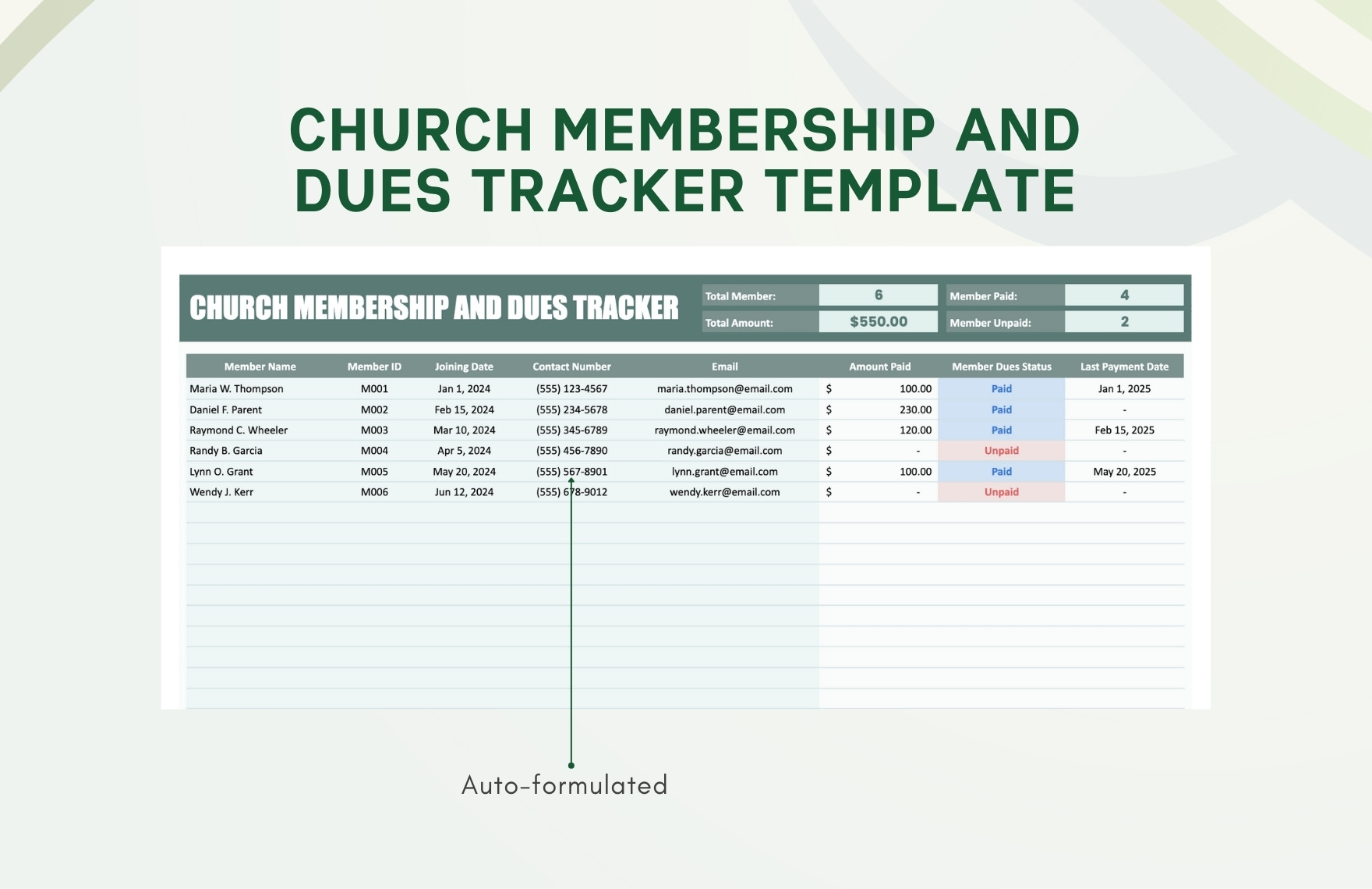
First impressions are fleeting; sustained contact cements interest. Develop a multi‑touch follow‑up sequence: personalized thank‑you notes, phone calls, and invitation to small group gatherings. Use CRM tools to log interactions, allowing you to track where each prospect stands on their journey. Promptly addressing hesitations demonstrates attentiveness, converting curiosity into commitment.
Measuring Success and Iterating
After the drive concludes, review both quantitative data (attendance, sign‑up rates) and qualitative feedback (stories, testimonials). Identify which tactics ignited enthusiasm and which fell flat. Iterate on the strategy, applying lessons learned to future initiatives. Continuous improvement ensures that each membership drive becomes more effective, more resonant, and more transformative.
Sustaining Long‑Term Engagement
Membership is a beginning, not an endpoint. Foster ongoing belonging through mentorship programs, celebrate milestones (anniversaries, baptisms), and offer pathways for deeper involvement—music, outreach, teaching. When members see tangible growth opportunities, they remain invested, contributing to a thriving ecclesiastical ecosystem. The drive’s true success lies in the lasting sense of home it cultivates.

