

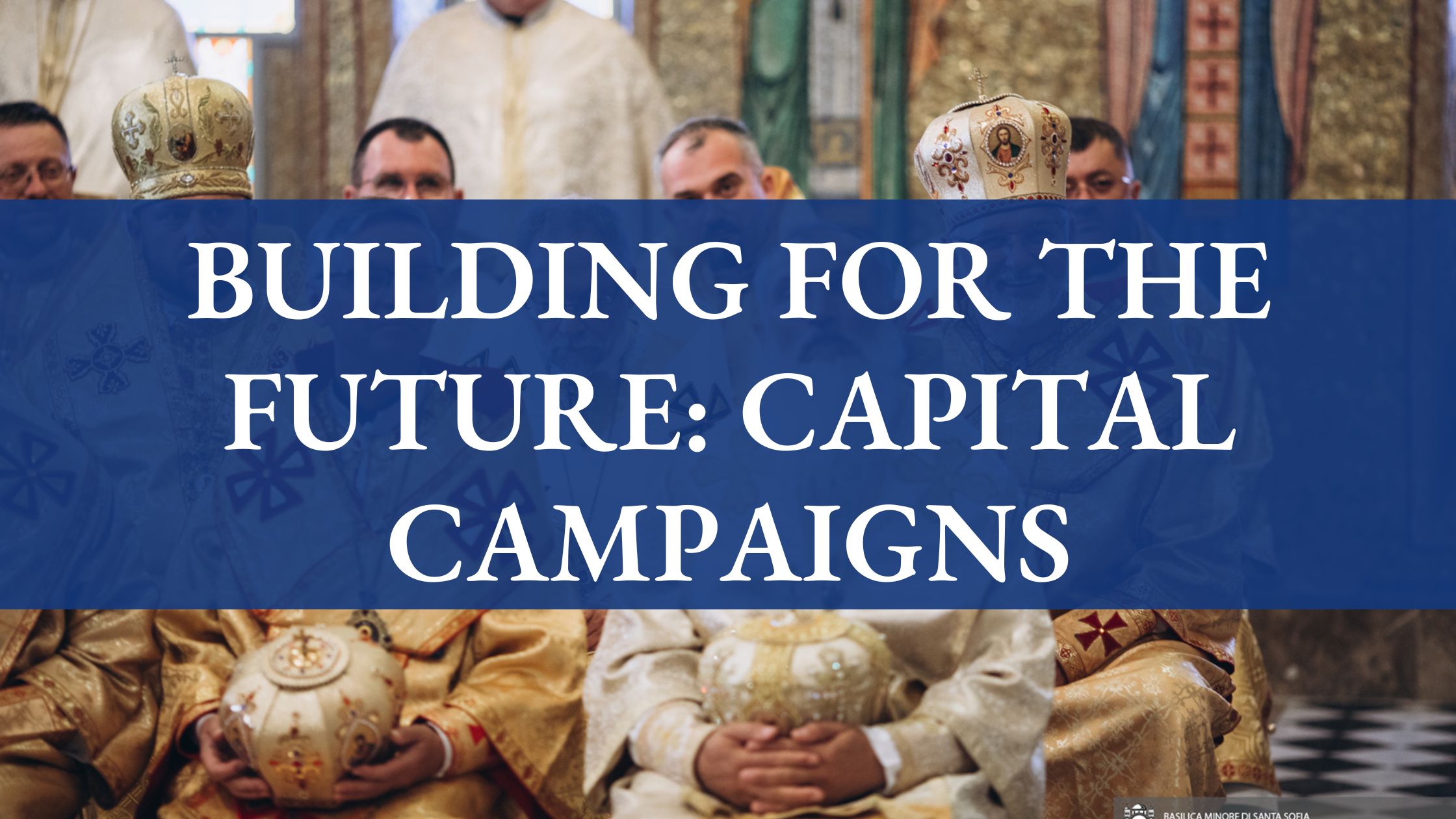
In the grand tapestry of faith and community, few endeavors are as transformative—or as daunting—as a church capital campaign. It is not merely a financial endeavor; it is a sacred calling, a bold declaration that the future is not something to be passively endured but actively shaped. When a congregation unites behind a shared vision, something extraordinary happens: walls rise not just of brick and mortar, but of hope, purpose, and unwavering belief in what could be. This is the essence of casting vision—a clarion call to reimagine not just a building, but a legacy.
The Sacred Art of Vision Casting: More Than a Blueprint
Vision casting is the alchemy of turning the intangible into the tangible, the dream into the deed. It begins not with spreadsheets or blueprints, but with a question: What if? What if our church could be a beacon of light in a world that often feels shrouded in darkness? What if our sanctuary could echo with the laughter of children learning, the whispers of prayer, the harmonies of a choir lifting voices in unison? This is not mere optimism; it is a prophetic declaration that the future is not a specter to fear but a canvas to paint with faith.
A vision is not a solitary endeavor. It is a communal revelation, a shared epiphany that binds hearts and minds. When a pastor stands before a congregation and paints a picture of what could be—when they describe a space where the weary find rest, where the lost find direction, where the broken find healing—they are not just sharing an idea. They are igniting a movement. The most powerful visions are those that resonate so deeply with the soul that they compel action, not out of obligation, but out of conviction.
The Capital Campaign: A Pilgrimage of Faith and Generosity
A capital campaign is not a transaction; it is a pilgrimage. It is a journey that tests the mettle of a congregation, not just in their financial stewardship, but in their willingness to surrender their resources, their time, and their very selves to a cause greater than themselves. This is where the rubber meets the road, where the rubber meets the road, where the abstract becomes concrete, and where the rubber meets the road of divine providence.
Yet, this pilgrimage is fraught with challenges. Fear whispers in the shadows: What if we fail? Doubt gnaws at the edges: Do we have enough? The enemy of progress is not scarcity, but hesitation. The antidote? A relentless focus on the why. Why are we doing this? Because we believe in a God who multiplies loaves and fishes. Because we trust that when we step out in faith, He will meet us more than halfway. Because we are not building for ourselves, but for generations yet unborn.
The most successful campaigns are those that transform giving from a duty into a privilege. When congregants see their contributions not as mere donations, but as sacred investments in eternity, their generosity knows no bounds. This is the power of vision: it turns fundraisers into faith-builders, and donors into disciples.
From Vision to Reality: The Architecture of Hope
Every great structure begins with a single stone. In the case of a church capital campaign, that stone is the vision itself. But vision alone is not enough. It must be paired with meticulous planning, unwavering leadership, and an unshakable belief in the impossible. The architecture of hope is not just about erecting walls; it is about creating spaces where lives are transformed.
Consider the sanctuary, the heart of the church. It is more than a room; it is a sanctuary of the soul. The acoustics must carry the voice of the preacher, the hymns of the congregation, the prayers of the faithful. The lighting must be soft enough to cradle a moment of quiet reflection, yet bright enough to illuminate the path forward. The seating must be arranged not just for comfort, but for connection—for the stranger who becomes a friend, for the seeker who finds belonging.
But the vision extends beyond the sanctuary. It encompasses classrooms where children discover the joy of learning, fellowship halls where strangers become family, and outreach centers where the marginalized find dignity. This is the architecture of hope: a physical manifestation of the belief that God’s kingdom is not just a spiritual reality, but a tangible one.
The Ripple Effect: How Vision Transforms Communities
A church capital campaign is not an isolated event. It is a pebble dropped into the pond of a community, sending ripples that extend far beyond the church walls. When a congregation invests in its future, it sends a message: We believe in this place. We believe in these people. We believe in what God can do.
This ripple effect can be seen in the lives of those who are served. A new community center becomes a hub for after-school programs, feeding the hungry, and offering shelter to the homeless. A renovated sanctuary becomes a sanctuary not just for worship, but for healing, for reconciliation, for the breaking of chains. The impact is not just measured in square footage or dollars raised, but in changed lives, restored families, and renewed hope.
Moreover, a successful capital campaign can inspire other churches to dream bigger, to believe in the impossible, and to step out in faith. It becomes a testament to the power of collective vision, proving that when a people unite behind a shared purpose, they can move mountains—or at least, build them.
Overcoming the Obstacles: Faith in the Face of Fear
No journey is without its storms. A capital campaign will inevitably face obstacles—financial shortfalls, skepticism, logistical nightmares. But these are not roadblocks; they are opportunities to exercise faith. The greatest campaigns are not those that encounter no resistance, but those that press forward despite it.
One of the most common obstacles is the fear of failure. What if we don’t raise enough? What if the project drags on for years? The answer lies in reframing the narrative. Failure is not the absence of success; it is a stepping stone on the path to it. Every setback is a lesson, every delay a divine appointment. The key is to remain steadfast, to keep the vision alive even when the road is rocky.
Another obstacle is the temptation to compare. Every church’s journey is unique. Some may raise millions in a single weekend; others may struggle to meet their goals. But comparison is the thief of joy. The measure of success is not in the size of the campaign, but in the faithfulness of the people. Did they give generously? Did they pray fervently? Did they believe that God could do immeasurably more than they could ask or imagine?
The Legacy We Leave: Building for Eternity
In the grand scheme of eternity, buildings are temporary. But the legacy they represent is eternal. A capital campaign is not just about constructing a physical space; it is about laying a spiritual foundation. It is about creating a legacy of faith, a testament to the belief that God’s work is not confined to the spiritual realm, but is woven into the fabric of the physical world.
This legacy is not just for the congregation that builds it, but for the generations that follow. A child who grows up in a church with a vibrant children’s ministry will carry that memory into adulthood. A young adult who finds community in a thriving youth group will return to bless others. A family that experiences the healing power of a renovated sanctuary will tell their story for decades to come.
The most profound legacy, however, is not found in brick and mortar, but in the lives changed. It is in the single mother who finds hope in a food pantry. It is in the addict who finds freedom in a recovery program. It is in the elderly couple who find purpose in serving others. This is the true measure of a capital campaign: not how much was raised, but how many hearts were transformed.
As the dust settles and the final brick is laid, one truth remains: the greatest investment we can make is not in buildings, but in people. A church capital campaign is not the end of the journey; it is the beginning of a new chapter. It is a declaration that the best is yet to come, that the future is bright, and that with God, all things are possible. So let us cast our vision, let us step out in faith, and let us build not just for today, but for eternity.

