

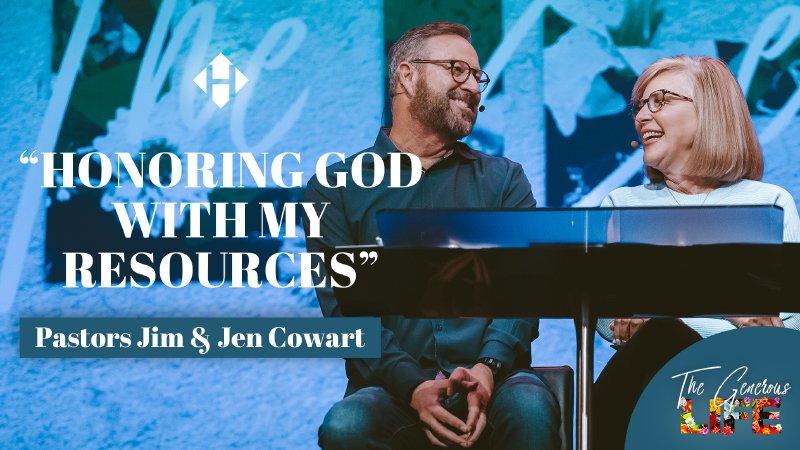
When a congregation steps forward to celebrate a church dedication or to engage in the timeless practice of giving, the moment becomes a vivid illustration of trust, gratitude, and divine partnership. The act of honoring God with resources is more than a transaction; it is a narrative of surrender and expectancy, a story written in every tithe, offering, and sacrificial gift that echoes through the sanctuary’s walls and into the lives of believers.
The Sacred Act of Dedication
Dedication, in its purest form, is a ceremonial entrusting of a building, a ministry, or a personal endeavor to the Almighty. In the early church, believers would stand before the assembly, laying their plans upon the altar, acknowledging that every brick, every hymn, and every mission belongs to God. This ritual not only sanctifies the physical space but also reaffirms the community’s covenant with the Divine, reminding each participant that all endeavors commence and culminate in the Lord’s presence.
Biblical Precedents: From Tithes to Offerings
The Hebrew Scriptures are riddled with directives that frame giving as an act of reverence. From the Levitical command to bring a tenth of the harvest to the sanctuary (Leviticus 27:30) to the New Testament admonition to “give cheerfully” (2 Corinthians 9:7), the Bible weaves a consistent thread of intentional generosity. The ancient practice of tithing was not merely a tax but a confession that the Lord is the source of abundance. Offerings, meanwhile, expanded beyond the required tithe, inviting worshippers to present “firstfruits” as a token of heartfelt gratitude.
Theological Underpinnings: Stewardship as Worship
Stewardship encapsulates the belief that humans are “managers” of God’s bounty rather than owners. In this theological framework, every resource—money, talent, time—is a divine loan entrusted to us for purposeful deployment. The act of giving therefore becomes an expression of worship, a tangible acknowledgment that all we possess originates from the Creator. When the heart aligns with this perspective, the act of parting with material assets transforms into an offering that reverberates spiritually.
Shifting Perspectives: From Ownership to Trust
Modern culture often cultivates a possessive mindset, urging individuals to cling tightly to wealth. Yet, the scriptural narrative invites a paradigm shift: from seeing ourselves as owners to recognizing ourselves as trustees. This transformation begins with an internal reorientation—understanding that financial blessings are tools for kingdom work, not symbols of personal status. As believers surrender the illusion of ownership, they experience freedom, purpose, and a deeper intimacy with God.
The Heart of the Giver: Motivation and Devotion
Motivation is the engine behind every act of generosity. The Bible warns against giving “to be seen by others” (Matthew 6:1), emphasizing that authentic devotion springs from a sincere heart. When the motive is love for God and compassion for others, giving becomes a joyful surrender rather than a reluctant obligation. A heart devoted to God discerns needs, anticipates blessings, and eagerly offers resources where they can bear lasting fruit.
Practical Expressions: How Congregations Formalize Dedication
Churches often formalize dedication through ceremonies that include prayer, scripture reading, and symbolic gestures such as lighting a lamp or laying a cornerstone stone. These practices serve as visual metaphors, anchoring abstract faith in concrete actions. Similarly, structured giving programs—such as regular tithes, special offerings, and capital campaigns—are introduced to provide believers with consistent avenues for expressing their commitment. Transparency in these processes fosters trust, ensuring that contributions are allocated responsibly.
The Joy of Generosity: Transcendent Rewards
Scripture promises that “whoever sows generously will also reap generously” (2 Corinthians 9:6). The reward, however, is not always material; it frequently manifests as spiritual joy, peace, and a deepened sense of community. Generous hearts experience a supernatural buoyancy, an emotional uplift that surpasses the momentary pleasure of material acquisition. This joy, in turn, fuels further acts of kindness, creating a virtuous cycle within the congregation.
Navigating Challenges: Temptations and Moral Dilemmas
While generosity is celebrated, it is not without its complexities. Questions arise about equitable distribution, stewardship of large sums, and the potential for misuse. A mature church addresses these concerns through clear policies, financial oversight, and prayerful discernment. By confronting temptations head‑on—be they greed, pride, or complacency—the community maintains integrity, ensuring that resources serve the Kingdom’s purposes rather than personal agendas.
Community Impact: Multiplying Blessings
When dedicated funds are funneled into mission projects, benevolence programs, and educational initiatives, the impact reverberates far beyond the church’s walls. Orphanages receive nourishment, schools acquire textbooks, and families discover hope amidst hardship. The ripple effect of a single act of giving can catalyze transformation across neighborhoods, nations, and generations, echoing the biblical principle that even a mustard seed can grow into a sheltering tree (Matthew 13:31‑32).
Personal Testimonies: Stories of Transformation
Across centuries, believers have shared narratives of how their commitment to giving reshaped their lives. A young professional, once burdened by debt, began tithing and found that divine provision opened doors to unexpected career advancement. A widower, through a modest offering, helped fund a community garden that now supplies fresh produce to a local food bank. These testimonies illustrate that honoring God with resources is not a lofty abstraction but a lived experience that fuels tangible change.

