

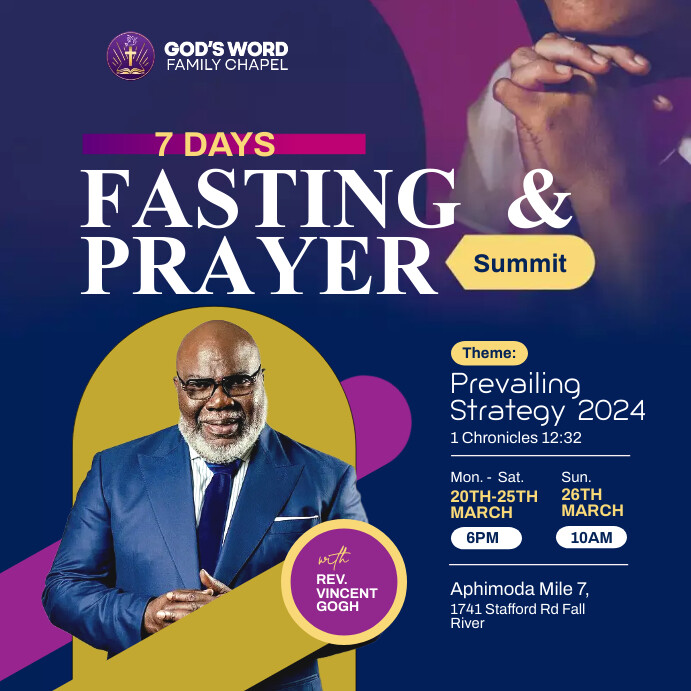
Church fasting campaigns are not merely seasonal rituals; they are transformative spiritual odysseys that demand meticulous planning, unwavering commitment, and creative execution. These campaigns, whether brief or protracted, serve as catalysts for communal renewal, individual breakthroughs, and divine encounters. To harness their full potential, leaders must craft strategies that resonate with the hearts of their congregations while aligning with the overarching vision of their faith community. This guide explores the multifaceted approaches to designing and executing church fasting campaigns that inspire, engage, and yield lasting spiritual fruit.
The Anatomy of a Purpose-Driven Fasting Campaign
A successful fasting campaign begins with a crystal-clear purpose. Is the goal to seek divine intervention for a specific need? To cultivate deeper intimacy with God? To break spiritual strongholds? Or perhaps to foster unity within the congregation? The purpose sets the trajectory for every subsequent decision—from the campaign’s duration to the types of content shared. A well-defined purpose acts as a compass, ensuring that all efforts remain anchored in intentionality rather than mere tradition. Leaders must articulate this purpose with eloquence, weaving it into sermons, prayers, and promotional materials to galvanize the congregation toward a shared objective.
Structuring the Campaign: Timelines and Phases
Fasting campaigns thrive on structure. A typical campaign might unfold in three phases: preparation, execution, and reflection. The preparation phase involves educating the congregation about the spiritual discipline of fasting, its biblical foundations, and practical guidelines. This is where leaders dispel myths—such as the notion that fasting requires abstaining from food alone—and emphasize the holistic nature of fasting, which may include media fasts, social media detoxes, or even fasting from negative speech. The execution phase is the heart of the campaign, where the congregation engages in collective fasting, prayer, and worship. Finally, the reflection phase invites participants to debrief, share testimonies, and integrate the lessons learned into their daily walk. Each phase should be meticulously planned, with clear milestones to measure progress and engagement.
Content Strategies: Feeding the Soul Before the Fast
Content is the lifeblood of any fasting campaign. It nourishes the spirit, equips the saints, and sustains momentum. Leaders should curate a diverse array of content tailored to different learning styles and spiritual appetites. Devotional guides, for instance, can provide daily scriptural meditations paired with reflection questions to deepen personal study. Video teachings from seasoned spiritual leaders can offer theological depth and practical insights, while podcast episodes or audio sermons allow participants to engage on the go. Social media snippets—short, powerful quotes or prayer prompts—can keep the campaign top of mind in the digital sphere. For the visually inclined, infographics or illustrated guides can distill complex concepts into digestible visuals. The key is to deliver content that is both accessible and profound, ensuring that every participant, regardless of their spiritual maturity, feels equipped to engage fully.
Interactive Elements: Fostering Communal Participation
Fasting is often perceived as a solitary endeavor, but its power multiplies exponentially in community. Interactive elements can transform a personal discipline into a collective experience. Prayer chains, where participants sign up for specific times to pray, create a continuous rhythm of intercession. Small group challenges, such as 21-day prayer journals or accountability partnerships, foster deeper connections and mutual encouragement. Virtual watch parties for sermons or worship sessions can bridge geographical divides, allowing remote participants to feel included. Leaders might also introduce creative elements like fasting journals, where congregants document their spiritual journey, or social media challenges that encourage sharing testimonies and prayer requests. These interactions not only bolster engagement but also cultivate a culture of transparency and vulnerability, where struggles and victories are shared openly.
Testimony Harvesting: Amplifying the Fruits of Fasting
Testimonies are the currency of faith. They transform abstract concepts into tangible proof of God’s faithfulness. During a fasting campaign, leaders should proactively create avenues for participants to share their experiences. This could take the form of a dedicated testimony wall in the church lobby, a digital submission form for online participants, or even a live testimony segment during services. The act of sharing not only strengthens the individual’s faith but also ignites hope in others. Leaders can further amplify these stories through newsletters, social media features, or even a dedicated “Fasting Campaign Testimony” eBook published post-campaign. By highlighting diverse stories—from breakthroughs in health to restored relationships—leaders paint a vivid picture of God’s multifaceted work, inspiring others to persevere in their own journeys.
Overcoming Obstacles: Navigating Common Challenges
No campaign is without its hurdles. Physical hunger, spiritual dryness, and wavering motivation are common foes. Leaders must anticipate these challenges and equip the congregation with strategies to overcome them. For instance, providing practical tips on managing hunger—such as staying hydrated, engaging in light exercise, or focusing on nutrient-dense meals before the fast—can ease the physical strain. Spiritual dryness can be combated through worship music, journaling, or revisiting past moments of God’s faithfulness. Motivation often wanes when the initial excitement fades; this is where accountability partners and small groups play a crucial role. Leaders should also model vulnerability by sharing their own struggles, normalizing the ebb and flow of spiritual disciplines. By addressing obstacles head-on, leaders foster resilience and perseverance within the congregation.
Post-Campaign Integration: Sustaining the Momentum
The true measure of a fasting campaign’s success lies not in its conclusion but in its aftermath. Leaders must create pathways for participants to integrate the lessons learned into their ongoing spiritual lives. This might involve launching a follow-up discipleship group, introducing a monthly fasting day, or incorporating fasting into the church’s annual calendar. Leaders can also send follow-up resources, such as a “Next Steps” guide or a list of local prayer ministries, to keep the momentum alive. Additionally, leaders should celebrate the campaign’s impact by sharing aggregated results—such as the number of participants, testimonies received, or specific prayers answered—to reinforce the value of the collective effort. By treating the campaign as a launchpad rather than a standalone event, leaders ensure that the spiritual fire ignited during the fast continues to burn brightly.
Measuring Success: Metrics That Matter
In a results-driven world, it’s tempting to measure success by attendance numbers or social media engagement. However, the most meaningful metrics are those that reflect spiritual transformation. Leaders should track qualitative data, such as the depth of personal prayer lives, the quality of relationships within the congregation, or the prevalence of answered prayers. Surveys or feedback forms can provide insights into participants’ experiences, highlighting areas of growth and opportunities for improvement. Leaders might also consider tracking the number of salvations, healings, or reconciliations that occur during the campaign, as these tangible outcomes often align with the campaign’s purpose. By prioritizing spiritual fruit over superficial metrics, leaders gain a clearer picture of the campaign’s true impact.
Church fasting campaigns are not just about abstaining from food; they are about feasting on the presence of God. With intentionality, creativity, and a heart for transformation, leaders can design campaigns that leave an indelible mark on their congregations. The strategies outlined here are not rigid formulas but adaptable frameworks, designed to be tailored to the unique needs and calling of each faith community. As leaders embark on this journey, they must remember that the ultimate goal is not perfection but encounter—an encounter with the living God that reshapes lives, renews minds, and revives the spirit.

