

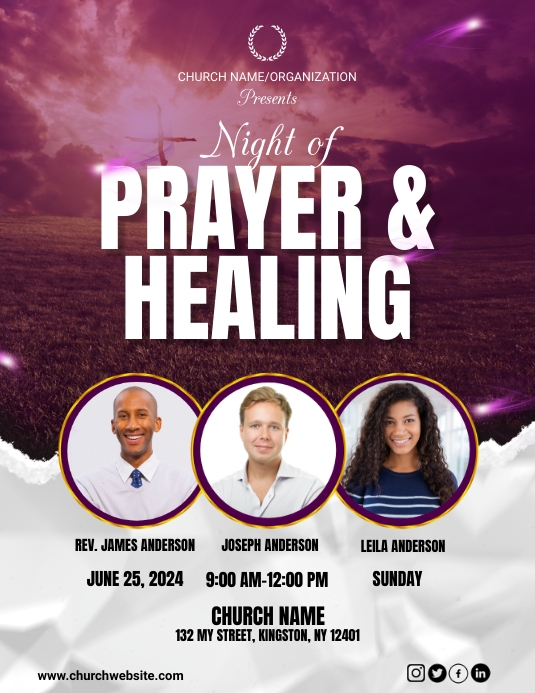
In the quiet hum of pews and the flicker of candlelight, a transformation stirs—not just in the hearts of believers, but in the very fabric of communities. Church healing campaigns, those vibrant bursts of spiritual renewal, are more than mere events; they are lifelines thrown into the stormy seas of modern existence. They answer a deep, unspoken yearning: the need for wholeness in a world fractured by noise, distraction, and existential fatigue. But why do these campaigns captivate us so fiercely? What alchemy turns a simple gathering into a catalyst for profound change? The answer lies not just in the spectacle of faith, but in the raw, unfiltered human desire to be seen, healed, and restored.
The Power of Collective Yearning: Why Healing Campaigns Resonate
There is a magnetic pull to healing campaigns that defies logic. It’s not merely the promise of miracles or the charisma of a speaker—though those elements certainly play their part. At their core, these events tap into a collective yearning, a shared hunger for something beyond the mundane. In an era where isolation is epidemic and digital noise drowns out the whispers of the soul, a healing campaign becomes a sanctuary. It’s a place where the weary can lay down their burdens, where the broken can find solace, and where the lost can rediscover their purpose.
The fascination with these campaigns often stems from their ability to transcend individual struggles and weave them into a tapestry of communal hope. When a congregation gathers, the energy shifts. Doubts soften, fears dissipate, and the impossible begins to feel within reach. This phenomenon isn’t just psychological; it’s spiritual alchemy. The act of coming together, of singing, praying, and seeking healing in unison, creates a resonance that amplifies the presence of something greater than ourselves. It’s the difference between a single voice crying in the wilderness and a chorus that shakes the heavens.
Strategic Storytelling: Crafting Narratives That Heal
A healing campaign without a story is like a body without a soul—it may function, but it lacks the power to move. The most effective campaigns don’t just announce an event; they invite participants into a narrative of transformation. This begins with the stories of those who have walked the path before. Testimonies aren’t just anecdotes; they are beacons of hope, proof that healing is possible. When a person shares their journey from despair to deliverance, they don’t just recount events—they ignite a spark in others, a flicker of belief that says, “If it happened for them, it can happen for me.”
But storytelling in healing campaigns must be deliberate. It’s not enough to share a few uplifting tales; the narratives must be woven into a larger tapestry that speaks to the audience’s deepest fears and desires. This requires an understanding of the emotional landscape of the community. What are the silent wounds? The unspoken struggles? The dreams deferred? A campaign that addresses these with authenticity and grace will resonate far deeper than one that merely scratches the surface. The best storytellers in these spaces don’t just speak—they listen, and then they craft a message that feels tailor-made for the hearts in the room.
The Role of Symbolism: Sacred Rituals That Speak Volumes
Symbols are the language of the soul, and in healing campaigns, they are the silent conductors of transformation. A simple act—lighting a candle, laying hands on the sick, anointing with oil—becomes a vessel for divine encounter. These rituals aren’t just traditions; they are portals. They bridge the gap between the physical and the spiritual, the seen and the unseen. When a person kneels in prayer, the act itself becomes a declaration: “I am here, and I am ready to be changed.”
The power of symbolism lies in its ability to bypass the rational mind and speak directly to the heart. In a world that often prioritizes logic over intuition, these rituals offer a counterbalance. They remind us that healing isn’t just a transaction—it’s a journey. The oil on the forehead, the laying of hands, the shared meal—each of these acts carries centuries of meaning, a lineage of faith that stretches back to ancient times. When wielded with intention, they become more than symbols; they become catalysts for encounters that defy explanation.
Community as the Catalyst: The Alchemy of Togetherness
Healing campaigns thrive—or wither—based on the strength of the community they cultivate. It’s not enough to gather people in a room; the true magic happens when they begin to see themselves as part of something greater. This is where the alchemy of togetherness comes into play. When strangers become brothers and sisters in faith, when the lonely find a tribe, when the broken begin to mend—this is the heartbeat of a successful campaign.
The key to fostering this sense of community lies in intentional connection. It’s not enough to have a well-planned event; the spaces between the program must be filled with opportunities for genuine interaction. Small groups, prayer partners, mentorship—these are the threads that weave individuals into a cohesive whole. When people feel seen, heard, and valued, the healing process accelerates. It’s as if the collective faith of the group becomes a force multiplier, amplifying the impact of every prayer, every word of encouragement, every act of service.
But community-building isn’t just about logistics; it’s about mindset. A healing campaign must be designed with the understanding that transformation doesn’t happen in isolation. It happens in the context of relationships, in the shared laughter and tears, in the quiet moments of vulnerability. When a campaign prioritizes these connections, it doesn’t just change lives—it reshapes destinies.
Follow-Up: The Unsung Hero of Lasting Impact
Too often, the story of a healing campaign ends when the final amen is spoken. But the most transformative campaigns understand that the real work begins after the event. Follow-up isn’t just a courtesy; it’s a lifeline. It’s the difference between a fleeting emotional high and a lasting spiritual revolution.
The follow-up process must be as intentional as the campaign itself. This means more than sending a thank-you email or posting a recap video. It means creating systems for ongoing support—small groups that meet regularly, mentorship programs, resources for continued growth. It means checking in on individuals, not just in the immediate aftermath, but weeks, months, even years later. Healing isn’t a one-time event; it’s a lifelong journey, and the campaign is merely the first step.
One of the most powerful follow-up strategies is the creation of accountability partnerships. When people pair up to pray, study, and encourage one another, the seeds of healing take deeper root. It’s in these quiet, consistent interactions that real transformation occurs. The campaign may have been the spark, but the follow-up is the flame that keeps burning.
Measuring Success: Beyond Numbers to Narratives
In a culture obsessed with metrics, it’s tempting to measure the success of a healing campaign by attendance numbers or social media engagement. But these are merely surface-level indicators. The true measure of success lies in the stories that emerge—the changed marriages, the restored families, the renewed faith, the healed bodies and minds. These are the metrics that matter.
A successful campaign doesn’t just fill seats; it transforms lives. It doesn’t just create buzz; it fosters a legacy. To capture this, leaders must be intentional about collecting testimonies, not just during the event, but long after. They must create space for people to share their journeys, to articulate how the campaign has shifted their perspective, their faith, their very existence. These narratives become the proof that the campaign wasn’t just an event—it was a movement.
But measuring success also requires a willingness to listen to the quiet voices. Not everyone will stand up and declare their healing. Some will carry their transformation silently, in the quiet of their hearts. Recognizing these subtle shifts is just as important as celebrating the loud, public victories. It’s a reminder that healing isn’t always dramatic—sometimes, it’s the slow, steady work of restoration.
The Deeper Why: Healing as a Revolutionary Act
At its core, a healing campaign isn’t just about individual restoration—it’s a revolutionary act. In a world that often prioritizes productivity over humanity, healing is an act of defiance. It’s a declaration that brokenness doesn’t have the final word. It’s a refusal to accept the status quo of suffering. When a community gathers to seek healing, it’s not just praying for miracles—it’s praying for a new reality.
This revolutionary potential is why healing campaigns hold such fascination. They speak to a universal truth: that wholeness is not a luxury, but a necessity. That restoration isn’t just for the privileged few, but for everyone. That the divine isn’t distant or indifferent, but present, active, and eager to intervene. In a world that often feels cold and indifferent, a healing campaign is a warm embrace—a reminder that we are not alone, that our pain is seen, and that our healing is possible.
The most successful campaigns don’t just leave attendees feeling better for a day; they leave them equipped to be agents of change in their own spheres. They send people back into the world with a renewed sense of purpose, a deeper connection to their faith, and a fire to see others healed as well. This is the ultimate measure of success: not just personal transformation, but the ripple effect of a healed community.

