

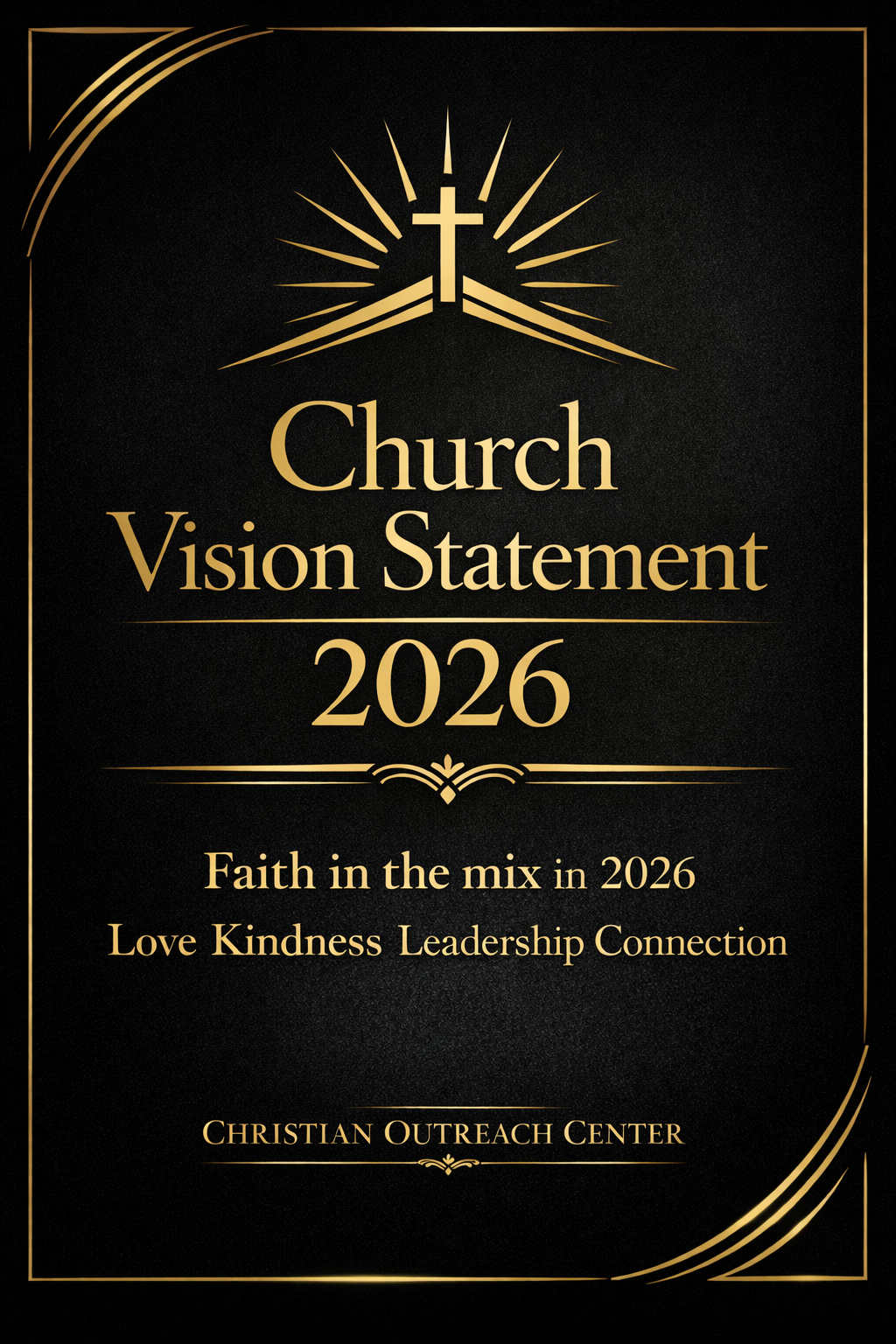
The future of a church is not a distant horizon to be feared—it is a canvas waiting to be painted with bold strokes of purpose, passion, and divine calling. Every outreach campaign is more than a strategy; it is a living testament to a congregation’s heartbeat, a symphony of faith echoing through communities hungry for meaning. When a church casts its vision, it doesn’t just declare a plan—it ignites a movement, a flame that spreads from pews to streets, from hearts to horizons. This is the alchemy of outreach: transforming abstract ideals into tangible hope, where every outreach campaign becomes a brushstroke in the grand mural of God’s redemptive story.
The Lighthouse Principle: Becoming a Beacon in a World of Shadows
Imagine a lighthouse standing sentinel on a storm-lashed coast. Its beam cuts through the fog, piercing the darkness with unwavering resolve. A church’s outreach campaign must function with the same relentless clarity. It is not merely about hosting events or distributing flyers—it is about embodying a presence so vivid that the lost, the weary, and the searching instinctively turn toward its light. This is the lighthouse principle: a church must radiate an unmistakable glow, not to draw attention to itself, but to guide souls safely home.
But how does a congregation become a lighthouse? It begins with intentionality. Every sermon, every service, every outreach initiative must be infused with a singular question: Who is still wandering in the dark? Whether it’s a food drive for the homeless, a grief support group for the broken, or a youth mentorship program for the disillusioned, the outreach must be as visible as the beam of a lighthouse—unignorable, unrelenting, and undeniably transformative. The vision must be so vivid that even the most skeptical passerby cannot help but pause and wonder: What makes them different?
The Ripple Effect: When Small Acts Echo into Eternity
Outreach is not a monolith; it is a mosaic of moments, each one a pebble dropped into the pond of community life. The first ripple may seem insignificant—a single conversation at a coffee shop, a handwritten note slipped into a stranger’s mailbox, a meal shared with a lonely neighbor. Yet, from that tiny disturbance, waves begin to form. A child inspired by a Sunday school teacher might grow into a community leader. A struggling single mother, touched by a church’s food pantry, might one day volunteer to feed others. The vision of a church is not measured in grand gestures alone, but in the quiet, persistent ripples of love that reshape lives over time.
This is the ripple effect—a phenomenon where the smallest acts of kindness, fueled by faith, create currents that reshape entire communities. The challenge for churches is to recognize that outreach is not a sprint, but a marathon of faithful persistence. It demands patience, adaptability, and an unshakable belief that even the most modest efforts are seeds planted in fertile soil, destined to bloom in God’s perfect timing.
The Bridge Builder’s Dilemma: Crossing Divides with Grace and Grit
Every community is a tapestry of diverse threads—cultures, languages, socioeconomic backgrounds, and worldviews stitched together in an intricate, often frayed pattern. A church’s outreach campaign must confront the bridge builder’s dilemma: how to traverse these divides without diluting its message or compromising its values. The answer lies not in assimilation, but in incarnational ministry—the audacious decision to meet people where they are, not where the church wishes they would be.
This means learning the language of the streets as much as the language of the pulpit. It means hosting conversations in barbershops as readily as in sanctuaries. It means partnering with local schools, businesses, and nonprofits not as a superior entity, but as a humble ally in the pursuit of common good. The vision of a church must be expansive enough to embrace the outcast, the skeptic, the seeker, and the stranger—because the gospel was never meant to be confined to the comfortable corners of a Sunday service.
The Fire Starter’s Creed: Igniting Passion in a Lukewarm Age
History’s most transformative movements were not born from lukewarm enthusiasm, but from the white-hot passion of those who refused to let the fire die. A church’s outreach campaign must be fueled by the fire starter’s creed: an unapologetic, contagious zeal for the things that matter. This is not the frenetic energy of a sales pitch, but the slow-burning embers of conviction—passion that refuses to be extinguished by apathy, indifference, or fear.
How does a church stoke such a fire? It begins with leadership that leads by example—pastors and laypeople alike who are willing to roll up their sleeves, get their hands dirty, and step into the messiness of real human need. It means crafting a vision so compelling that it becomes the rallying cry of the congregation. It means celebrating small victories with the same fervor as monumental ones, because every soul reached is a testament to God’s work. The fire starter’s creed is not about hype; it is about holy obsession—a relentless pursuit of the divine mandate to love God and love others, no matter the cost.
The Compass and the Clock: Balancing Vision with Urgency
Vision without urgency is a dream deferred; urgency without vision is a frenzy without direction. The most effective outreach campaigns strike a delicate balance between the two, operating with the precision of a compass and the relentlessness of a clock. The compass represents the church’s unwavering North Star—its core mission, values, and calling. The clock, however, reminds us that time is not infinite. The hungry need to be fed today. The lonely need companionship tonight. The lost need to hear the good news before the opportunity slips away.
This duality demands strategic agility. A church must plan with the end in mind, yet remain nimble enough to adapt when circumstances shift. It means setting long-term goals—like a five-year vision for community transformation—while also seizing immediate opportunities, such as responding to a local crisis with swift, compassionate action. The vision must be both a roadmap and a living document, one that evolves as the community does, always anchored in the unchanging truth of the gospel.
The Echo Chamber of Hope: When the World Listens Back
An outreach campaign is not a monologue; it is a dialogue. The most powerful visions are those that invite the world to respond, to engage, to become part of the story. This is the echo chamber of hope—a space where the church’s message reverberates beyond its walls, sparking conversations, challenging assumptions, and inspiring action in those who hear it. But for the echo to be heard, the message must be clear, authentic, and undeniably compelling.
This requires more than just proclamation; it demands participation. A church must create avenues for people to step into the story—not as spectators, but as co-creators. Whether through volunteer opportunities, mission trips, or community forums, the vision must be something people can touch, feel, and experience firsthand. When the world sees a church that is not just talking about change, but actively living it, the echoes of hope become impossible to ignore.
The Unfinished Masterpiece: Embracing the Journey with Faith
Every great work of art begins with a blank canvas, every symphony with a single note, every movement with a solitary step. The vision of a church is no different—it is an unfinished masterpiece, a divine collaboration between God and His people, unfolding one brushstroke at a time. There will be missteps, delays, and moments of doubt. But the beauty of the journey lies in the trust that the Artist is still at work, weaving every thread of effort, every act of love, every prayer into a tapestry far more glorious than we could ever imagine.
So let the outreach campaigns begin. Let the vision be cast. Let the ripples spread, the bridges be built, the fires be stoked, and the echoes resound. The future is not a destination to be reached, but a story to be lived—one act of faith, one act of love, one soul at a time.

