

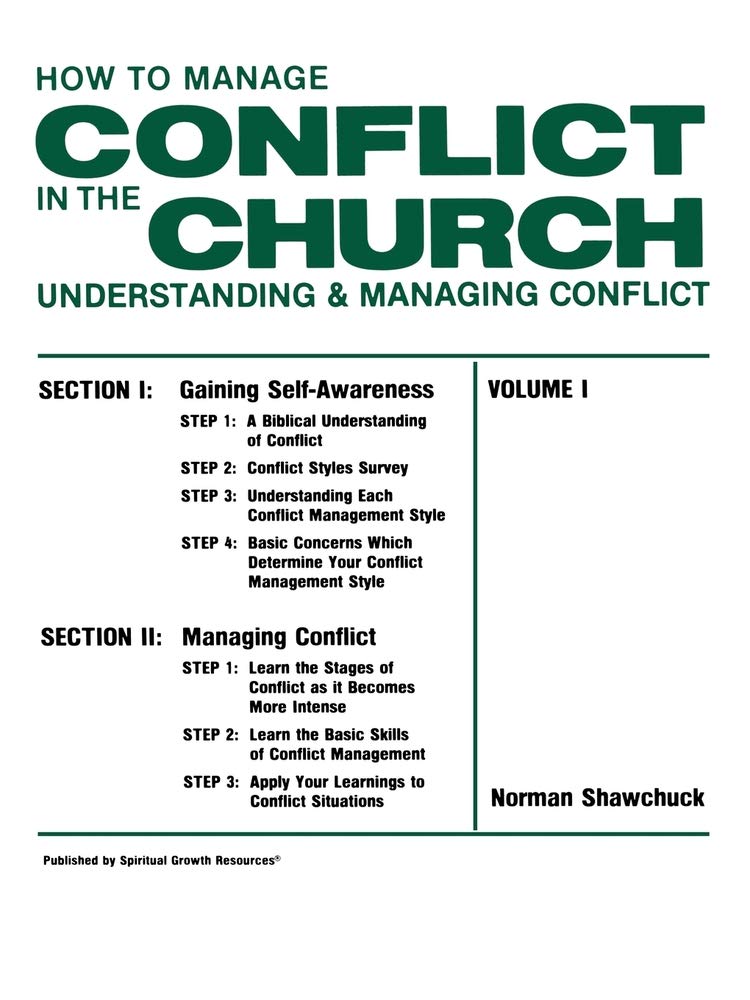
When two faith communities contemplate a merger, the air often crackles with an electrifying mix of hope, fear, and ancient longing—a conflagration of tradition and vision that can either forge a new sanctuary or scatter the faithful into discord. This moment demands more than administrative savvy; it calls for a spiritual metamorphosis, a willingness to reframe conflict as a crucible for sacred innovation.
Understanding the Underlying Currents: Why Mergers Stir Unrest
Church mergers rarely occur in a vacuum. They emerge from demographic erosion, financial strain, or a shared desire to broaden mission reach. Beneath the surface, latent theological dichotomies, historical grievances, and divergent cultural cadences swirl. Recognizing these undercurrents is essential; they are not mere obstacles but the very tides that can be harnessed to propel the merged body forward.
Leaders who ignore the subtle currents risk a tumultuous voyage. By mapping the emotional topography—apprehension, nostalgia, anticipation—one can navigate the merger with empathic precision.
Reframing Conflict as a Catalyst for Sacred Innovation
Conflict is not the antithesis of unity; it is the raw material from which stronger cohesion can be forged. When congregations clash over liturgy, governance, or stewardship, the friction ignites a dialectic that, when tempered with prayerful dialogue, yields fresh exegetical insights.
Consider the metaphor of a crucible: heat separates alloy from slag, leaving a more resilient metal. In a similar vein, church leaders can view disagreements as a purifying process that uncovers deeper commitments and reveals隠された (hidden) purpose.
Mapping the Stakeholder Landscape: Voices, Roles, and Expectations
A successful merger resembles a symphonic ensemble where each instrument must tune to a shared tempo. Identifying stakeholders—pastoral staff, lay leaders, youth groups, community volunteers—helps create a comprehensive scoreboard of expectations.
Stakeholder mapping involves more than listing names; it requires discerning each group’s liturgical preferences, financial contributions, and historical narratives. This cartography allows for targeted communication strategies that honor individual histories while weaving them into a collective tapestry.
Establishing a Covenant of Transparent Dialogue
Transparency is the mortar that binds disparate stones. A formal covenant—a written agreement emphasizing open communication—signals a mutual commitment to honesty, humility, and accountability.
Such a covenant should outline protocols for sharing financial reports, decision‑making processes, and theological discernment. When members perceive that no hidden agendas exist, trust flourishes, and resistance dissipates.
Facilitating Structured Mediation: Techniques and Spiritual Anchors
Mediation in a church setting is both a strategic maneuver and a spiritual discipline. Employing a neutral facilitator—perhaps a seasoned elder or an external mediator—ensures that conversations remain constructive.
Techniques such as active listening, reframing, and “I” statements can defuse volatile moments. Grounding these practices in prayerful reflection reminds participants that the ultimate arbiter is the Divine, not human ego.
Negotiating Vision Alignment: Creating a Shared Narrative
Every congregation possesses a unique narrative thread that defines its identity. Merging these threads requires a process of narrative weaving—a collaborative drafting of a vision statement that captures the amalgamated mission.
The shared narrative should articulate a compelling future state, embed core values, and propose tangible goals. By inviting input from diverse groups, the final document becomes a living charter that guides decisions and rekindles collective purpose.
Navigating Cultural Integration: Syncretism, Tradition, and Renewal
Cultural integration is perhaps the most delicate dance in a merger. Syncretism—the blending of differing worship styles, music, and customs—can either enrich the community or fragment it if handled clumsily.
A strategic approach involves celebrating each tradition’s highlights while introducing incremental changes. For instance, alternating liturgical languages or incorporating new music alongside classic hymns creates a hybrid reverence that honors the past while embracing renewal.
Managing Legal and Financial Dimensions: Prudence, Stewardship, and Accountability
Behind the spiritual aspirations lies a pragmatic reality: legalities

