

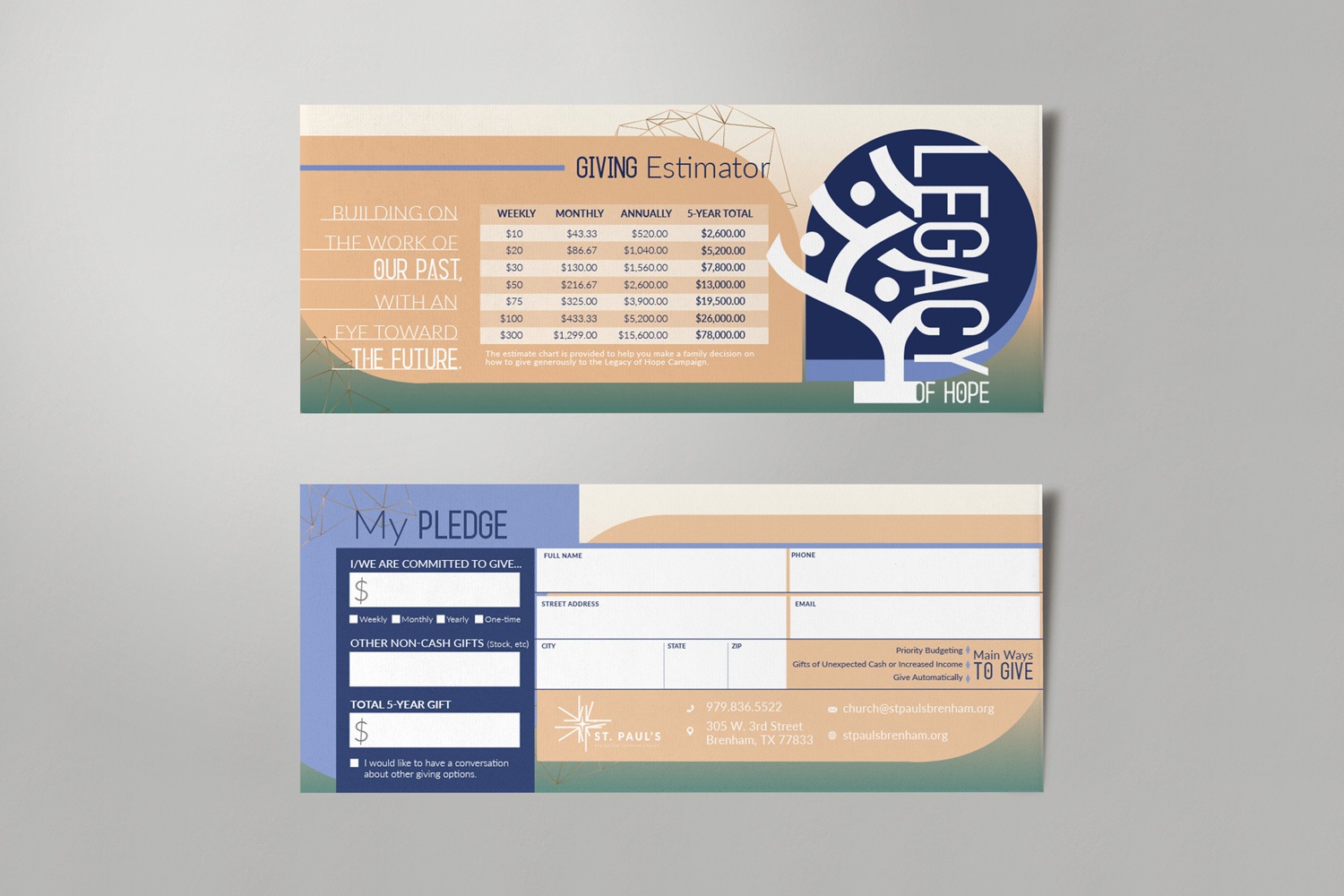
There’s a moment in every congregation’s journey when the weight of debt becomes more than a ledger entry—it becomes a shadow over the pews, a quiet hum in the sanctuary. But what if that debt wasn’t just a burden to carry, but a threshold to cross? A church debt campaign isn’t merely about numbers; it’s about recalibrating faith, unity, and purpose. It’s about turning a season of sacrifice into a symphony of shared vision. And when celebrated with intention, it can transform a financial milestone into a spiritual awakening. Here’s how to do it right.
The Prelude: Reimagining Debt as a Catalyst, Not a Curse
Debt is often framed as a shackle, but what if we saw it as a crucible? A church debt campaign isn’t about erasing obligations—it’s about forging a new narrative. The first step is to reframe the conversation. Instead of dwelling on what the church owes, focus on what the campaign can unleash: a sanctuary revitalized, ministries expanded, and a community fortified. This isn’t just fiscal housekeeping; it’s an act of defiance against stagnation. When congregants grasp that their contributions aren’t plugging holes but igniting possibilities, the campaign shifts from obligation to opportunity. The key is to paint the debt not as a millstone, but as the first stone in a new foundation.
Crafting the Vision: A Beacon That Burns Brighter Than the Ledger
A campaign’s success hinges on its story. Numbers alone won’t move hearts; a vision will. But not just any vision—a vivid, almost cinematic one. Describe the sanctuary’s stained glass bathed in golden morning light after a renovation. Envision the laughter of children in a newly built youth center. Hear the choir’s harmonies echoing in a space acoustically perfected. This isn’t hyperbole; it’s sacred storytelling. The most compelling campaigns don’t just ask for money—they invite people into a shared dream. Use testimonials, sketches, or even virtual renderings to make the future tangible. When people can *see* what their gifts will build, the campaign stops being about debt and starts being about destiny.
The Rhythm of Engagement: From Pews to Participation
Celebration isn’t a single event—it’s a cadence. A church debt campaign should pulse with moments of connection, not just collection. Kick off with a “Vision Sunday,” where the pastor doesn’t preach a sermon but *unveils* a vision. Follow with small group gatherings where members discuss not just the “how” of giving but the “why.” Introduce a “Pledge Party” where families share their commitments over coffee and cake, turning financial promises into communal celebrations. And don’t forget the digital touchpoints: a campaign microsite with real-time progress bars, donor spotlights, and even a “Wall of Hope” where congregants post notes about what the campaign means to them. The goal? To make generosity feel less like a transaction and more like a chorus.
Breaking the Silence: The Power of Transparent Testimony
Money in the church can be a taboo topic, but silence breeds suspicion. The antidote? Radical transparency. Share not just the campaign’s goals, but its challenges. Acknowledge the fear of “another building fund” that never ends. Celebrate the small wins—the first $10,000 raised, the volunteer who organized the pledge party. When leaders speak openly about the campaign’s progress and pitfalls, it disarms cynicism and fosters trust. Consider inviting a financial advisor from the congregation to explain the debt’s terms in plain language. Or host a “Debt Deep Dive” Q&A where no question is off-limits. The more people understand, the more they’ll engage—not out of guilt, but out of conviction.
The Crescendo: Milestones That Feel Like Miracles
A campaign’s heartbeat is its milestones. But not just any milestones—*meaningful* ones. Celebrate the 25% mark with a “Quarter Celebration” where the congregation gathers for a potluck and a slideshow of the vision’s progress. Hit 50%? Host a “Halfway Home” concert featuring local musicians, with proceeds going toward the debt. Reach the finish line? Throw a “Debt-Free Jubilee” with a community feast, fireworks, and a sermon series on freedom. These aren’t just parties; they’re rituals that etch the campaign’s significance into the church’s memory. Each milestone should feel like a collective exhale—a reminder that this isn’t just about money, but about a community stepping into its future together.
Beyond the Campaign: The Legacy of a Shared Sacrifice
The true celebration of a debt campaign isn’t the final tally—it’s what comes after. A church that emerges debt-free doesn’t just have cleaner books; it has a renewed sense of identity. The campaign’s lessons—about generosity, unity, and stewardship—shouldn’t vanish once the last check is cashed. Weave them into the church’s DNA. Launch a “Legacy Giving” initiative to honor those who contributed. Create a “Campaign Alumni” group to keep the spirit alive. And most importantly, use the debt’s absence as a springboard. With the financial shackles gone, the church can now sprint toward new horizons—whether that’s global missions, local outreach, or simply breathing easier. The campaign’s end isn’t a period; it’s an ellipsis, inviting the next chapter to begin.
The Unseen Victory: A Church Transformed
At its core, a debt campaign is a spiritual exercise. It asks people to trust—not just in the church’s leadership, but in each other. It demands faith in a future that hasn’t arrived yet. And when celebrated with intention, it leaves behind more than a paid-off loan. It leaves behind a congregation that remembers what it means to move mountains together. The debt was never the enemy. The enemy was the doubt that whispered, “This is too much.” The victory isn’t in the numbers; it’s in the shift—the moment the church realizes that its greatest asset wasn’t its building, but its people. And that’s a debt no ledger could ever capture.

