

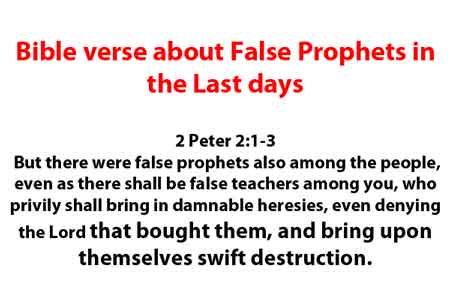
In the expansive tapestry of scripture, the motif of false prophets looms large, a cautionary tale woven into the very fabric of spiritual guidance. Like the sirens of ancient mythology, they lure the faithful with dulcet tones, cloaked in sincerity, yet their true intent is shrouded in deception. This exploration uncovers what the Bible elucidates about such individuals, illuminating the shadows they cast and the true north of discernment that the faithful must navigate.
To embark on this journey, we delve into the biblical texts that serve as both a warning and a clarion call. The Gospel of Matthew serves as an initial waypoint, where Jesus himself gazed into the horizon of future generations, declaring, “Beware of false prophets, who come to you in sheep’s clothing but inwardly are ravenous wolves” (Matthew 7:15). This stark imagery invites contemplation; it posits that false prophets often masquerade as benign figures, seamlessly integrating into the flock, while harboring predatory ambitions.
Furthermore, the book of Ezekiel compels us to consider the nature of such falsehood. In Ezekiel 13:10, the prophet laments, “Because, even because they have seduced my people, saying, Peace; and there was no peace; and one built up a wall, and, lo, others daubed it with untempered mortar.” This passage unveils another layer of peril; false prophets not only deceive with sweet words but also instigate an illusion of security. They weave a deceptive narrative that can crumble under scrutiny, exposing the frailty of untested faith.
Throughout the annals of scripture, the characterization of false prophets evolves, embodying various guises. In Deuteronomy 13:1-3, it is articulated that even if a prophet performs signs or wonders, the ultimate test lies in their adherence to the covenant—a potent reminder that miracles are not the sole indicator of divine authority. This nuance encourages a discerning spirit, fostering the understanding that the veracity of a prophet is inextricably linked to their alignment with the divine will as reflected in the sacred texts.
Transitioning from ancient scripture to modern reflections, one must acknowledge that the plights of yore resonate profoundly in contemporary settings. The advent of digital platforms has given rise to a proliferation of voices claiming spiritual authority. This democratization of prophecy, while empowering, also lays the groundwork for a cacophony of misleading doctrines. The Apostle Paul reinforces the necessity of vigilance in his epistle to the Galatians: “But though we, or an angel from heaven, preach any other gospel unto you than that which we have preached unto you, let him be accursed” (Galatians 1:8). Herein lies a clarion call for unwavering fidelity to scriptural truths, amidst a culture rife with competing ideologies.
Despite the dire warnings, an alluring force exists within the narrative of false prophets—a paradoxical intrigue that speaks to the human condition. Many are drawn to figures who promise enlightenment and prosperity. This inherent attraction underscores an existential yearning for answers, belonging, and affirmation. The Bible, discerning this human predisposition, warns that such allurements can corrode the core of one’s faith, leading the unsuspecting astray like a ship adrift in a tempest.
In the quest for truth, the faithful are entrusted with a profound responsibility—discernment. The psalmist articulates this divine wisdom, declaring, “Thy word is a lamp unto my feet and a light unto my path” (Psalm 119:105). Scriptural engagement becomes an imperative; through diligent study and reflection, individuals are equipped to identify the discordant notes within the symphony of spirituality that often emanates from false prophets.
Moreover, the communal aspect of faith cannot be understated in the discernment process. The early church embodied this principle, as seen in Acts 17:11, where the Bereans earnestly examined the scriptures to validate teachings. Collaborative inquiry fosters a culture of accountability, wherein the body of believers aids in sifting through the chaff to uncover the wheat of truth. This shared vigilance cultivates resilience against the machinations of those who would seek to exploit the unwary.
Yet the dangers persist, casting a long shadow over the landscape of spirituality. Temptations masked in the guise of miracle, prophecy, or prosperity can entrap the unwary. The call to recognize the fruits of one’s character and teachings emerges as a recurring theme throughout scripture. As stated in Matthew 7:16, “Ye shall know them by their fruits.” This aphorism encapsulates the essence of discernment—an invitation to evaluate the actions and outcomes of spiritual leaders in pursuit of genuine authenticity.
Ultimately, the biblical narrative surrounding false prophets serves as a timeless reminder of the complexities intertwined within human faith. It urges vigilance while simultaneously instilling hope that discernment is not solely a solitary endeavor, but a collective journey anchored in scripture, community, and prayer. For in the endeavor to unravel deception, the promise of divine truth shines ever brighter, guiding the faithful along the narrow path toward genuine understanding and spiritual fulfillment.

