

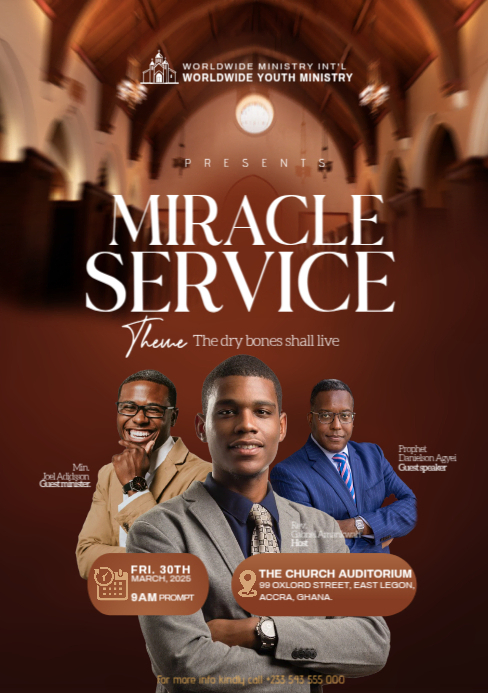
In the quiet hum of pews and the flicker of candlelight, there exists a phenomenon that transcends the ordinary—a church miracles campaign. It’s not merely a series of events; it’s a symphony of faith, hope, and divine intervention, where the supernatural intersects with the everyday. But why do these campaigns captivate us so deeply? Perhaps because they remind us that the extraordinary is never far from the ordinary, that miracles are not relics of the past but living, breathing testimonies of a God who still moves in mysterious ways.
The Power of Collective Faith: Why Miracles Campaigns Resonate
There’s an undeniable electricity in the air when a congregation gathers with one purpose: to witness the miraculous. Miracles campaigns aren’t just about individual testimonies; they’re about the alchemy of shared belief. When hundreds, even thousands, lift their voices in prayer, something shifts. The skepticism that often clouds our perception of the divine begins to dissipate, replaced by a palpable sense of expectancy. This isn’t mere superstition—it’s the recognition that faith, when amplified by community, becomes a force unlike any other.
Consider the story of a small-town church that saw a sudden surge in healings after launching a week-long campaign. The skeptics scoffed, but the believers persisted. And then, the unexplainable happened. Not all at once, but in fragments—testimonies trickled in like whispers of a greater truth. A woman with chronic pain found relief. A man with a broken spirit felt restoration. These weren’t coincidences; they were echoes of a divine promise: “Where two or three gather in my name, there am I with them” (Matthew 18:20). The deeper reason for our fascination? We crave proof that we’re not alone in our struggles, that there’s a power greater than our pain.
Designing the Campaign: More Than Posters and Flyers
A miracles campaign begins long before the first service. It starts with intention—crafting an experience that feels less like a program and more like a pilgrimage. The design of the campaign isn’t just about aesthetics; it’s about creating an atmosphere where the sacred feels tangible. A well-designed poster isn’t just a piece of paper; it’s an invitation to believe. It should whisper of hope, not shout of obligation. The colors, the imagery, the typography—all of it should evoke a sense of reverence and anticipation.
But design extends beyond the visual. It’s in the choice of music that stirs the soul, the sermons that challenge yet comfort, and the moments of silence that invite reflection. A miracles campaign should feel like a journey—one that begins with doubt and ends in awe. Think of it as a spiritual architecture: every element, from the welcome at the door to the benediction at the end, is a brick in the foundation of faith. The deeper reason we’re drawn to this? We’re wired to seek meaning, and a well-crafted campaign offers a roadmap to it.
The Role of Testimonies: From Personal to Universal
There’s a raw, unfiltered power in hearing someone say, “I was healed.” Testimonies are the heartbeat of a miracles campaign, turning abstract faith into lived experience. But not all testimonies are created equal. The most compelling ones aren’t just stories of healing; they’re narratives of transformation. They speak of the before—the brokenness, the despair—and the after—the restoration, the joy. They bridge the gap between the miraculous and the mundane, showing that miracles aren’t just for the “holy few” but for anyone willing to believe.
Yet, there’s a delicate balance here. Sharing testimonies isn’t about spectacle; it’s about authenticity. A miracle isn’t diminished by skepticism—it’s magnified by it. When someone stands and says, “I don’t fully understand it, but I know it happened,” the impact is profound. It invites the audience into a space of humility, where doubt and faith coexist. The deeper reason we’re captivated? We’re all searching for something real, something that transcends our doubts. Testimonies offer that—proof that the divine is not a distant concept but a present reality.
Engaging the Community: Beyond the Church Walls
A miracles campaign shouldn’t be confined to the sanctuary. The most transformative campaigns spill into the streets, the homes, the workplaces of the community. It’s about taking the message of hope beyond the pews and into the places where people are hurting. This could mean hosting healing prayer sessions in local parks, partnering with community centers, or even leveraging social media to share stories of miracles in real time. The goal isn’t just to fill seats; it’s to plant seeds of faith where they’re most needed.
But engagement isn’t just about outreach—it’s about invitation. Every person who walks through the doors should feel seen, valued, and welcomed. This means training volunteers to greet with warmth, ensuring the space is accessible, and creating opportunities for people to connect beyond the service. A miracles campaign isn’t a one-time event; it’s the beginning of a relationship. The deeper reason we’re drawn to this? We’re social creatures, and faith is meant to be lived in community. When a campaign extends beyond the church, it becomes a beacon of hope for those who’ve felt forgotten.
The Role of Prayer: The Invisible Force
No miracles campaign is complete without the unseen yet most powerful element: prayer. Prayer isn’t just a ritual; it’s the lifeblood of the campaign. It’s the quiet force that undergirds every sermon, every testimony, every act of service. But prayer in this context isn’t passive—it’s active, strategic, and intentional. It’s about praying not just for miracles but with a expectancy that they will come. It’s about fasting, interceding, and believing that God is at work even when the results aren’t immediate.
The deeper reason prayer is so central? It reminds us that we’re not in control. In a world that values self-reliance, prayer is an act of surrender—a declaration that we trust in a power greater than ourselves. When a congregation prays together, something supernatural happens. The air thickens with faith. The impossible feels possible. And in that moment, the campaign transcends its own structure, becoming a vessel for the divine. The fascination with miracles isn’t just about the supernatural; it’s about the humility to admit that we need it.
Sustaining the Momentum: From Campaign to Lifestyle
The true test of a miracles campaign isn’t the number of people who attend or the testimonies shared—it’s what happens after the final amen. The most impactful campaigns don’t end with a whimper; they ignite a movement. This means equipping people to carry the fire of faith into their daily lives. It could be through small groups where people continue to pray for miracles, or it could be through mentorship programs that walk alongside those who’ve experienced breakthrough. The goal isn’t just to have a powerful week; it’s to cultivate a culture of expectancy.
The deeper reason this matters? Miracles aren’t meant to be isolated events. They’re meant to be the norm. When a campaign ends, the work of faith continues. It’s in the quiet moments of prayer at home, the unexpected kindness of a stranger, the sudden healing that defies medical explanation. The fascination with miracles isn’t just about the spectacle; it’s about the realization that the divine is always at work, even in the ordinary. And that’s a truth worth celebrating.

