

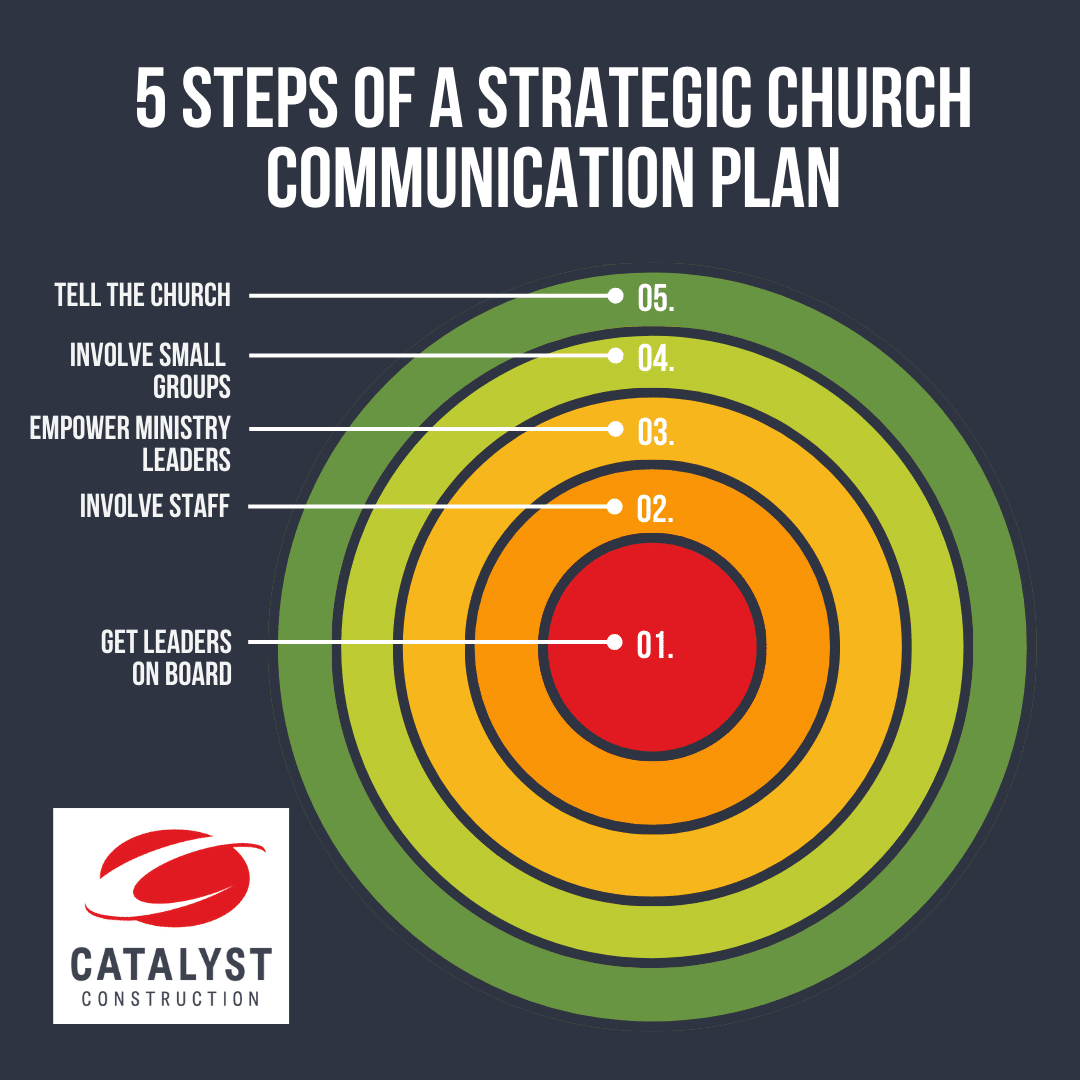
When a congregation hears a familiar melody, the notes travel through air, vibrate strings of memory, and bind people together in ways that simple spoken words rarely achieve. This is the pulse of church communication—a living conduit that shapes identity, fuels mission, and invites every heart into a shared story. Developing a robust communication plan is not merely drafting announcements; it is architecting an ecosystem where messages ripple outward, resonant with purpose and curiosity.
Reconceptualizing the Communicative Ecosystem
Modern churches often treat communication as a one‑way broadcast, a static bulletin board that merely transmits information. A more vibrant approach reimagines it as a symbiotic network—a communicative ecology where every member both receives and generates meaning. By viewing communication through the lens of relational dynamics, leaders can identify how messages flow through informal pathways, how informal storytelling complements formal liturgy, and how the invisible threads of trust amplify impact. This shift in perspective invites a curiosity about the underlying rhythms that govern perception and belonging.
Mapping Audience Archetypes
Understanding who listens—and why they listen—turns generic announcements into resonant conversations. Audience archetypes, such as the “seasoned disciple,” the “seeker on the periphery,” and the “digital nomad,” each possess distinct informational cravings and engagement thresholds. By constructing personas that capture lifestyle patterns, preferred channels, and spiritual curiosities, communicators can tailor language, tone, and delivery. For example, a seasoned disciple may appreciate reflective narratives laced with scriptural allusion, while a digital nomad might crave succinct, mobile‑friendly visuals. Mapping these archetypes uncovers hidden opportunities to spark curiosity and deepen involvement.
Crafting Core Messages with Narrative Scaffolding
Every effective communication plan hinges on a few compelling core messages that can be adapted across mediums. These messages should be built on narrative scaffolding—a framework that supports story arcs, emotional triggers, and actionable takeaways. Begin with a bold, almost paradoxical hook that challenges conventional expectations, then weave in the church’s mission, values, and specific call to action. Using uncommon terminology—like “synaptic resonance” to describe how ideas trigger emotional responses—adds a fresh flavor that intrigues listeners. The goal is to ensure that each iteration feels both novel and deeply familiar, prompting the audience to lean in rather than tune out.
Designing Rhythms and Channels for Amplified Reach
Communication is not a static event but a cadence; the rhythm at which messages are delivered can amplify or diminish their impact. Establish a liturgical calendar that aligns key announcements with seasonal milestones, using an intentional cadence that mirrors the worship experience. Simultaneously, diversify channels to match audience archetypes: a weekly podcast may suit the “digital nomad,” while a printed worship guide serves the “seasoned disciple.” Incorporate interactive platforms—such as live‑streamed Q&A sessions or community forums—to transform passive reception into active dialogue. By designing these rhythms thoughtfully, the church becomes a hub of ongoing conversation rather than a sporadic dispatch.
Evaluating, Iterating, and Igniting Continuous Curiosity
No plan is complete without a feedback loop that nurtures perpetual improvement. Establish metrics that go beyond mere attendance numbers—track engagement depth, sentiment analysis from social media interactions, and qualitative stories of transformation. Conduct periodic “communicative audits,” examining whether messages still spark curiosity, whether channels remain effective, and whether the narrative scaffolding remains intact. Adjust language, shift channels, or reframe core messages based on these insights, ensuring the communication plan evolves in tandem with the congregation’s lived experience. This iterative mindset keeps the community on the cusp of discovery, always eager to see how the next story unfolds.

