

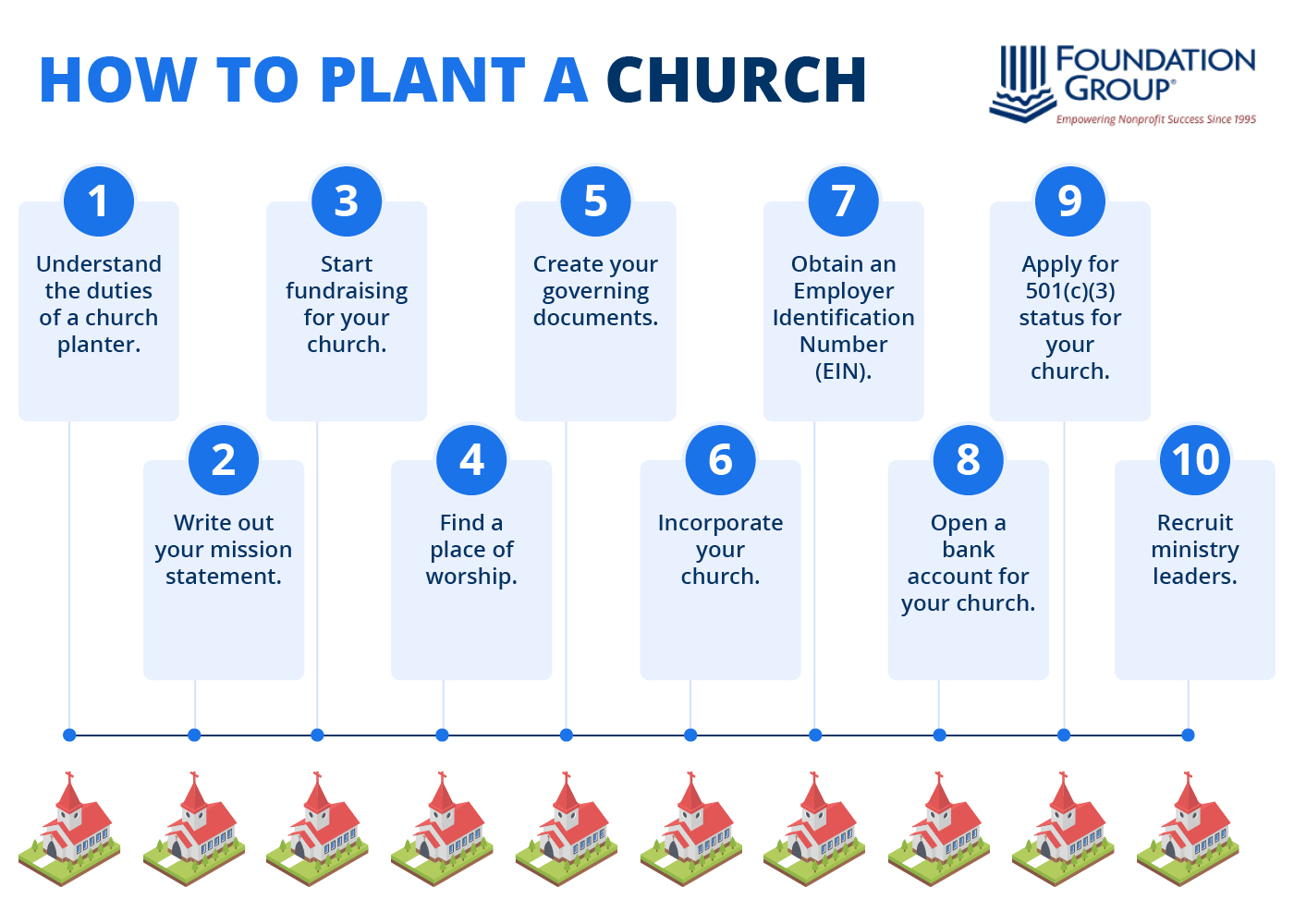
When a new congregation awakens with a vision to share hope, the question that often looms largest is not whether the gospel will resonate, but how the fledgling ministry will secure the resources to flourish. Funding a church plant is more than a financial exercise—it is a covenant of trust, a narrative of faith that intertwines prayer, generosity, and strategic planning into a living story of God’s provision.
Articulating the Sacred Vision
Every compelling funding strategy begins with a clear, passionate articulation of the church’s purpose. The vision must capture not only the mission field but also the deeper fascination that drives believers to sacrifice. By framing the plant as a sacred venture—a spiritual enterprise that answers a communal longing for belonging—founders invite supporters to invest emotionally and spiritually, turning abstract belief into tangible commitment.
Constructing a Monetary Narrative
Storytelling is the currency of fundraising. A well‑crafted monetary narrative weaves personal testimonies, historical precedents, and prophetic insights into a tapestry that resonates with both heart and mind. When the story highlights the transformative power of community, the act of giving becomes a participation in a larger divine drama, elevating ordinary gifts to acts of worship.
Mapping Diversified Revenue Channels
Relying on a single stream is akin to planting a garden without varying the soil. A robust funding plan cultivates multiple sources: personal tithes and offerings, planned giving, targeted fundraising events, grants from religious foundations, and social‑enterprise initiatives that align with the church’s values. Diversification cushions the community against seasonal fluctuations and fuels sustained growth.
Budgeting as a Spiritual Discipline
Budgeting is not merely a ledger exercise; it is a discipline of stewardship that reflects the church’s priorities. A detailed budget maps out anticipated expenses—facility lease, staffing, outreach materials, technology—while earmarking a reserve for contingencies. This fiscal map becomes a prayerful guide, ensuring that every dollar advances the mission without compromising integrity.
Community Engagement and Relational Capital
The local ecosystem is a reservoir of untapped generosity. By establishing genuine relationships with neighboring businesses, civic organizations, and other faith communities, church planters unlock relational capital that often translates into financial support. Volunteer hours, in‑kind donations, and collaborative projects demonstrate a commitment to serving the broader community, which in turn encourages reciprocal giving.
Leveraging Digital Alchemy
In the contemporary landscape, digital platforms act as alchemical crucibles that transmute virtual interest into real‑world resources. Online giving portals, crowdfunding campaigns, and social media storytelling amplify the church’s narrative beyond geographical boundaries. Targeted email newsletters and live‑streamed worship experiences create a sense of inclusion, inviting distant supporters to become integral parts of the planting journey.
Forming a Funding Leadership Team
A dedicated team of financial stewards—often called a “fiscal council” or “treasury of faith”—provides the expertise needed to navigate complex funding landscapes. This council oversees grant applications, manages donor relations, and ensures transparency. By distributing responsibilities, the team cultivates accountability and prevents burnout, allowing the pastoral leadership to focus on spiritual guidance.
Grant Writing and Institutional Backing
Many religious and community foundations offer grants specifically designed for church plants. Crafting persuasive grant proposals

