

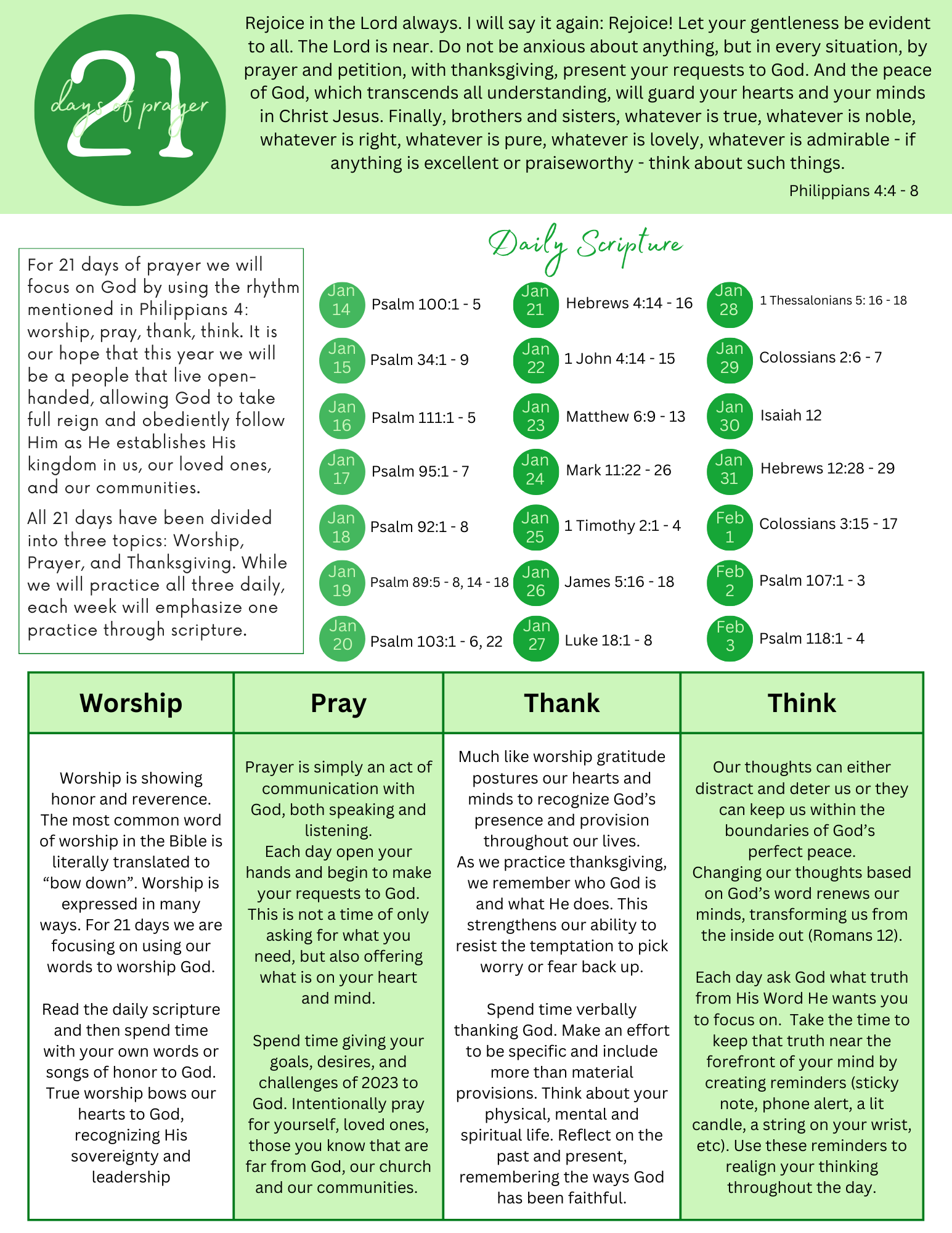
In the quiet hum of pews and the flicker of candlelight, a sacred rhythm stirs—not just in the pulsing heart of faith, but in the deliberate pause of fasting. It’s a practice as old as scripture itself, yet often misunderstood in modern congregations. Many churches embark on fasting with noble intentions, only to find the experience fragmented, superficial, or devoid of the transformative power they seek. Why does this happen? And more importantly, how can pastors and spiritual leaders guide their flocks through a fast that transcends ritual and becomes a pilgrimage of the soul?
The Paradox of Fasting: Why We Fast and Why It Fails
Fasting is not merely abstaining from food—it is a deliberate withdrawal from the familiar to encounter the divine. Yet, too often, it becomes a checkbox on a spiritual to-do list. Congregations fast, but their hearts remain tethered to the noise of daily life. The deeper reason for this disconnect lies in the misconception that fasting is about deprivation rather than devotion. When we reduce it to austerity, we strip away its essence: a sacred dialogue between the believer and God. To guide a church through a fast, leaders must first recalibrate the collective understanding—fasting is not about what we give up, but about what we open ourselves to receive.
Preparing the Soil: Cultivating a Culture of Intentionality
Before the fast begins, the ground must be tilled. This means more than announcing a 21-day challenge or a Wednesday evening prayer vigil. It requires a season of preparation—teaching on the biblical foundations of fasting, sharing testimonies of its transformative power, and inviting the congregation to reflect on their own spiritual hunger. Pastors must articulate not just the “how” but the “why.” Why fast? To realign priorities, to intercede for revival, to cultivate sensitivity to the Holy Spirit. Without this intentional groundwork, the fast becomes a hollow exercise, a fleeting trend rather than a transformative journey.
Consider the words of the prophet Joel: “Yet even now,” declares the Lord, “return to me with all your heart, with fasting, with weeping, and with mourning.” (Joel 2:12). The call is not to perform but to return—to a posture of humility, repentance, and surrender. Leaders must frame the fast not as a duty, but as an invitation to a deeper communion with God. This shift in perspective transforms the experience from obligation to opportunity.
Designing the Journey: Structure Without Stiffness
A well-guided fast balances structure with flexibility. Rigidity breeds resentment; chaos breeds confusion. The key lies in creating a rhythm that is both disciplined and adaptable. For instance, a church might designate specific days for corporate fasting, while allowing individuals to personalize their approach on other days. Meal times can become moments of reflection, with guided prayers or scripture readings replacing casual conversation. The goal is not uniformity, but unity—a shared pursuit of God’s presence, even if the paths differ.
Incorporate elements that engage the senses: the scent of incense, the flicker of candlelight, the silence of unspoken prayers. These tactile and visual cues anchor the fast in the tangible, preventing it from becoming an abstract concept. Additionally, provide resources—devotionals, worship playlists, or journal prompts—to help congregants process their experiences. A fast without reflection is like a ship without a rudder; it drifts aimlessly, never reaching its intended destination.
Navigating the Shadows: Addressing the Unspoken Struggles
Fasting is not a spiritual spa day. It exposes the raw edges of the soul—the doubts, the distractions, the unmet longings. Leaders must acknowledge this reality upfront. Share stories of biblical figures who wrestled with God during their fasts—Moses on the mountain, Jesus in the wilderness, Paul in Arabia. These narratives remind the congregation that struggle is not a sign of failure, but a part of the journey. Encourage transparency: create small groups or prayer partners where people can voice their challenges without judgment. The fast is not about perfection, but about pressing into God despite the discomfort.
Moreover, address the practical hurdles. Hunger pangs are the least of it. For some, fasting triggers emotional or psychological responses—irritability, fatigue, or even past traumas resurfacing. Pastors should be prepared to offer pastoral care, not just spiritual platitudes. A fast that ignores the whole person is a fast that falls short of its purpose.
The Corporate Catalyst: Why We Fast Together
There is a mystique to collective fasting—the way hearts synchronize in prayer, the way burdens feel lighter when shared. Corporate fasting amplifies individual devotion, creating a synergy that transcends personal limitations. When a congregation fasts together, the atmosphere shifts. The Holy Spirit moves in ways that are palpable, even if unseen. Leaders can harness this power by orchestrating times of corporate prayer, testimonies, or even extended worship sessions. The shared experience fosters unity, accountability, and a sense of divine momentum.
Yet, corporate fasting must be intentional. Avoid turning it into a spectacle. The goal is not to impress with numbers or fervor, but to create space for God to work. A church that fasts together does not do so to prove its piety, but to position itself to receive God’s promises.
Emerging from the Fast: The Art of Transition
The fast does not end when the final day arrives. In many ways, the transition back to “normal” life is where the true test begins. Leaders must guide the congregation in processing what they’ve experienced. Host debrief sessions where people can share insights, breakthroughs, or even unmet expectations. Encourage them to carry the lessons of the fast into their daily lives—not as a temporary high, but as a sustained posture of dependence on God.
Moreover, help them identify tangible ways to integrate fasting into their spiritual rhythms. Perhaps it becomes a monthly practice, or a season of intentional seeking. The goal is not to return to the status quo, but to emerge transformed—more attuned to God’s voice, more sensitive to His leading, more alive in their faith.
Conclusion: A Fast That Transforms, Not Just Temporarily
A guided fast is more than a spiritual exercise; it is a sacred pilgrimage. When led with intentionality, it becomes a catalyst for revival—not just in the church, but in the hearts of its people. The key lies not in the mechanics of the fast, but in the posture of the heart. Will it be a season of mere abstinence, or a journey of divine encounter? The difference is found in the guidance, the preparation, and the unwavering commitment to seek God above all else.

