

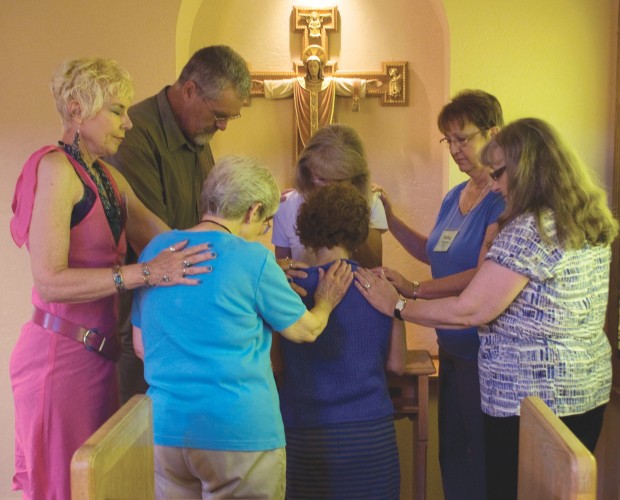
In the quietude of a sanctuary, where stained glass filters the morning light into prismatic hues, the heartbeat of a congregation is more than a metaphor—it is a living pulse. A church healing campaign is not merely an event; it is a transformative journey where faith meets action, and the pews become a launchpad for divine encounters. To involve the congregation fully, the campaign must transcend the pulpit, weaving itself into the fabric of everyday life. This is where storytelling becomes sacred, where testimonies ignite embers of hope, and where every member—from the youngest to the eldest—finds their voice in the chorus of renewal.
The Power of Narrative: Crafting Testimonies That Stir the Soul
Stories are the lifeblood of a healing campaign. They are not mere anecdotes but sacred chronicles of transformation, where brokenness meets restoration. Begin by inviting congregants to share their journeys—those moments of despair that gave way to dawn, the prayers whispered in the night that echoed back as answered supplications. These narratives should be raw, unfiltered, and steeped in authenticity. Record them as video vignettes, transcribe them into printed booklets, or feature them in a dedicated podcast series. Each format breathes new life into the story, allowing it to resonate across generations and demographics. The key is to present these testimonies not as exceptions but as proof that healing is not a distant miracle—it is an ongoing reality.
Interactive Workshops: Where Healing Meets Hands-On Faith
Healing is not a spectator sport. It demands participation, a willingness to step into the arena where faith and action collide. Host interactive workshops that blend scripture with practical exercises—prayer walks through the church grounds, guided meditations on scriptural promises, or even art therapy sessions where congregants paint their prayers. These workshops should cater to diverse needs: some may crave the solace of silence, while others thrive in communal lament. Consider themed sessions—one focused on emotional healing, another on physical restoration, and yet another on spiritual renewal. The goal is to create a mosaic of experiences where every attendee leaves with a tangible step toward wholeness.
For the skeptics and the curious, offer “Healing 101” seminars that demystify the process. Break down biblical accounts of healing with historical context, explore the science behind the placebo effect (a divine irony, isn’t it?), and discuss how faith communities have historically been hubs of holistic wellness. Knowledge disarms fear, and when congregants understand the biblical and practical foundations of healing, they are more likely to engage wholeheartedly.
The Role of Art: Visual and Musical Expressions of Restoration
Art is the language of the soul, a universal dialect that transcends words. Commission local artists to create murals depicting scenes of healing from scripture—Jesus healing the blind, the woman with the issue of blood touching His garment, the paralytic lowered through the roof. These murals can adorn the church walls, serving as daily reminders of God’s power. Alternatively, host a “Healing Hymns” night where congregants submit original songs or poems centered on themes of restoration. A choir of voices, each carrying a unique melody, can harmonize into a symphony of faith that stirs the spirit.
For those who find solace in the written word, launch a “Pen to Healing” campaign. Provide journals or digital platforms where congregants can pen their prayers, struggles, and victories. These entries can be compiled into an anthology, a living testament to the community’s journey. The act of writing itself is cathartic; it transforms pain into purpose.
Community Outreach: Extending Healing Beyond the Sanctuary
A church’s healing campaign must ripple outward, touching the lives of those who may never step inside its doors. Organize volunteer teams to visit hospitals, nursing homes, and rehabilitation centers, offering prayer, companionship, and practical assistance. Partner with local shelters to provide hygiene kits or meals, infusing each act with prayer and intentionality. These outreach efforts are not just service projects; they are declarations that healing is not confined to four walls—it is a mandate for the faithful to carry into the world.
For the tech-savvy, leverage social media to amplify the campaign’s reach. Create a hashtag—#SanctuaryOfHealing—and encourage congregants to share their stories online. Host live prayer sessions on Facebook or Instagram, where viewers can submit prayer requests in real time. A digital community can become a virtual sanctuary, a place where healing transcends geography.
Small Groups: The Intimacy of Shared Burdens
Healing flourishes in the soil of relationships. Small groups, whether themed around life stages or specific needs, provide a safe space for vulnerability. A group for single mothers navigating emotional wounds, a men’s fellowship focused on breaking generational curses, or a youth group exploring identity and purpose—each gathering becomes a microcosm of the larger church, where healing is not just preached but practiced. These groups should be facilitated by trained leaders who can guide discussions with grace and wisdom, ensuring that every voice is heard and every heart is tended to.
Incorporate structured activities like “Healing Circles,” where members take turns sharing their burdens and receiving prayer. The act of speaking aloud what has been buried in silence is itself a form of liberation. Pair this with accountability partners who check in on each other’s progress, fostering a culture of mutual support.
Celebration and Commemoration: Marking Milestones of Healing
Healing is a journey with milestones—some small, some monumental. Celebrate these moments with intentionality. Host a “Night of Remembrance” where congregants share how far they’ve come, accompanied by worship and communion. Create a “Wall of Healing” in the church foyer, where attendees can pin notes of gratitude or breakthroughs. For those who have experienced miraculous healings, consider a special service where they share their stories publicly, giving glory to God and inspiring others.
Commemorate the campaign’s conclusion with a “Feast of Restoration,” a potluck where dishes are named after different healing themes—”Bread of Life,” “Living Water Smoothie,” “Oil of Joy Salad.” The meal itself becomes a metaphor for the nourishment found in Christ, a tangible reminder that healing is not just an event but a way of life.
Sustaining the Momentum: From Campaign to Culture
The true test of a healing campaign is not its duration but its legacy. To ensure the flame of renewal continues to burn, integrate healing practices into the church’s regular rhythm. Begin services with a “Minute of Healing,” where congregants are invited to lay hands on one another or anoint with oil. Train a team of “Healing Shepherds” who can pray with those in need after services. Develop a discipleship pathway that includes modules on emotional and spiritual healing, equipping congregants to minister to others.
Finally, measure the campaign’s impact not just by attendance numbers but by transformed lives. Track stories of healing, note the shifts in congregational culture, and celebrate the ways God is moving. A healing campaign is not a one-time spectacle; it is the beginning of a lifelong pursuit of wholeness, where every believer becomes a vessel of God’s restorative power.

