

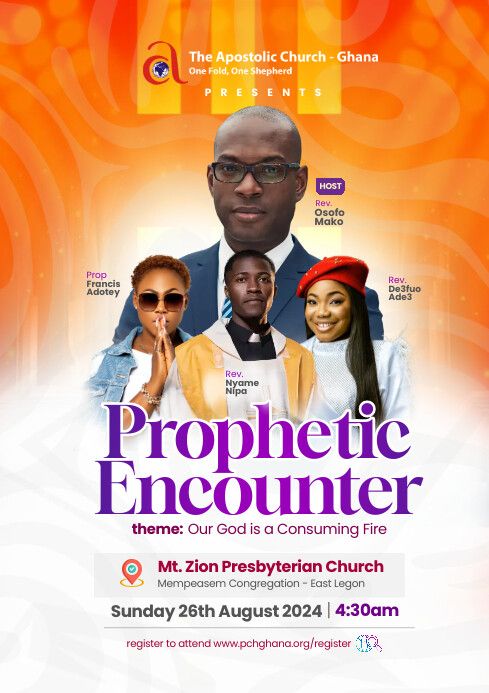
Imagine a church not as a fortress of solitude, but as a bustling marketplace of divine whispers—a place where every believer is both merchant and message, trading in the currency of prophecy. A church prophecy campaign isn’t merely a program; it’s a spiritual bazaar where the congregation becomes the living tapestry of God’s unfolding story. To involve the people isn’t just to invite participation; it’s to ignite a sacred fire where every voice becomes a candle, and every candle, a lighthouse illuminating the path ahead. This is not about passive attendance—it’s about active co-creation, where the pews become stages, and the pulpit, a chorus of shared revelation.
The Sacred Invitation: From Spectator to Seer
To involve the congregation in a prophecy campaign begins with a radical shift in identity. The pew-sitter must become the prophetic voice. Begin with a language of invitation that transcends duty and enters destiny. Speak not of “attending” a prophecy series, but of “stepping into the prophetic narrative.” Use metaphors like “the river of revelation” that flows through the sanctuary, or “the prophetic loom” where each believer’s thread weaves into a grand tapestry of God’s will. Frame participation not as obligation, but as an awakening—like a gardener who finally hears the soil whisper its needs, or a sailor who feels the wind shift direction and adjusts the sails in time.
This transformation begins with storytelling. Share testimonies not as afterthoughts, but as sacred scrolls unrolled before the assembly. Let the congregation hear how a single prophetic word redirected a life, healed a marriage, or birthed a ministry. These stories are not just encouragement—they are the seeds of identity. When people see themselves as carriers of God’s voice, they stop waiting for the prophet to speak and begin listening for the whisper within.
Interactive Prophecy: Beyond the Pulpit
The pulpit is a beacon, but the pews are the engine. To involve the congregation fully, prophecy must move from monologue to dialogue. Introduce “prophetic stations”—corners of the sanctuary or foyer where people can receive, write, or share prophetic words. One station might offer guided prayer with soft worship music, where individuals journal revelations. Another could feature a “prophetic wall” where attendees pin handwritten words of encouragement or direction for others. A third might host live “prophetic listening” sessions, where trained intercessors pray over people and speak what they sense from the Spirit.
Technology can amplify this rhythm. Create a secure digital platform where members can submit prophetic impressions, which are then curated and shared in weekly newsletters or during services. Use QR codes on bulletins that link to short audio clips of prophetic encouragements recorded by elders. This turns the congregation into a living archive of God’s voice, accessible anytime, anywhere. The key is to make prophecy tactile, visible, and participatory—not confined to a Sunday sermon, but woven into the fabric of weekly life.
The Prophetic Team: Equipping the Saints
Not everyone is called to be a prophet, but every believer is called to steward prophecy. Form a “prophetic ensemble”—a diverse group of men and women trained in discernment, humility, and biblical grounding. This team doesn’t just deliver messages; it models how to receive, test, and steward prophetic words. Host workshops on distinguishing the Spirit’s voice from imagination or emotion. Teach the art of “prophetic stewardship”—how to pray over a word, weigh it in community, and release it with grace. Equip them to mentor others, creating a ripple effect of prophetic maturity.
Involve youth and newcomers early. Young people often hear God with unfiltered clarity. Give them space to share visions or impressions in youth services or during special “prophetic huddles.” New believers, unburdened by religious skepticism, often receive words with childlike faith. Their contributions can be the freshest expressions of the Spirit’s movement. When the prophetic team reflects the diversity of the congregation, prophecy becomes a family language, not a foreign dialect reserved for the elite.
Prophecy in Practice: Daily Rhythms of Revelation
A prophecy campaign must outlast the Sunday service. Embed prophetic practices into daily life. Launch a “7-Day Prophetic Fast”—not from food, but from distractions. Encourage participants to spend 15 minutes each morning in silence, asking God for a word, a picture, or a scripture. Provide daily devotionals that include prophetic reflections, written by members of the congregation. These aren’t polished sermons; they’re raw, personal encounters with God. Share them in a private app or printed booklet, turning personal devotion into communal inspiration.
Create “prophetic partnerships”—pairs or trios who pray together weekly, sharing what they’re hearing from God. These aren’t accountability groups; they’re prophetic laboratories where words are tested, refined, and released. Over time, these partnerships become the backbone of a culture where prophecy is not an event, but a lifestyle. When people begin to expect God to speak daily, the campaign transforms from a program into a pilgrimage.
The Prophetic Harvest: From Words to Works
Prophecy without action is a song without an instrument—beautiful in theory, hollow in practice. To involve the congregation fully, connect prophetic words to tangible mission. If someone receives a word about healing, launch a prayer team. If a word speaks of unity, organize a community outreach event. If a vision points to a new ministry, form a task force. Let every prophetic word be a seed planted in the soil of obedience. This transforms prophecy from abstract inspiration into lived faith.
Celebrate the harvest publicly. Host a “Prophetic Impact Night” where members share how a word changed their path—how a seemingly small impression led to a job offer, a restored relationship, or a renewed passion for prayer. Let the congregation see the fruit of their participation. This not only validates the process but fuels the fire of expectation. When people witness the power of prophecy in action, they return not as spectators, but as co-laborers in the harvest.
Overcoming Resistance: The Prophetic Paradox
Yet, involvement is not without friction. Some will resist prophecy, fearing error, excess, or emotionalism. Others may feel unworthy or intimidated. Address these concerns with transparency and grace. Teach the biblical balance between the “more excellent way” of love and the necessity of prophetic gifts. Share stories of missteps and corrections—how a word was tested, refined, and ultimately blessed the body. Normalize the messiness of spiritual growth. Remind the congregation that prophecy is not about perfection, but about presence—the presence of a God who speaks, guides, and transforms.
Above all, model vulnerability. Let leaders share their own prophetic journeys—times of clarity and confusion, of breakthrough and backtracking. When the congregation sees that even the most mature believers are still learning to listen, they feel safe to step forward. Prophecy thrives not in a culture of performance, but in one of authenticity. The goal is not to produce perfect prophets, but a people who know how to hear God together.
The church prophecy campaign is not a program to be launched—it’s a culture to be cultivated. It begins with a single word, a single heart open to listen. From there, it spreads like wildfire through dry grass, igniting a movement where every believer becomes a torchbearer of divine revelation. The result is not just a congregation that hears prophecy, but one that lives it—where the sanctuary hums with the sound of God’s voice, and the people walk not in shadows, but in the light of His presence.

