

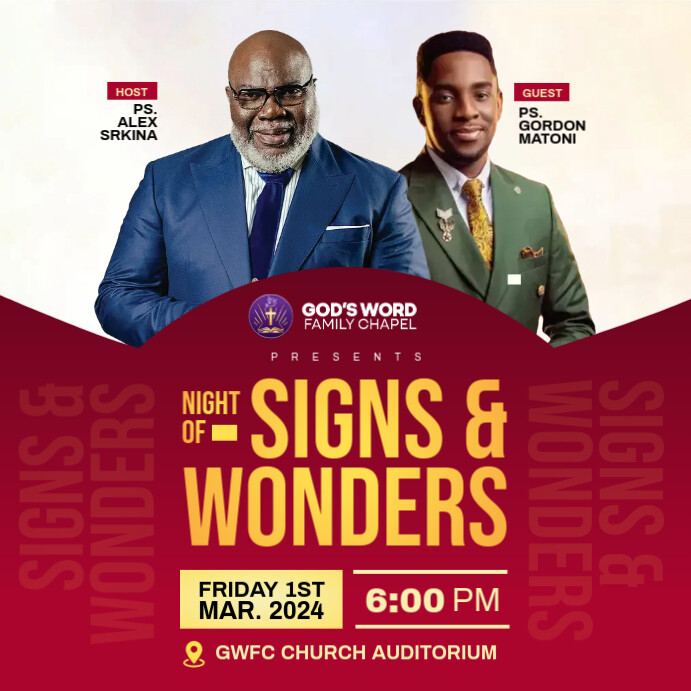
There’s something undeniably magnetic about a church signs and wonders campaign—those moments when the ordinary transcends into the extraordinary, when the heavens seem to bend just enough to catch the congregation’s collective breath. Yet, too often, these campaigns unfold like a well-rehearsed spectacle, leaving the pews filled with spectators rather than participants. The deeper frustration isn’t the lack of miracles; it’s the absence of a shared journey, the quiet realization that the congregation’s role has been reduced to passive applause. How do we transform these campaigns from monologues of divine power into dialogues of communal faith? The answer lies not in amplifying the volume of the miraculous, but in deepening the invitation to belong to it.
The Illusion of Spectacle and the Hunger for Participation
We live in an age where awe is commodified—where viral videos of instantaneous healings or inexplicable phenomena are consumed like fast food, satisfying for a moment but leaving no lasting nourishment. The congregation, conditioned by this cultural diet, often arrives at a signs and wonders campaign expecting to witness a performance rather than co-create a movement. This isn’t a critique of divine power; it’s an observation of human longing. People don’t just want to see miracles—they want to feel them pulse through their own veins, to taste the mystery as something personal, not just televised.
The deeper hunger isn’t for the miraculous itself, but for the sacred in the mundane. When a congregation is merely an audience, the wonders become a sideshow, divorced from the fabric of their daily lives. The key, then, is to shatter this illusion by making participation the centerpiece. Begin by reframing the campaign not as a series of events, but as a pilgrimage—a shared journey where every member, from the youngest to the eldest, is both pilgrim and priest in the unfolding story.
From Passive Observers to Active Co-Creators
Involvement begins with ownership. The most transformative campaigns are those where the congregation isn’t just present—they’re invested. Start by assembling a “Miracles Team,” a diverse group of volunteers tasked with prayer, logistical support, and storytelling. Let them curate the narrative: who shares their testimony? Which moments of divine intervention are highlighted? When the congregation sees familiar faces stepping into roles of leadership, the campaign ceases to feel like a performance and becomes a family affair.
But ownership requires more than roles—it demands vulnerability. Encourage small groups to share their own “unseen miracles”—those quiet moments of answered prayer, unexpected provision, or supernatural peace that often go uncelebrated. These aren’t the flashy healings that dominate social media, but the steady, persistent whispers of God’s presence. When these stories are woven into the campaign’s fabric, the congregation begins to see wonders not as distant phenomena, but as threads in the tapestry of their own lives.
The Power of Shared Expectancy
Expectancy is the fertile soil in which miracles take root. A congregation that gathers with passive curiosity will leave with polite applause; one that arrives with expectant faith will depart with stories of transformation. Cultivate this expectancy through intentional preparation. Before the campaign begins, host “Expectancy Nights”—evenings of worship, Scripture meditation, and prophetic listening where the congregation is invited to name their hopes, fears, and dreams for the weeks ahead. These aren’t just pep rallies; they’re sacred rehearsals, where the people of God practice the posture of faith before the curtain rises.
During the campaign itself, create spaces for corporate intercession. Not just perfunctory prayers, but moments where the congregation is led into a holy hush, where they listen for the still, small voice of God. These aren’t passive gatherings; they’re spiritual laboratories where faith is tested, refined, and multiplied. When a person prays alongside others and senses the tangible presence of God, the line between observer and participant blurs—and the wonders cease to be something they watch and become something they carry.
Bridging the Gap Between Miracles and Daily Life
The greatest tragedy of a signs and wonders campaign isn’t its failure to produce miracles—it’s its failure to integrate them into the rhythm of everyday faith. A healed body or a restored relationship means little if it remains a one-time event, disconnected from Monday morning’s struggles. The solution lies in creating “aftercare” pathways—structured ways for the congregation to nurture the seeds of wonder long after the campaign ends.
Design follow-up resources: devotional guides that explore the themes of the campaign, small group discussion questions that probe the intersection of faith and experience, and prayer journals where individuals can track God’s faithfulness. Host “Legacy Nights” months later, where the congregation gathers to share how the campaign’s promises have unfolded in their lives. These aren’t just sentimental reflections; they’re declarations that the wonders weren’t just for a season—they were for a lifetime.
The Unseen Miracles: When the Congregation Becomes the Wonder
There’s a quiet revolution brewing in churches where the congregation stops waiting for miracles and starts becoming one. It happens when a skeptic’s heart softens, when a divided family finds reconciliation, when a weary soul discovers renewed purpose. These aren’t the kinds of wonders that make headlines, but they are the ones that reshape lives—and communities—from the inside out.
The most profound sign of God’s power isn’t always the dramatic healing or the inexplicable provision. Sometimes, it’s the way a congregation, once fractured by apathy or division, begins to move as one body, united in faith and purpose. When a church shifts from being a place where wonders happen to a people through whom wonders flow, the campaign transcends its own boundaries. It becomes a living testament to the truth that the greatest miracle isn’t what God does for us—it’s what God does through us.

