

Every vibrant church is a living organism, and its volunteers are the heartbeat that pumps grace through every corridor of ministry. Like an orchestra that rises or falls on the commitment of its musicians, a faith community thrives when believers step forward to share their unique gifts. The call to serve is not merely a recruitment drive; it is an invitation to join a sacred symphony where each note—whether bold or delicate—creates a harmonious tapestry of love and purpose.
Cultivating a Covenantal Mindset: Preparing the Soil
Before a seed can sprout, the earth must be tilled. In the same way, the congregation must first prepare its spiritual soil through prayer and collective discernment. Gather the leadership in a contemplative retreat, inviting the Holy Spirit to soften hardened hearts and illuminate潜藏的恩赐. A season of communal fasting and worship creates an atmosphere where people feel the urgency of service as a response to God’s boundless mercy. This foundational reverence acts as a catalyst, turning ordinary volunteers into eager laborers for the kingdom.
Discerning Spiritual Gifts: Mapping the Mosaic
Each believer carries a distinct mosaic of talents, a “giftography” that, when uncovered, reveals a roadmap for purposeful involvement. Deploy an interactive gift assessment—perhaps a digital survey titled “Discover Your Divine Blueprint”—and follow it with one‑on‑one conversations that celebrate individuality. Use vivid imagery: “Your gift is a brushstroke in the grand fresco of community life.” When people recognize their unique contributions—whether teaching, hospitality, mercy, administration, or prophecy—they perceive a divine fit, making recruitment feel less like a request and more like a destiny.
Casting a Vision that Ignites: The Narrative of Impact
Storytelling is the most potent elixir for recruitment. Paint a vivid picture of transformation: imagine a child receiving tutoring, a family receiving meals, or a senior finding companionship. Narrate these moments with sensory details—“the rustle of fresh bread at the community lunch, the laughter echoing through the fellowship hall”—to evoke empathy and urgency. When the congregation hears a narrative that links personal passions to Kingdom outcomes, the abstract idea of “volunteering” becomes a concrete, soul‑stirring mission.
Crafting the Invitation: The Art of Persuasive Proclamation
An invitation is more than a bulletin announcement; it is a proclamation that summons the heart. Write each call to action with an active voice, emphasizing the urgency and the reciprocal blessing: “Step into the breach, and discover a deeper intimacy with Christ.” Use rhetorical devices such as anaphora (“We pray, we serve, we flourish”), and sprinkle occasional brevity (“Serve today”). Personal testimonies, video clips, and live testimonials act as vivid illustrations, turning a passive “sign‑up sheet” into a compelling, personal nudge.
Leveraging Community Fabric: Weaving into the Tapestry
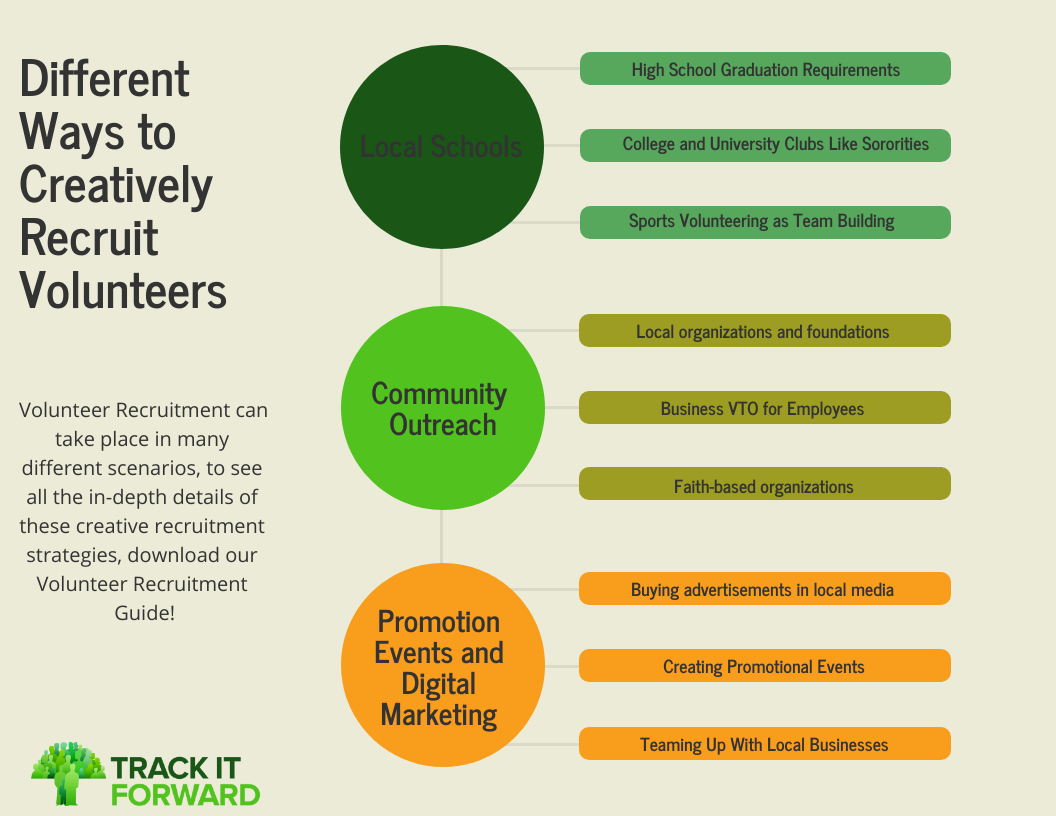
The church does not exist in isolation; it is a node within a broader community web. Host neighborhood fairs, food drives, and service days that invite participation from both insiders and outsiders. Display a “Service Spotlight” board that rotates stories weekly, and utilize social media platforms to broadcast moments of impact. When a volunteer sees their own photo, name, or quote alongside a charitable act, the sense of belonging deepens, and the community becomes a magnet for new recruits.
Designing Pathways of Participation: The Volunteer Journey Map
Just as a pilgrim needs a clear trail to reach a shrine, volunteers benefit from a defined pathway that outlines expectations, time commitments, and growth stages. Draft a visual “Volunteer Journey Map” that delineates phases: “Inquiry → Orientation → Training → Deployment → Celebration.” Offer tiered options—brief “micro‑shifts,” half‑day events, or ongoing roles—so individuals can select a rhythm that aligns with their life cadence. This structure reduces ambiguity and cultivates a sense of progress.
Training and Empowering: Equipping for the Harvest
Empowerment begins with education. Conduct concise, hands‑on workshops that address both practical skills and spiritual formation. For instance, a “Mercy Ministry Bootcamp” can combine first‑aid training with reflective prayer, ensuring volunteers feel competent and spiritually anchored. Pair novices with seasoned mentors through a buddy system, fostering relational continuity. When believers feel equipped, confidence surges, and they become ambassadors who spontaneously invite others.
Celebrating and Retaining: Nurturing the Flame
Recognition is the oxygen that sustains the fire of volunteerism. Organize quarterly appreciation events—potluck banquets, “Volunteer of the Year” awards, or surprise “thank you” cards signed by the pastor. Publicly narrate stories of impact, emphasizing the ripple effect of each act of service. Implement a “Milestone Celebration” where volunteers who reach certain hours receive a symbolic token—an engraved stone, a custom lanyard—reinforcing identity and belonging. Consistent acknowledgment transforms occasional helpers into lifelong co‑laborers.
Overcoming Obstacles: Navigating Barriers
Barriers are inevitable, yet they can be stepping stones with intentional accommodation. Address common concerns—time constraints, transportation, childcare—by creating a “flex‑shift” library, offering ride‑share coordination, and providing a staffed “Kids’ Corner” during service times. Communicate transparently about expectations, and invite volunteers to suggest modifications. When the church visibly adapts to the needs of its servants, the message is clear: every offering is valued, and no sacrifice is too small.
Sustaining Momentum: A Cycle of Grace
Volunteer recruitment

