

What if the most transformative sermon your church ever preached wasn’t delivered from a pulpit—but instead, lived out in the laughter of children sorting coins into offering plates, the quiet hum of volunteers tending a community garden, or the bold vision of a youth group fundraising for clean water in a distant village? Biblical stewardship isn’t just about tithing or budget reports; it’s a vibrant, living rhythm of gratitude, responsibility, and generosity that begins in the heart and ripples outward into every corner of congregational life. But here’s the playful yet profound challenge: How do we move from talking about stewardship to embodying it in ways that captivate hearts, spark imagination, and endure beyond Sunday mornings?
The Heart of the Matter: Why Stewardship Isn’t Just About Money
Stewardship is often reduced to a financial plea—“give more, save more, budget better”—but that’s like describing a symphony by only mentioning the sheet music. At its core, biblical stewardship is a theology of belonging. It whispers that everything we have—our time, talents, treasures, and even our breath—is a sacred trust, not an entitlement. When Jesus told the parable of the talents (Matthew 25:14–30), He wasn’t just teaching about money; He was revealing a divine economy where faithfulness in small things unlocks greater responsibility. The challenge? Many churchgoers see stewardship as a duty, not a privilege. How do we shift the narrative from obligation to opportunity?
Start by reframing stewardship as a journey of discovery. Imagine a child’s first attempt to tie their shoes—awkward, imperfect, but full of potential. Stewardship begins similarly: not with perfection, but with participation. When congregants realize that their unique gifts—whether baking a casserole for a grieving family or fixing a leaky faucet in the church kitchen—are acts of worship, the entire concept transforms from a financial transaction to a spiritual practice.
Planting Seeds: Age-Appropriate Stewardship for Every Generation
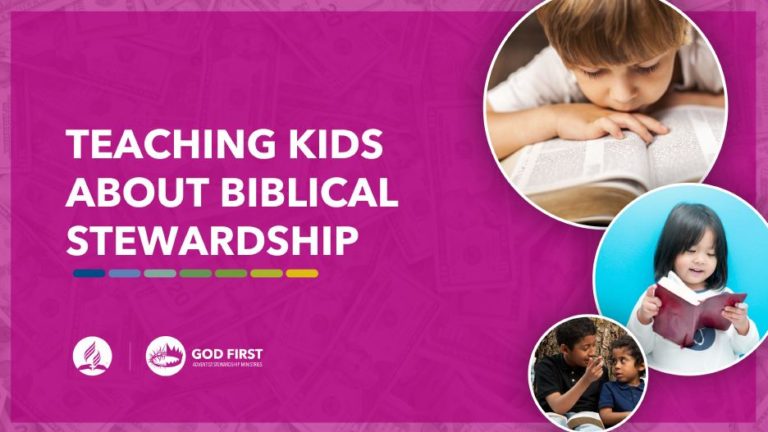
Children learn stewardship best when it’s woven into play. Picture a Sunday school class where kids “adopt” a potted plant, learning to water it, measure its growth, and eventually gift it to a neighbor. The plant becomes a living metaphor for nurturing what God entrusts to us. For teens, stewardship might look like a service project where they design a budget for a community need—calculating costs, seeking donations, and presenting their plan to the congregation. The key? Make it tangible, memorable, and tied to real-world impact.
Adults, however, often need a different spark. Many feel overwhelmed by financial stress or guilt over past mistakes. Here, stewardship becomes an invitation to freedom. Consider a “reverse tithing” challenge: instead of focusing on giving 10%, participants commit to living on 90% of their income for a month, discovering how God multiplies the remaining 10% in unexpected ways. The challenge isn’t just to give more, but to trust more deeply.
From Pews to Plows: Integrating Stewardship into Weekly Rhythms
Stewardship shouldn’t be a once-a-year sermon series—it should pulse through the life of the church like a heartbeat. One innovative approach is to embed stewardship into the liturgical calendar. During Advent, host a “Gratitude Market” where families bring non-perishable food items to exchange for handmade gifts, teaching generosity amid holiday excess. Lent could feature a “Fast from Waste” challenge, where congregants track their consumption and redirect savings to a global cause. Even the humble bulletin can become a tool: include a “Stewardship Spotlight” highlighting a volunteer’s story or a simple act of kindness.
The challenge? Consistency. It’s easy to launch a program with fanfare, only to let it fade by Easter. The solution lies in decentralizing stewardship—empowering small groups, ministry teams, and even individuals to own it. When the youth group organizes a car wash to fund a mission trip, or the women’s ministry hosts a “Skill Swap” where members trade services (e.g., gardening for tax prep), stewardship becomes organic, not forced.
Overcoming the Elephant in the Sanctuary: Addressing Fear and Scarcity
Fear is the silent saboteur of generosity. “What if I give and then I’m left with nothing?” “What if the church mismanages my gift?” These whispers can paralyze even the most faithful. The antidote? Transparency and storytelling. Share real stories of how donations have transformed lives—whether it’s a single mother’s rent paid anonymously, or a new roof installed after a storm. Invite the church treasurer to demystify the budget process, showing how every dollar is stewarded with integrity. The challenge isn’t to eliminate fear, but to confront it with truth.
Another barrier is the myth of “not enough.” What if the church framed stewardship as a celebration of sufficiency? A potluck where everyone brings a dish, yet the table groans with abundance, illustrates this beautifully. When congregants see that God’s economy runs on overflow, not scarcity, generosity becomes contagious.
Measuring What Matters: Beyond Tithes and Offerings
Traditional metrics—pledge cards, attendance numbers, budget balances—only tell part of the story. To truly gauge stewardship’s impact, we must measure transformation. Track the number of volunteers who serve consistently for a year. Survey families who’ve experienced financial breakthroughs after applying biblical principles. Celebrate the teenager who, inspired by a sermon, starts a micro-business to support a cause. The challenge? Moving beyond numbers to narratives. After all, a church isn’t just growing its budget; it’s growing its people.
The Ripple Effect: Stewardship as a Witness to the World
When a church lives out biblical stewardship, it becomes a beacon of hope in a culture obsessed with consumption. Imagine a congregation where members collectively volunteer 10,000 hours annually, where every committee meeting begins with a prayer of gratitude for resources, where the church’s financial reports are as eagerly anticipated as the Sunday sermon. This isn’t just good stewardship—it’s radical discipleship. The challenge? Consistency in an age of distraction. The solution? Make stewardship visible, joyful, and contagious.
Start small. End big. Plant a seed of generosity in a child’s heart today, and watch it grow into a forest of impact tomorrow. After all, the greatest sermons aren’t preached—they’re lived.

