

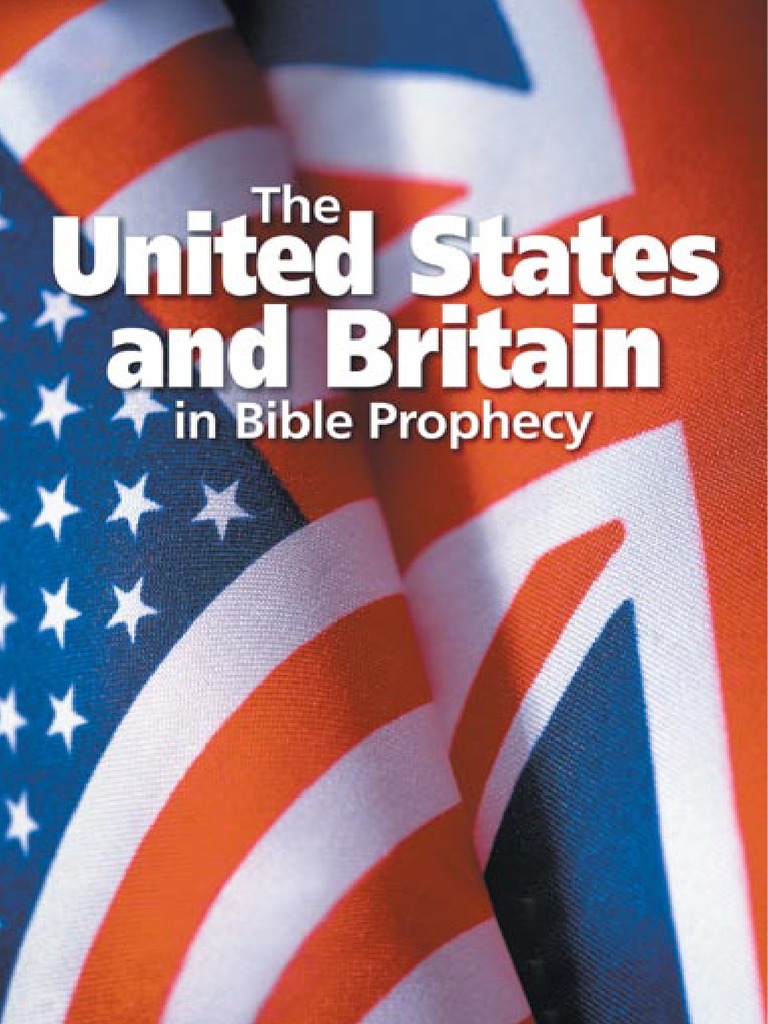
The intricate relationship between the United States and biblical prophecy reveals a tapestry woven through time—a narrative that transcends geographical boundaries and stirs the souls of many. As one delves deeper into the sacred texts, an array of interpretations and profound connections surface, enhancing our understanding of contemporary America and its role on the world stage.
At the heart of this exploration lies a recurring theme: the notion of divine providence. Many scholars and theologians posit that the founding principles of the United States, notably liberty and the pursuit of happiness, resonate strongly with the tenets of Christian faith. The founding fathers, steeped in biblical values, envisioned a nation that would be a beacon of hope and a sanctuary for the oppressed. This vision aligns with the scriptural promise of a land where freedom reigns—echoed in verses such as Galatians 5:1, which emphasizes the importance of liberty.
Furthermore, several interpretations suggest that certain biblical prophecies hint at America’s role in the world’s spiritual and political schema. In the Book of Revelation, the emergence of a global superpower acts as a backdrop for the unfolding of end times. While interpretations vary, some assert that the United States’ position as a pivotal military and cultural force may echo prophecies concerning nations that play a significant role in the eschatological narrative. This perspective challenges the reader to consider how modern events reflect ancient texts.
Consider the implications of Isaiah 40:31, which prophesizes that those who hope in the Lord will renew their strength. This tenet finds expression in the enduring spirit of the American populace—even in adversity, there is a pervasive sense of resilience and striving for a better tomorrow. This resonance invokes curiosity regarding the degree to which spiritual beliefs have fueled the nation’s historical tenacity, artistry, and innovation.
Moreover, the concept of being a “city on a hill,” derived from Matthew 5:14, has served as a metaphor for the United States’ envisioned role in the world. This image encapsulates the aspiration to radiate moral virtue and inspire others. The United States, often critiqued yet simultaneously revered, stands as a testament to the complexities of nationhood intermingled with spiritual calling. This juxtaposition invites contemplation—can a nation truly embody divine ideals while grappling with its own fallibility?
In exploring America’s biblical parallels, a shift in perspective becomes paramount. The didactic lessons embedded within the scriptures invite individuals to consider the responsibilities that accompany the privileges of wealth and power. How does one reconcile prosperity with the moral imperatives of compassion, justice, and humility as advocated in Micah 6:8? This inquiry weighs heavily on the American consciousness, prompting dialogue about societal inequities and the ethical stewardship of resources.
Curiosity also surfaces when examining the prophetic implications of current social movements. Many advocates for justice draw upon scriptural exhortations, believing their causes reflect divine will. The echoed call for unity and reconciliation can be seen mirrored in scriptures like John 13:34-35, urging believers to love one another. As such, the intersection of faith and civic responsibility becomes a driving force in championing equality and sparking transformational change.
In conclusion, the exploration of what the Bible dictates regarding the United States invites a comprehensive and multifaceted dialogue. It encourages a deeper inquiry into the moral fabric of the nation, inspiring transformative introspection and action. Embarking on this journey is not merely an academic pursuit; it is an invitation to witness the unraveling story of a nation in perennial quest of fulfilling its divine purpose. The exploration of these texts compels us to remain vigilant and hopeful, beckoning a future where faith and justice converge to illuminate the path forward.

