

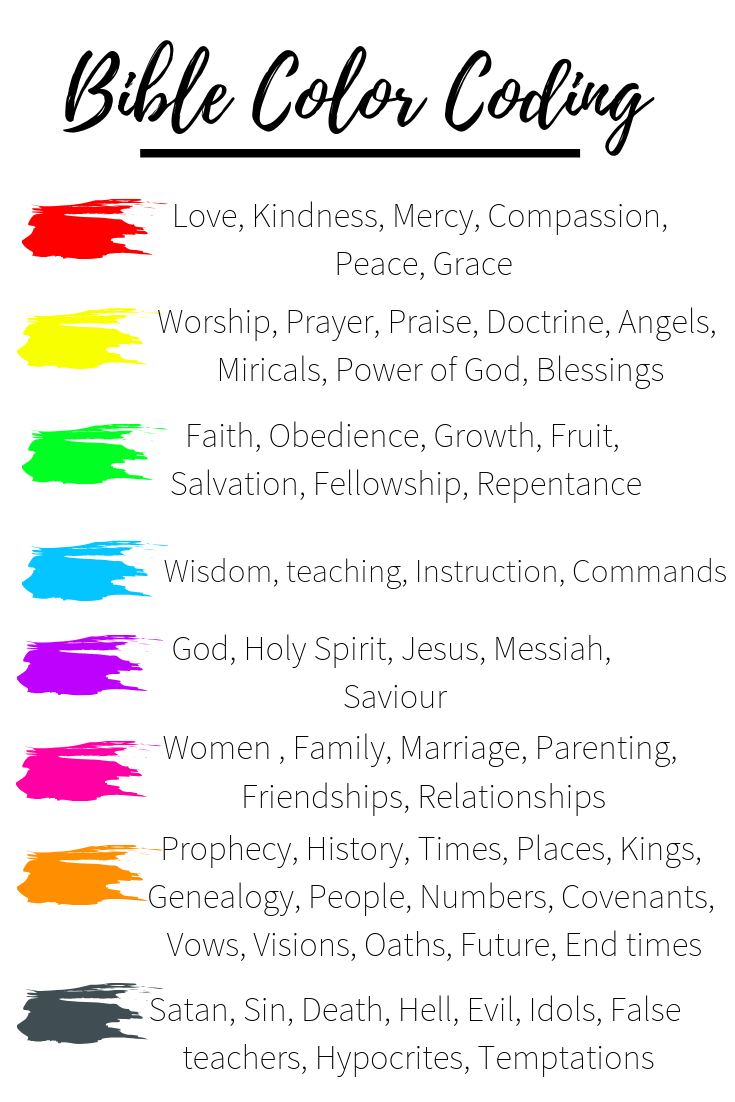
The color green, a hue that seamlessly intertwines with the essence of nature, is imbued with profound symbolism in the Bible. Its presence delivers a message that transcends the surface, offering insights into spiritual growth, renewal, and divine harmony. Exploring the diverse meanings associated with green provides a fascinating glimpse into its significance throughout biblical narratives.
Primarily, green represents life and vitality. The verdant imagery of lush pastures and blooming gardens often emerges when discussing God’s provision and care for His creation. For instance, Psalm 23 famously evokes the notion of God as a shepherd, guiding believers to “green pastures” and “still waters.” Here, green signifies nourishment and rest, encapsulating the idea of spiritual refreshment that is divinely orchestrated. Such pastoral illustrations connect readers to the abundant life that faith can cultivate, illustrating that the divine sustains and revitalizes those who seek a relationship with Him.
Moreover, the color green also embodies growth and fertility. This notion is especially pertinent in the context of agricultural analogies prevalent in biblical texts. The parables often utilize the imagery of sowing seeds that burgeon into fruitful crops, emphasizing the necessity of nurturing faith for spiritual development. In this light, green symbolizes the transformative power of the gospel—a force that promotes inner change through adherence to divine principles. A plant, rich in hues of emerald, signifies not only the potential for growth but also the promise of a bountiful harvest of good works that result from a life committed to following Christ.
Furthermore, green has connotations of hope and renewal. This theme is notably encapsulated in the depiction of new growth in spring, which serves as a powerful metaphor for resurrection and rebirth. The resurrection of Jesus, which Christians celebrate as Easter, represents the ultimate triumph over death, proposing a new beginning imbued with hope. Green serves as a reminder of this transformative experience, symbolizing the restoration of humanity’s relationship with God. Just as leaves emerge anew in spring, believers are called to embrace a life rejuvenated by faith.
In addition, the association of green with peace and tranquility cannot be overlooked. In biblical contexts, the verdant field or placid landscape often evokes a sense of calm that accompanies trust in divine providence. The imagery of sacred spaces often depicted with shades of green highlights the serenity that can be found in faith. Such depictions urge individuals to seek peace amid turbulent circumstances, illustrating that inner tranquility is attainable through surrendering to God’s will.
Moreover, green is interlaced with themes of justice and righteousness. In Isaiah, the vision of “the righteous shall flourish like the palm tree” employs green as a symbol of moral and ethical integrity. The flourishing of righteousness, nurtured by divine guidance, evokes images of a thriving community grounded in justice and peace. This connection emphasizes that believers are called to become agents of change, cultivating righteousness within their spheres of influence, much like a garden requires diligent care to thrive.
In conclusion, the color green in the Bible emerges as a multifaceted symbol steeped in rich biblical significance. From representing life and growth to embodying hope and righteousness, green serves as an enduring reminder of the beauty of God’s creation and the transformative power of faith. By delving into these diverse meanings, we unravel the profound truths that invite believers to explore the depths of their spiritual journey and the abundant life that springs from a relationship with the divine.

