

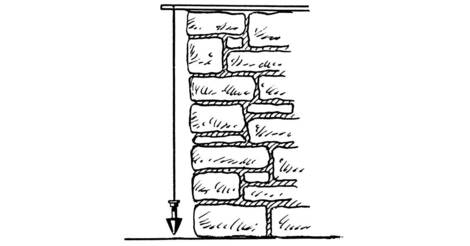
The biblically inspired metaphor of the plumb line unfurls an intricate tapestry of theological significance, encapsulating concepts of divine judgment, moral rectitude, and the steadfastness of God’s character. At its core, a plumb line is a simple yet profound tool used in construction, comprising a weight suspended from a string. This device serves an essential purpose—determining vertical alignment, ensuring that structures are grounded in uprightness. In the biblical narrative, its symbolism transcends the physical realm, inviting contemplation on spiritual stability.
In the Book of Amos, the prophet employs the imagery of the plumb line as an emblem of God’s impending judgment on Israel. God instructs Amos to perceive a plumb line against the people of Israel—a poignant metaphor signifying divine assessment. This poignant moment underscores the notion that God holds an unwavering standard for righteousness, fundamentally challenging the moral fabric of a society that has wandered astray. The plumb line becomes a vehicle of revelation; it starkly delineates the deviation from divine intent, illustrating the dire consequences of spiritual waywardness.
The thematic implications of the plumb line are multifaceted. Primarily, it speaks to the intrinsic nature of moral alignment. Just as the plumb line reveals whether physical structures are sound, it prompts introspection among individuals and communities regarding their ethical foundations. The call to “measure” oneself against the divine standard prompts an essential inquiry: Are we aligned with the principles God has established? This introspective journey not only encourages a meticulous examination of one’s values but also evokes a profound understanding of accountability before a higher power.
Moreover, the visual resonance of a plumb line serves to paint a vivid picture of stability and integrity. In a world often characterized by chaos and moral relativism, the plumb line is a bastion of constancy. It reminds the faithful that true security is not found in transient shifts of public opinion or societal mores, but rather in the unwavering nature of God’s word. When life’s uncertainties loom large, the plumb line invites believers to anchor their lives to divine truths, fostering resilience in the face of adversity.
Equally intriguing is the plumb line’s role as a restorative symbol. In its dual capacity as a measure of judgment, it simultaneously extends an olive branch of grace. The act of being measured encourages the potential for transformation. The corrective nature of the plumb line underscores that though one may deviate from the intended path, divine mercy is available for those willing to realign their lives with the truths of scripture. It embodies a message of hope—an affirmation that redemption is possible, urging the wayward back to righteousness.
Throughout the annals of biblical literature, the plumb line resonates as a figure of divine measurement. Those who embrace its symbolism yield to a deeper understanding of their spiritual health and communal integrity. As advocates for truth and righteousness, individuals are summoned to become living testimonies of this divine standard. Just as a plumb line ensures the erection of sturdy structures, so too does it foster a community that flourishes in faithfulness to God’s call.
In summation, the concept of the plumb line in the biblical context emerges as both a tool of judgment and a beacon of hope. It serves as a reminder of God’s unwavering expectations and the enduring possibilities for renewal. By embracing this potent metaphor, individuals not only enhance their spiritual discernment but also contribute to the construction of resilient, ethically sound communities grounded in divine grace. Its legacy remains a poignant testament to God’s desire for alignment between heaven and earth, offering a profound reflection for all who seek to navigate the complexities of faith and life.

