

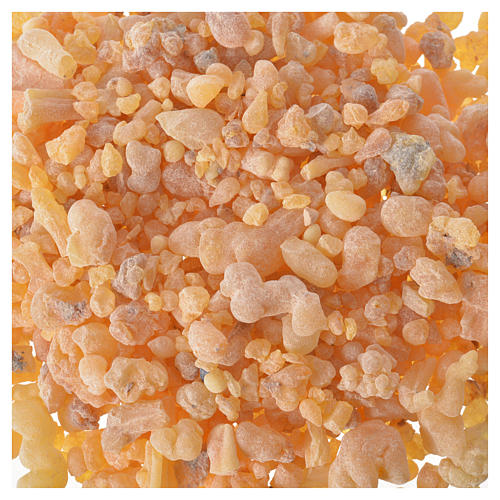
Frankincense, an aromatic resin derived from the Boswellia tree, holds profound significance in biblical scripture and ancient rituals. Esteemed for its heavenly fragrance and therapeutic properties, this incense has transcended time, finding its way into both religious and commercial domains. This exploration invites readers into the layered dimensions of frankincense as presented in the Bible, unraveling its historical, cultural, and spiritual import.
To appreciate its biblical context, one must first venture into its origins. Frankincense primarily comes from the dried sap of the Boswellia species, a tree native to the arid ecosystems of the Middle East, East Africa, and South Asia. Its extraction involves making incisions on the bark, allowing the sap to ooze out and harden into fragrant droplets. Historically, frankincense has been synonymous with trade routes, captivating merchants and travelers alike.
The mention of frankincense in the Bible resonates with multiple narratives. In the Old Testament, it was one of the primary ingredients in the holy incense prescribed to Moses in Exodus 30:34-38. Here, it symbolizes a connection between the divine and humanity, signifying reverence, prayer, and worship. The meticulous instructions provided for its preparation reflect the historical importance placed upon purity and intent in ceremonial practices. This incense, noted for its distinct and pleasing aroma, was burned on altars within the tabernacle, serving to elevate the communal experience of worship.
Transitioning to the New Testament, frankincense re-emerges during the poignant moment of Jesus’ Nativity. The Magi, known as wise men from the East, brought gold, frankincense, and myrrh as gifts for the newborn Messiah. Matthew 2:11 elucidates how these offerings were not mere tokens but laden with symbolism and reverence. The frankincense, a gift for divinity, foreshadowed Christ’s role as a conduit to the divine, representing honor for His spiritual kingship.
Intriguingly, frankincense’s aromatic properties have been revered beyond religious connotations. In ancient civilizations like the Egyptians, it was a critical component of embalming fluids, acting as a preservative and fragrance enhancer for the deceased. This illustrates its versatility and multifaceted applications, ranging from sacred rituals to medicinal uses. Its ability to enhance mood and promote a sense of tranquility has been documented extensively, suggesting that the sacred aromatic properties of frankincense extend beyond mere olfactory pleasure.
In the realm of spiritual practices, frankincense is frequently utilized in meditation and prayer. Its ethereal scent is believed to elevate the spirit, facilitating a deeper connection with the divine. Many esoteric traditions advocate for its use in purification rituals, emphasizing its role in cleansing spaces and individuals from spiritual impurities. The act of burning frankincense incense has come to symbolize a tangible way to communicate prayers and intentions to a higher power, fostering a sacred atmosphere conducive to reflection and spiritual growth.
As society progresses, the contemporary applications of frankincense demonstrate an intriguing convergence of ancient wisdom and modern scientific exploration. Research has unveiled its potential therapeutic benefits, showcasing its anti-inflammatory, analgesic, and antiseptic properties. Essential oil derived from frankincense has garnered attention within holistic healing practices, fortifying its status as both a spiritual and medicinal treasure.
However, the sustainability of frankincense harvesting calls for scrutiny. As demand grows, particularly in Western markets, the Boswellia tree faces threats from overharvesting and habitat destruction. Efforts are being made to promote sustainable practices, ensuring that the extraction of this precious resin does not compromise the integrity of ecosystems where it thrives. Environmental activism and ethical sourcing must intertwine, safeguarding these ancient trees for future generations.
Moreover, the exploration of frankincense in the context of interfaith dialogues encourages broader conversations about shared practices and beliefs. Various faiths utilize incense in their rituals, unveiling a tapestry of spirituality woven with common threads of reverence. Understanding the importance of frankincense across different cultures fosters mutual respect and appreciation, bolstering the idea that, despite divergent paths, spiritual aspirations often converge around intrinsic values embodied by sacred materials.
As we reflect upon the multifaceted nature of frankincense, it is crucial to recognize that this ancient substance transcends its physical properties. It serves as a conduit of connection—to the divine, to nature, and to one another. In both the palpable and ethereal realms, frankincense invites us to pause, breathe, and engage with the present moment. As the smoke rises and envelops the senses, we are reminded of the sacredness that has characterized millennia of human experience.
In conclusion, frankincense encapsulates a rich tapestry of historical, spiritual, and medicinal significance as illustrated in biblical texts and beyond. Whether used in ancient altars or modern practices, it continues to resonate with those seeking deeper meanings in their lives. The enduring legacy of frankincense serves not just as a reminder of faith and tradition but as a clarion call for environmental stewardship and holistic well-being, urging humanity to honor the delicate balance that sustains all living things.

