

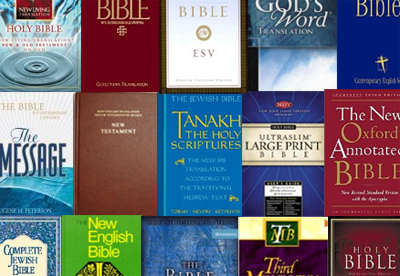
When delving into the multifaceted world of Bible translations, one inevitably encounters a plethora of options, each vying for the attention of congregants and theologians alike. The question swirling about the mind is not merely one of preference but rather one of significance: What is the best translation of the Bible? This query is more nuanced than a mere exercise in selection; it reflects fundamental shifts in linguistic understanding, cultural connotation, and theological interpretation. The answer often rests upon a foundation of individual belief, purpose, and need.
First, one must understand the underlying purpose behind translating sacred text. The Bible, revered as the inspired word of God, has been rendered into myriad languages and dialects, each translation possessing its unique flavor, intricacies, and theological nuances. At its core, the translation process seeks to communicate the original message of the scripture faithfully while making it accessible to contemporary audiences. Whether for personal study, academic inquiry, or corporate worship, the chosen translation can dramatically influence understanding and perception.
To embark upon this exploration, it is crucial to recognize the spectrum of translation philosophy. Broadly, translations can be categorized into two paradigms: “formal equivalence” and “dynamic equivalence.” Formal equivalence aims to adhere closely to the grammatical structures and lexical choices of the original texts, even if this yields an awkward reading experience in the target language. The English Standard Version (ESV) and the New American Standard Bible (NASB) exemplify this approach, appealing to those who prioritize fidelity to the source material.
Conversely, dynamic equivalence focuses on conveying the essence, thoughts, and intentions of the original authors, often resulting in a more readable and relatable form. The New International Version (NIV) and the Contemporary English Version (CEV) are noteworthy illustrations of this methodology. By prioritizing comprehension, these translations seek to bridge the chasm between ancient cultures and modern readers, cultivating a deeper spiritual resonance.
As one navigates these options, it is prudent to consider specific translations that have earned particular acclaim among scholars and laypersons alike. The King James Version (KJV), with its majestic prose, remains a literary hallmark despite its archaic language. For many, the KJV evokes a sense of reverence and continuity with centuries of Christian tradition. However, as language evolves, so too does the necessity for translations that speak fresh truths into contemporary contexts.
The New Revised Standard Version (NRSV) stands out for its commitment to inclusivity and gender-neutral language. This translation seeks to embrace the whole tapestry of humanity, recognizing the detrimental impacts of patriarchal interpretations while remaining faithful to the original texts. Its academic rigor and ecclesiastical acceptance make it suitable for both personal devotion and scholarly analysis.
Another noteworthy translation is The Message, a paraphrase by Eugene Peterson. Though it strays from traditional norms, opting instead for colloquial language, it captivates readers seeking to experience the text in a profoundly intimate manner. The Message shines when employed as a supplementary reading, offering a refreshing perspective that encourages deeper contemplation of the scripture.
Intriguingly, one must also address the cultural and linguistic context within which each translation operates. As societal values shift, so do the words and phrases that resonate with audiences. The Common English Bible (CEB) addresses this phenomenon head-on, employing contemporary language that speaks directly to issues prevalent in today’s cultural milieu. By doing so, it enables readers to engage the text meaningfully without the distraction of archaic references.
In this ever-evolving landscape, it is paramount to revisit the original languages—the Hebrew, Aramaic, and Greek that underpin the biblical texts. Engaging with these languages opens up a vista of understanding that transcends translation. Resources like interlinear Bibles and lexicons become invaluable tools, empowering seekers to probe the depths of scriptural meaning. This exploration not only enriches one’s faith but also unveils a broader truth about the human experience as denoted in these ancient writings.
While considering the best Bible translation, one must not overlook the role of personal inclination and spiritual need. A translation that serves one individual’s quest for intellectual rigor may not resonate with another seeking emotional connection. It becomes imperative to approach this decision with an open heart and mind, allowing for the possibility that the “best” translation evolves over time and as one’s spiritual journey matures.
In conclusion, determining the best translation of the Bible is a deeply personal odyssey, shaped by a myriad of factors including philosophical inclination, denominational affiliation, and individual needs. As one examines the diverse translations available, may curiosity lead to exploration, and may exploration lead to profound encounters with the sacred text. Ultimately, the value of a translation lies not solely in its linguistic fidelity but in its ability to inspire, challenge, and grace readers with timeless truths.

