

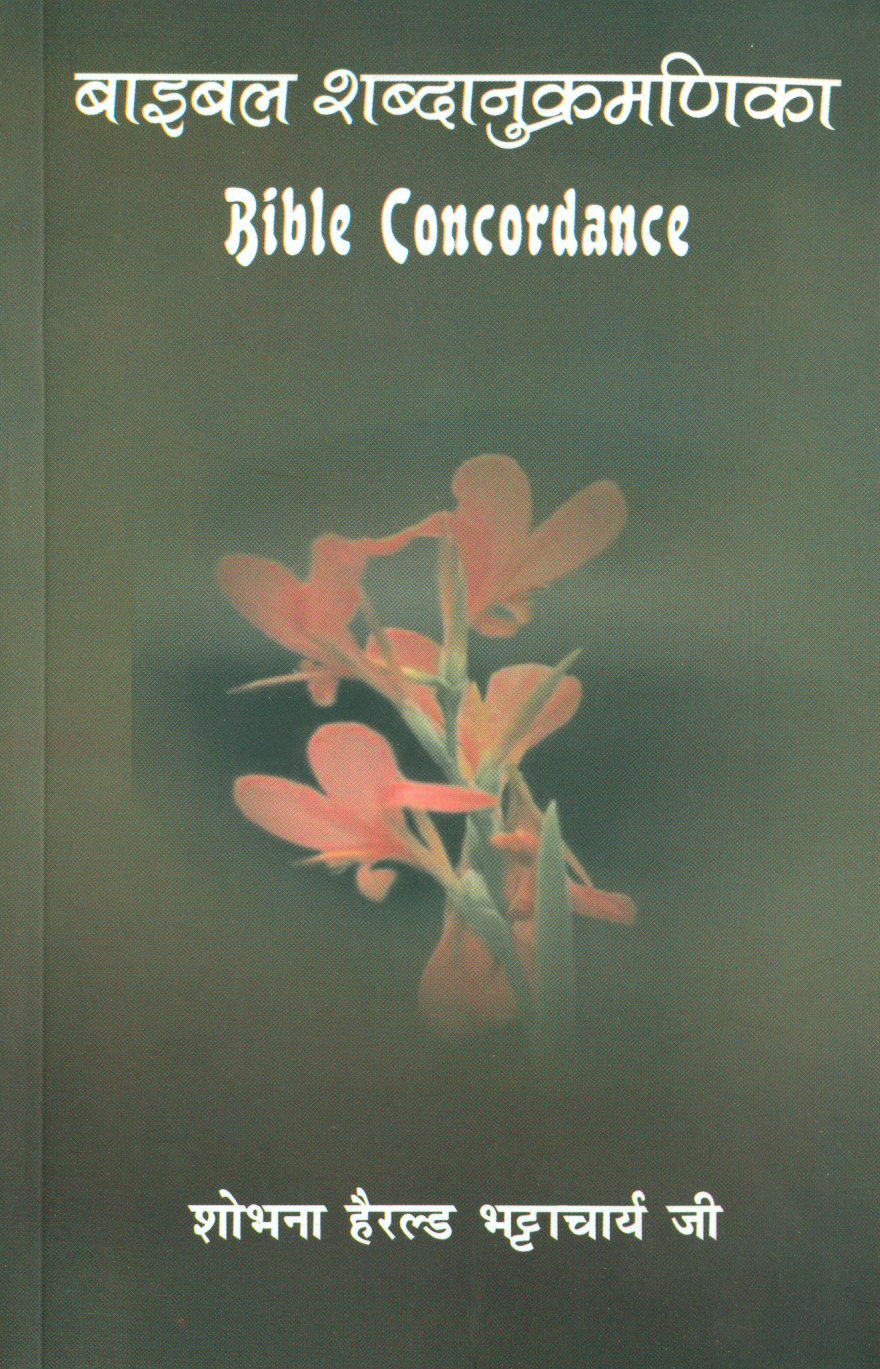
The world of biblical literature is replete with profound resources that enhance our understanding of scripture, and among these invaluable tools lies the Concordance Bible. A Concordance Bible is not merely a compilation of words; it is a gateway to deeper engagement with the holy texts, offering readers a unique lens through which to explore the nuances of their faith. For anyone seeking to delve into the more intricate layers of biblical teachings, understanding what a Concordance Bible entails is essential.
At its core, a concordance serves as an alphabetical list of words found in the scriptures, alongside their various occurrences and contextual meanings. This linguistic anthology allows readers to trace the usage of specific terms across the canon of biblical literature. Imagine having the ability to navigate the sacred texts by isolating particular words and phrases, thereby uncovering their diverse implications. For instance, when pondering the significance of the word “love,” it becomes possible to explore every instance where it appears, thus enriching one’s comprehension of its magnitude in different contexts.
The methodology underlying the creation of a Concordance Bible is neither haphazard nor simplistic. Scholars painstakingly compile these indices, ensuring a comprehensive representation of both the original languages—Hebrew and Greek—and their English translations. This meticulous attention to detail transforms the Concordance Bible into an indispensable companion for both casual readers and serious theologians alike.
Consider the broader implications of utilizing a Concordance Bible. In a fast-paced world inundated with information, many individuals yearn for a structured approach to spiritual exploration. A Concordance Bible satisfies this longing by serving as an intellectual compass, guiding readers back to the sacred texts with clarity. The ability to peel back layers of meaning illuminates the dynamism inherent within scripture, often cultivating a renewed sense of reverence and curiosity towards biblical teachings.
Moreover, the significance of a Concordance Bible transcends mere academic interest; it has practical applications that resonate in daily life. For those grappling with issues such as forgiveness, grief, or hope, diving into the concordance can yield phrases and verses that offer solace and guidance. This process encourages a transformative reading experience, where one is not just skimming over text but actively engaging with it, seeking out wisdom that resonates with personal circumstances.
When engaging with a Concordance Bible, the quest for knowledge morphs into an exploration of faith. Each searched term unfolds a tapestry of theological discussions, weaving together the wisdom of ancient contexts with contemporary reflections. This intersection of past and present enables readers to glean insights that align with their personal journeys, prompting reflection and inspiring action.
A fascinating component of the Concordance Bible lies in its capacity to facilitate comparative studies. By contrasting the usage of similar terms, bright contradictions and harmonious themes emerge, illustrating the complexities of human experience as depicted in scripture. This intricate examination can provoke profound shifts in perspective; readers may find themselves reevaluating long-held beliefs or discovering new dimensions of understanding.
In conclusion, the Concordance Bible offers an illuminating path for those willing to engage deeper with their faith. It stands as a testament to the richness of biblical literature, inviting readers to uncover the essence of scripture, one word at a time. Not merely a reference tool, but rather a cherished companion in spiritual growth, the Concordance Bible unlocks treasures that beckon exploration and contemplation. As you embark on this enlightening journey, you may very well find your perspective transformed, guiding you toward a more profound connection with the divine narrative.

