

The narrative of the forbidden fruit is one of the most evocative tales woven into the fabric of biblical scripture. It ignites the imagination and provokes profound questions about human nature, morality, and divine obedience. But what exactly was this enigmatic fruit? The story unfolds in the Garden of Eden, a paradisiacal realm where humanity’s journey commenced. Within this lush haven, the tree of the knowledge of good and evil stood as a singular focal point of temptation and rebuke.
First and foremost, it is essential to consider the symbolism of the forbidden fruit. Within the theological framework, this fruit serves as a metaphor for choice and free will. The admonition given to Adam and Eve—“You shall not eat of the fruit of this tree”—is not merely a directive but an invitation to exercise autonomy. The consequences of this choice would not only alter their existence but also, according to scripture, affect the entirety of humankind for generations to come.
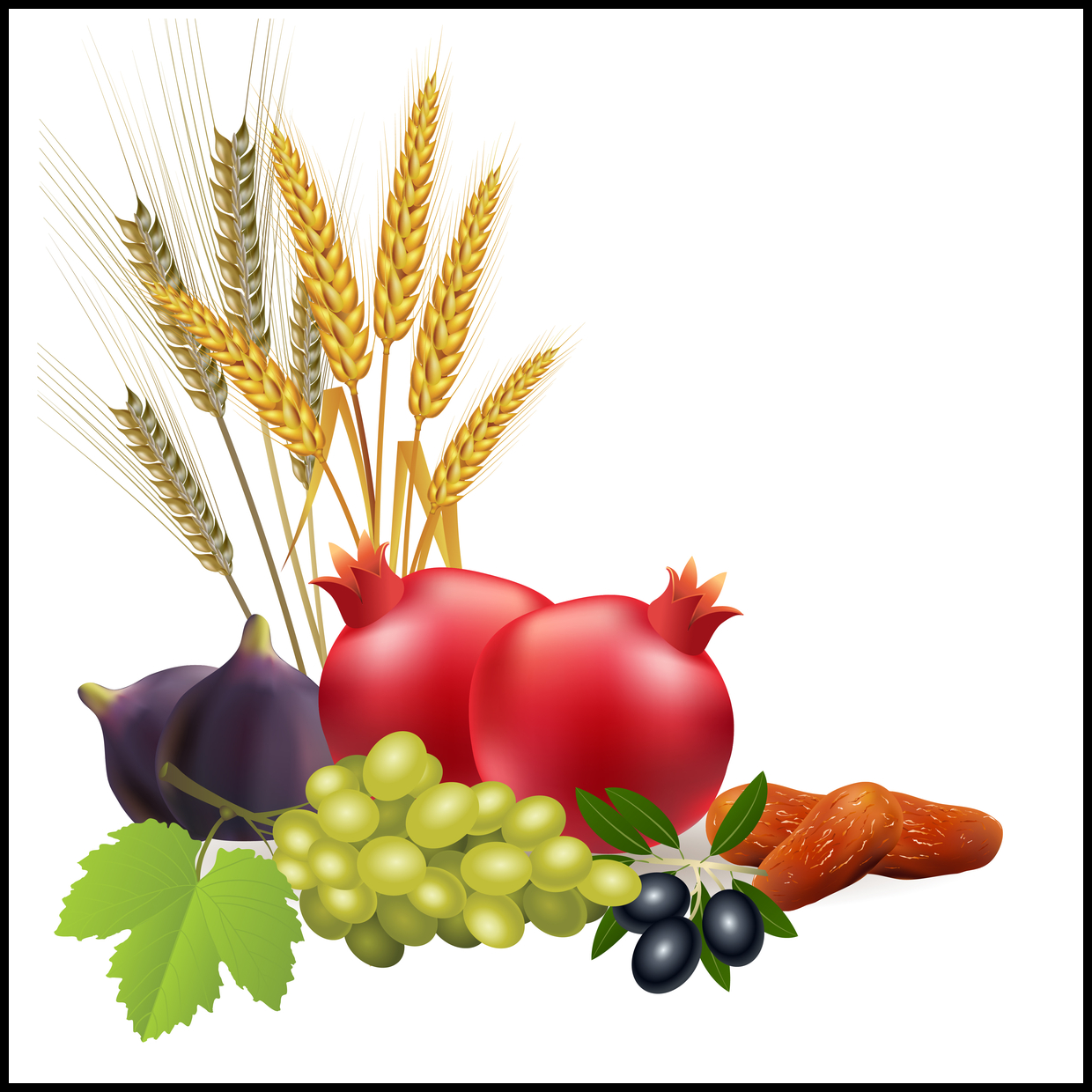
When dissecting the implications of the forbidden fruit, we encounter various interpretations surrounding its identity. Traditionally depicted as an apple in Western art, some scholars argue that the specific nature of the fruit remains ambiguous in the biblical text. Could it have been a fig, grape, or perhaps something altogether exotic? This ambiguity tantalizes as it compels us to re-evaluate our preconceived notions, urging us to look beyond mere fruit and consider the larger themes at play.
In examining broader biblical contexts, fruit often symbolizes knowledge and wisdom. The act of consuming the forbidden fruit, then, represents the embrace of carnal understanding and the resultant disobedience towards divine edicts. This pivotal moment reflects the intrinsic struggle between innocence and enlightenment—an archetype seen throughout literature and human experience. What does it mean to seek knowledge at the expense of purity? Such inquiries elevate the tale from a simple fable to a rich meditation on the human condition.
Moreover, the consequences that follow the consumption of the forbidden fruit are as critical as the act itself. Upon tasting its juices, Adam and Eve’s eyes were opened, leading to profound self-awareness. They recognized their nakedness and felt shame, an emotion previously alien to them. This newfound consciousness birthed a plethora of ethical questions: Is ignorance truly bliss? Would it have been better for them to remain unknowing in their state of divine innocence?
Interestingly, the repercussions of disobedience expand beyond personal guilt. The narrative unfolds to illustrate a fractured relationship with the divine, ultimately casting humanity into a state of exile from Eden. This theological nuance reveals that the fruit represents more than individual rebellion; it symbolizes humanity’s complex relationship with God—a dance between desire, freedom, and the inherent complications of life.
One might also ponder the implications of the serpent’s role in this account. The tempter, infused with cunning, introduces doubt and challenges the established order. This interaction not only stirs curiosity but highlights the ever-pertinent battle between temptation and virtue. Does this encounter suggest that the pursuit of knowledge can lead to salvation or destruction? Alternatively, can curiosity itself be likened to a double-edged sword—capable of yielding enlightenment or downfall?
In summary, the forbidden fruit serves as a fascinating fulcrum within biblical lore—loaded with rich imagery and moral complexity. It urges contemplation on the dichotomy of knowledge and innocence, choice and consequence. This ancient tale continues to resonate through the ages, prompting humanity to reflect on its own desires, the nature of freedom, and the profound quest for wisdom. By embracing the mystery of the forbidden fruit, one can embark on a transformative journey toward understanding the complexities of existence and our place within it.

