

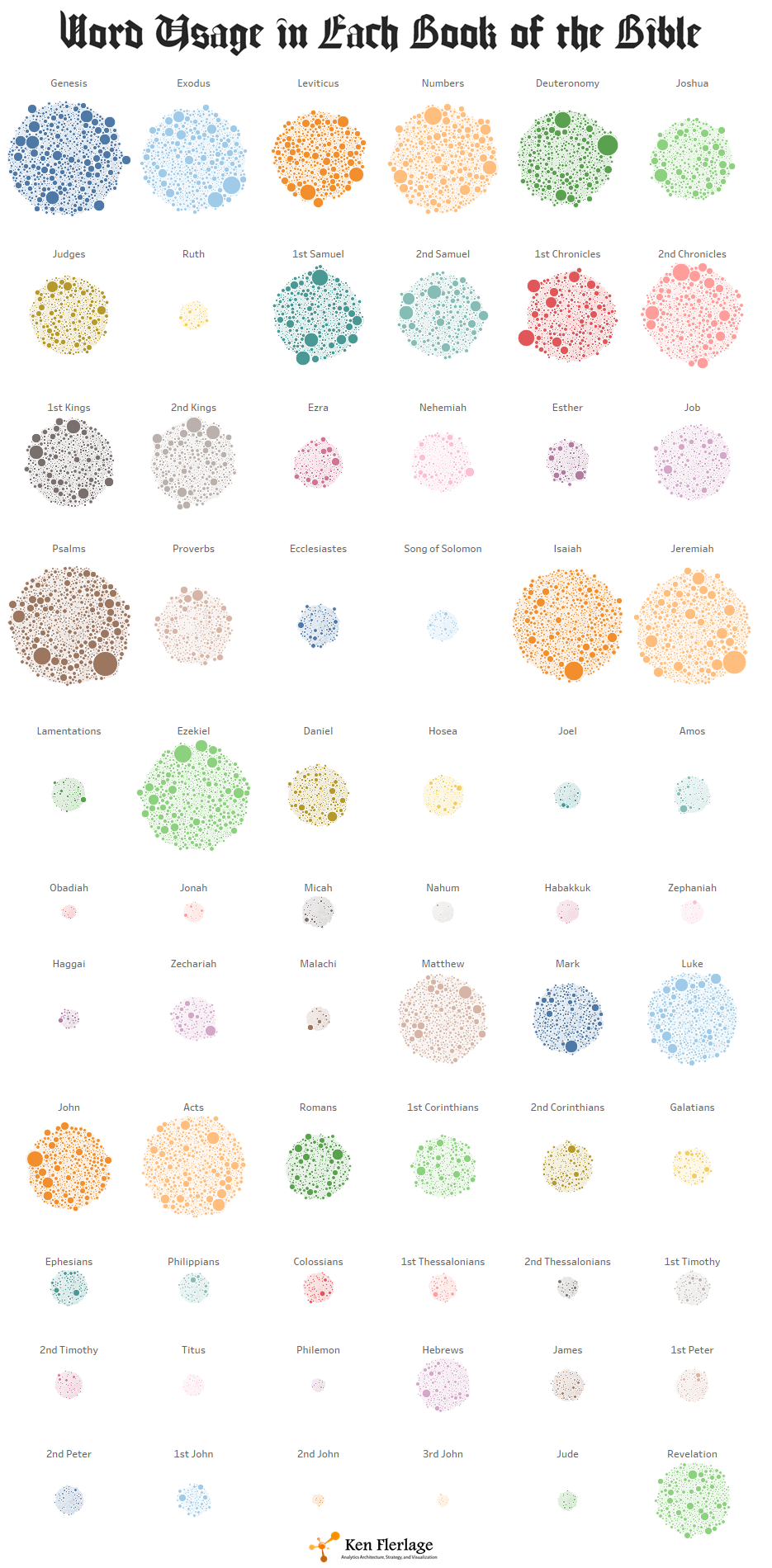
The Holy Bible, a tome revered and scrutinized across millennia, brims with an intricate tapestry of words, each imbued with profound significance. But which word emerges as the venerated centerpiece of this sacred anthology? Through meticulous analysis, the consensus reveals that “Lord” claims the title of the most frequently utilized word within its pages. This dominant word transcends mere frequency; it encapsulates the very essence of divine authority and sanctuary, serving as both a commanding presence and a profound comfort to millions.
In exploring the prominence of the term “Lord,” one must delve into its multifaceted resonance throughout the biblical narrative. The appellation, often attributed to the deity, carries with it an aura of sovereignty that invokes both reverence and intimacy. It is a term steeped in tradition, echoing through the ages as believers chant, “The Lord is my shepherd,” weaving a fabric of reassurance that guides the faithful through the tumultuous valleys of existence.
When one peels back the layers of this resonant word, an array of metaphors and symbols emerges. Think of the “Lord” as a lighthouse, standing resolute against the stormiest of skies, illuminating the darkened paths for vessels navigating the treacherous seas of life. For many, this beacon not only offers direction but also embodies hope, promising safe passage through trials and tribulations. The light of the “Lord” shines unwaveringly, a testament to the enduring power of faith.
Furthermore, the character of the “Lord” evokes a myriad of relationships. He is the benevolent parent, the unwavering protector, and the compassionate friend. This complexity is woven into the very fabric of various biblical narratives, creating a rich tapestry of interactions between the divine and humankind. From the burning bush that beckoned Moses to the gentle whispers that stirred the heart of Elijah, the encounters with the “Lord” serve as profound markers in the journey of faith.
Beyond the characterizations ascribed to the “Lord,” this term’s verb forms also render it an active participant in the human condition. “To adore,” “to follow,” “to worship”—each verb mirrors the relational dynamics at play, illustrating the multifarious ways individuals engage with the divine. This active language incites a vivid image of a congregation reaching skyward, lives intertwined in harmonious reverence, a living testament to the myriad expressions of devotion.
Additionally, contrasting terminologies in the biblical text accentuate the majesty of the “Lord.” While human frailties and tribulations echo throughout the Scriptures, the recurring invocation of the “Lord” serves as an antithesis to despair. In moments of doubt and strife, this linguistic anchor offers stability and fosters resilience. It is an unparalleled juxtaposition—human vulnerability meets divine omnipotence, and therein lies the crux of faith.
The transcendent appeal of the “Lord” within the Bible transcends cultural and temporal boundaries. From ancient scrolls scribed by prophets to contemporary congregations luxuriating in the warmth of communal worship, the word resonates like a melody that reverberates through the corridors of time. It is a clarion call, tender yet formidable, beckoning the weary and the lost to find solace and strength in its embrace.
In a world inundated with noise and distraction, the simple, profound repetition of “Lord” in the scriptural lexicon serves as a poignant reminder of the steadfast faith that has endured throughout ages. It reaffirms the notion that, regardless of the vicissitudes of life, this one word remains a lodestar—an unwavering point of reference for the souls in search of meaning amidst the chaos.

