

The concept of unleavened bread in the Bible is not merely a culinary consideration; it carries profound spiritual significance and historical context. But what really makes unleavened bread so significant, and why should we bother learning about it? Picture this: could the absence of leaven in bread reflect deeper theological truths? This article will explore the multifaceted nature of unleavened bread, delving into its origins, its symbolism, and its practical implications in both ancient and modern contexts.
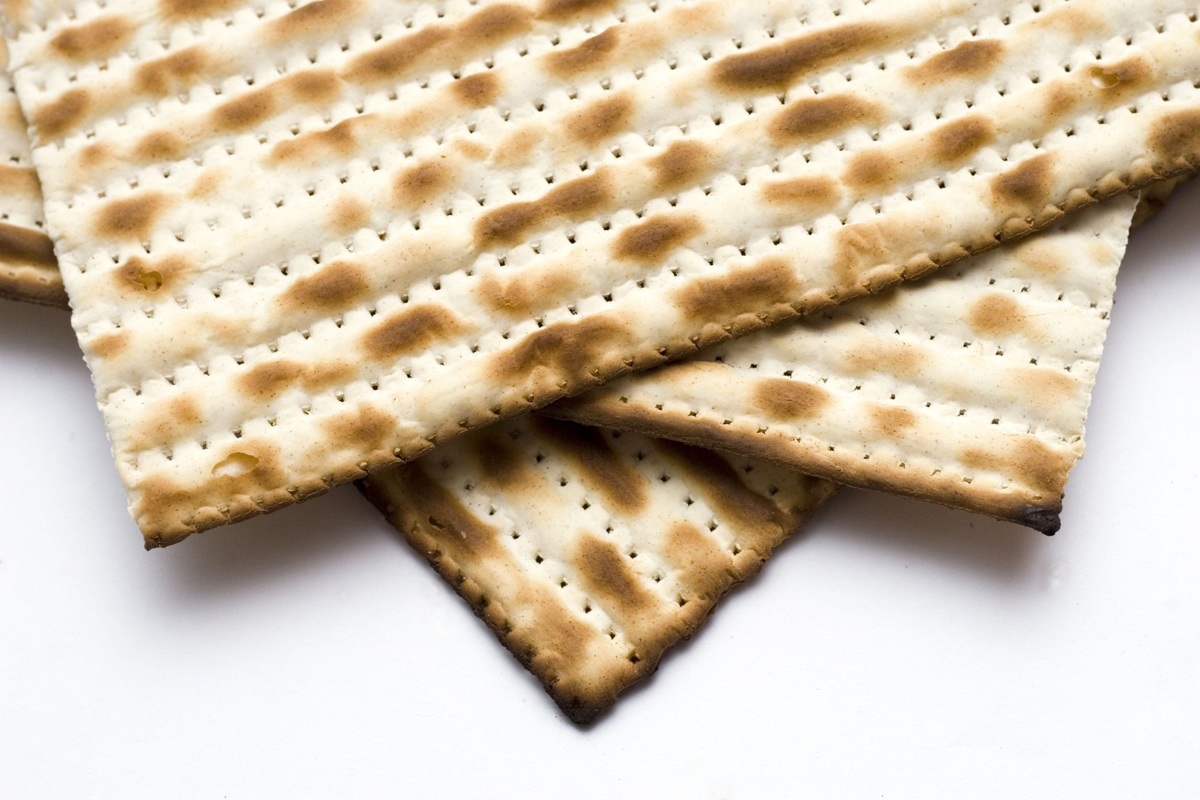
To begin with, unleavened bread, known in Hebrew as “matzah,” plays a central role during the Jewish festival of Passover. It commemorates the Israelites’ hasty exodus from Egypt, where they escaped slavery under the heavy yoke of Pharaoh. As the biblical narrative unfolds in the book of Exodus, we encounter the directive for the Israelites to eat unleavened bread during their flight from bondage. They had to leave Egypt so swiftly that there was no time for their bread dough to rise. Thus, this form of bread became a staple of their liberation.
Unleavened bread is characterized by its simplicity. Made from just flour and water, it stands in stark contrast to leavened bread, which undergoes fermentation. In biblical terms, leaven often symbolizes sin or corruption. Understanding this can prompt one to ponder: could the act of consuming unleavened bread serve as a metaphor for spiritual purity? Within the context of Passover and the Feast of Unleavened Bread, the absence of leaven is not only a culinary restriction but a call to examine and discard the leaven of sin from one’s own life.
The Feast of Unleavened Bread, celebrated for seven days following Passover, invites individuals to engage in self-reflection. Participants remove all leavened products from their homes, symbolizing the expulsion of impurities. Each day spent in this state serves as a reminder of the liberation from physical bondage and spiritual sin. This ritual raises the question: how often do we, in our modern lives, take the time to cleanse not only our physical spaces but also our internal landscapes?
The spiritual implications of unleavened bread extend beyond the festival. In the New Testament, Jesus reinterprets the significance of bread during the Last Supper, using unleavened bread in the sacrament of communion. He breaks the bread and declares it His body, symbolizing sacrifice and the establishment of a new covenant. This act bridges the ancient past with the present, illuminating how the symbolism of unleavened bread transcends generations.
In examining the Levitical laws, one encounters various references to grain offerings that incorporated unleavened bread. Such offerings were intended to be made in purity, devoid of the corruptive qualities that leaven embodies. Herein lies another layer of intrigue: what does it mean to bring our offerings—be they treasures, talents, or time—to God devoid of the character that leaven represents? Are we presenting our best selves, or do we obscure our gifts with the leaven of pride or unconfessed sin?
In the broader scope of biblical literature, unleavened bread serves as a metaphor for spiritual truths. In the Apostle Paul’s letters, leaven is depicted as a corrupting influence that can pervade a community if left unchecked. “A little leaven leavens the whole lump,” he warns, suggesting a powerful reminder to guard against small compromises that can lead to greater moral failure. In this light, could the absence of leaven in our lives lead to a more profound spiritual integrity?
Furthermore, the tradition of eating unleavened bread has permeated various cultural practices around the world. Different denominations and sects interpret its significance uniquely. For some, it evokes a sense of connection to Jewish heritage, while for others, it underscores the radical notions of sacrifice, redemption, and grace found in the New Testament. How do diverse interpretations of this simple bread highlight the universal quest for meaning and connection to the divine?
In maintaining the practice of incorporating unleavened bread into our spiritual lives, we are also invited to confront the challenge of complacency. Can we honestly assess our own lives, stripping away the leaven that makes us comfortable but perhaps spiritually stagnant? As we participate in rituals that invoke unleavened bread, we are urged to engage with the traditions deeply and personally, finding ways to live out these lessons in our daily existence.
Ultimately, the exploration of unleavened bread in the Bible is an invitation to delve into a richer understanding of faith and practice. It raises questions not only of historical and cultural relevance but also of personal introspection and moral integrity. Embrace the challenge: in the same way that unleavened bread served as a catalyst for change for the Israelites, perhaps it may also inspire transformative moments in our own lives.
In conclusion, unleash your curiosity regarding this ancient staple. Whether you find yourself baking a batch of matzah or participating in a communal ceremony, remember that unleavened bread possesses substantial meaning far beyond its lack of leaven. By engaging with the symbol of this bread, we are not merely participating in an age-old tradition; we are also partaking in a profound narrative about liberation, purity, and the ongoing journey toward spiritual wholeness.

