

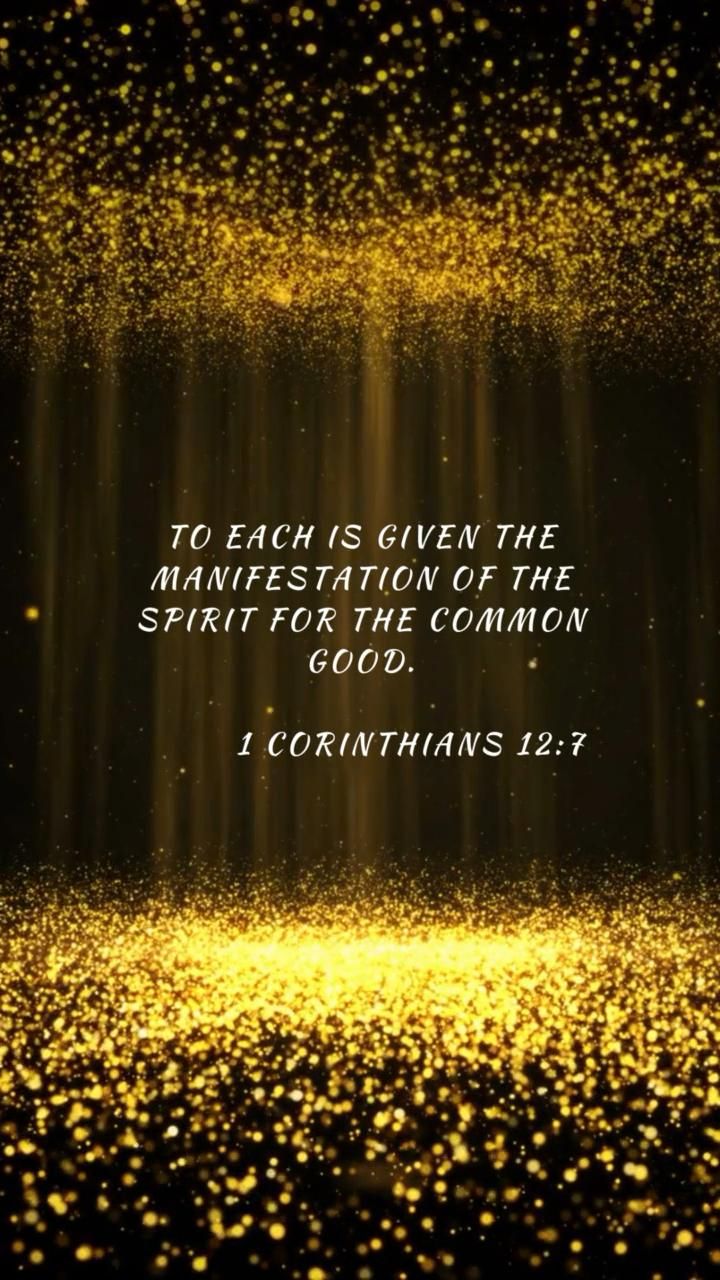
Manifestation, a term often embraced in contemporary spiritual discourse, especially within self-help communities, holds a richer connotation when viewed through the lens of biblical scripture. In the realm of Christianity, the act of manifesting intertwines with faith, intention, and the divine promises made by God to His followers. This intricate relationship prompts us to explore what manifesting truly means in biblical terms and how it shapes our understanding of spiritual and material realities.
At its core, manifesting can be understood as the act of bringing forth desires or intentions into tangible reality. In biblical context, this concept aligns closely with the promises and faith that God extends to humanity. The underlying principle stems from the belief that God, in His omnipotence, is capable of fulfilling His promises—be they concerning personal aspirations or broader spiritual outcomes.
One of the most profound scriptural references regarding manifesting is found in the book of Mark 11:24, which states, “Therefore I tell you, whatever you ask in prayer, believe that you have received it, and it will be yours.” This verse encapsulates the essence of faith as an essential precursor to manifestation. It suggests that the act of believing—firmly and resolutely—precedes the actualization of one’s desires. Essentially, faith is the bridge connecting the spiritual realm to the material world.
Moreover, the concept of manifesting is imbued with the notion of divine alignment. When individuals seek to manifest their goals, they are not merely acting upon personal desires but are aligning themselves with God’s will. This alignment often demands introspection and a genuine heart posture. The biblical narrative posits that true desires stem not from self-interest alone but from a spirit-led yearning that seeks to glorify God and further His kingdom on earth. As expressed in Psalm 37:4, “Delight yourself in the Lord, and He will give you the desires of your heart.” Here lies an enlightening perspective: when one prioritizes their relationship with God, their aspirations align more closely with divine intentions.
Furthermore, the transformative nature of manifesting in the Bible encourages believers to focus on a paradigm shift. This shift fosters a deeper understanding of their role in partnership with God. Believers are invited to view challenges and aspirations as opportunities for growth, faith, and testimony. Such a perspective provokes curiosity about how our daily lives can reflect this transformational mindset.
This leads to the essential interplay between manifestation and action. The New Testament, particularly in the Epistle of James, emphasizes that faith without works is dead (James 2:26). This assertion implies that while manifestation begins internally with faith and belief, it must manifest outwardly through corresponding actions. If one truly believes in God’s promises, that belief will incessantly motivate them to pursue their goals proactively, thus allowing them to experience the fulfillment of those promises.
In addition, the concept of manifestation extends to the community of believers. The communal aspect of faith cannot be understated; prayers and intentions often resonate with collective energy. As believers gather, sharing their dreams and aspirations, they fortify one another’s faith, creating an environment ripe for divine manifestation. The narrative of the Early Church illustrates how collective faith paved the way for miraculous occurrences and fulfilled promises in the lives of believers.
In summary, manifesting in the biblical sense is not merely an exercise in wishful thinking but a profound expression of faith aligned with God’s divine will. It beckons a transformative journey grounded in belief, action, and community support. As individuals embark on this journey, they unlock the potential to bring their God-given desires to fruition, ultimately illuminating the intricate connection between the spiritual and material realms. This understanding invites believers to view their aspirations through a lens of faith, building a bridge between the seen and the unseen, and empowering them to step boldly into the fullness of what God has promised.

