

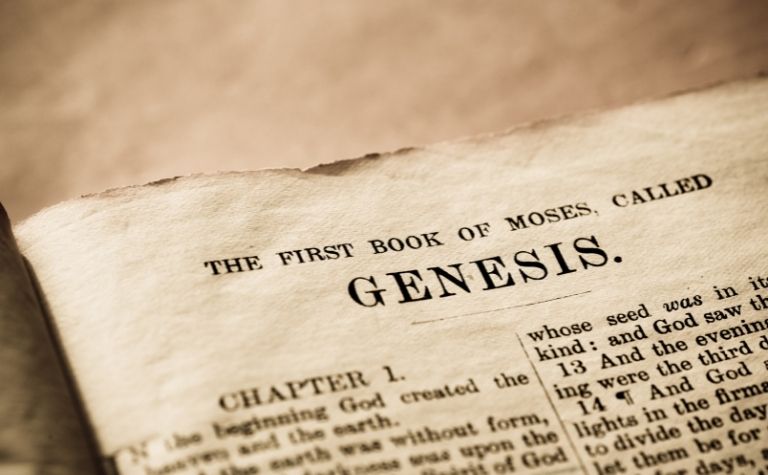
The Bible stands as one of the most revered texts in human history, encompassing a multitude of literary forms and genres. It is not merely a collection of spiritual guidance but a compendium of stories, laws, poetry, and philosophy that has shaped cultures and civilizations through the millennia. Within this vast tapestry lies a question that resonates with curiosity: What is the longest book in the Bible?
At first glance, one might hastily assume that the longest book would correspond to merely a metric of chapters or verses. However, the essence of what constitutes ‘length’ transcends these conventional bounds when we delve into the nuances of language, purpose, and narrative. On this exploratory journey, we adapt a multi-faceted approach, charting the contours of biblical literature while revealing profound insights about its longest composition.
Upon rigorous examination, the title of the longest book in the Bible falls to the Book of Psalms. This revered compilation consists of 150 distinct psalms, intricately woven together, making it exceptional not only in length but also in emotional depth and theological breadth. While other books may eclipse it in terms of sheer word count, Psalms is unparalleled in the intricacy of its themes: joy, lament, thanksgiving, and supplication.
To comprehend the significance of Psalms, we must first appreciate its composition and historical context. It is demonstrative of the human experience, capturing an array of sentiments that resonate deeply with our collective struggles and aspirations. This anthology of hymns and prayers is categorically diverse, ranging from individual petitions to communal praises. In essence, Psalms serves as a mirror reflecting the multifaceted nature of humanity’s relationship with the divine.
Examining the Structure of Psalms
Psalms is partitioned into five distinct books, a structural choice seemingly deliberate and laden with meaning. This division encourages readers to perceive the text not as a monolithic entity but as a dynamic progression through different stages of spiritual and emotional growth. Each book culminates in a doxology, highlighting the transition from one thematic exploration to the next, thus navigating through the sacred dimensions of worship, gratitude, and despair.
The first book (Psalms 1-41) introduces the reader to the dichotomy of the righteous and the wicked, establishing a foundation for understanding the human condition. The second book (Psalms 42-72) pivots towards communal laments and royal psalms, reflecting the socio-political realities of Israel’s history. The subsequent books continue this journey through varying landscapes of emotion and experience, culminating in an exaltation of praise in the final chapters.
Thematic Elements Arising from the Length
One might ponder, what do the myriad voices within Psalms teach us? The length of this biblical book is not merely a testament to its physical size; it symbolizes the complexity and richness of faith. Each psalm encapsulates a unique experience, offering a glimpse into the psyche of its author, whether in proclamations of faith, cries of despair, or articulations of hope.
This juxtaposition of human fragility and divine omnipotence invites readers to engage with their own faith narratives. In this way, the length of the Book of Psalms beckons us to reflect on the vast spectrum of our spiritual journeys, encouraging a dialogue between our internal turmoils and the solace we seek from a higher power.
The Role of Psalms in Religious Practices
Psalms has garnered much attention across various religious traditions, with each psalm often recited or sung in worship settings. The rhythmic quality of its verses is not incidental; it serves to facilitate memorization, foster communal engagement, and ultimately deepen one’s spiritual experience. The Psalms have been integrated into liturgies for millennia—an integral part of both Jewish and Christian worship practices, speaking to the universality of their message.
Furthermore, the interpretive diversity surrounding Psalms enriches its resonance across cultures. Different faith traditions have extrapolated myriad applications from the text, revealing its elasticity in addressing contemporary issues such as justice, oppression, and individual suffering. For instance, the Psalms of lament provide a powerful tool for addressing societal ills, proving that ancient texts can still speak to present-day injustices.
Cultivating a Personal Connection
The vastness of the Book of Psalms presents an opportunity for personal introspection. Each individual can uniquely identify with the plethora of emotions encapsulated within its verses. This personal resonance allows readers to navigate their own grief, joy, and perplexities through a spiritual lens. As the psalmists candidly express their experiences, readers are invited to articulate their frustrations, fears, and hopes—transforming isolation into a shared human experience.
In an age characterized by alienation and spiritual disconnection, the invitation to engage with the length and depth of Psalms can forge pathways to healing and understanding. By exploring the myriad voices of Psalms, one can glean wisdom, courage, and reassurance, propelling us toward a deeper holistic understanding of our faith.
Conclusion: The Enduring Significance of Length
In conclusion, the title of the longest book in the Bible may evoke more than just thoughts of measurement; it may inspire reflections on the profound complexity found within the human soul. The Book of Psalms embodies both breadth and depth, cultivating a robust theological landscape that invites exploration and introspection.
Thus, the inquiry into the longest biblical book unveils not merely a statistic but an invitation to dive deeper into the very essence of what it means to be human. Through the Psalms, we find not only the articulation of a divine relationship but also a collective tableau of our innermost longings and fears, ultimately bridging the eternal with the ephemeral.

