

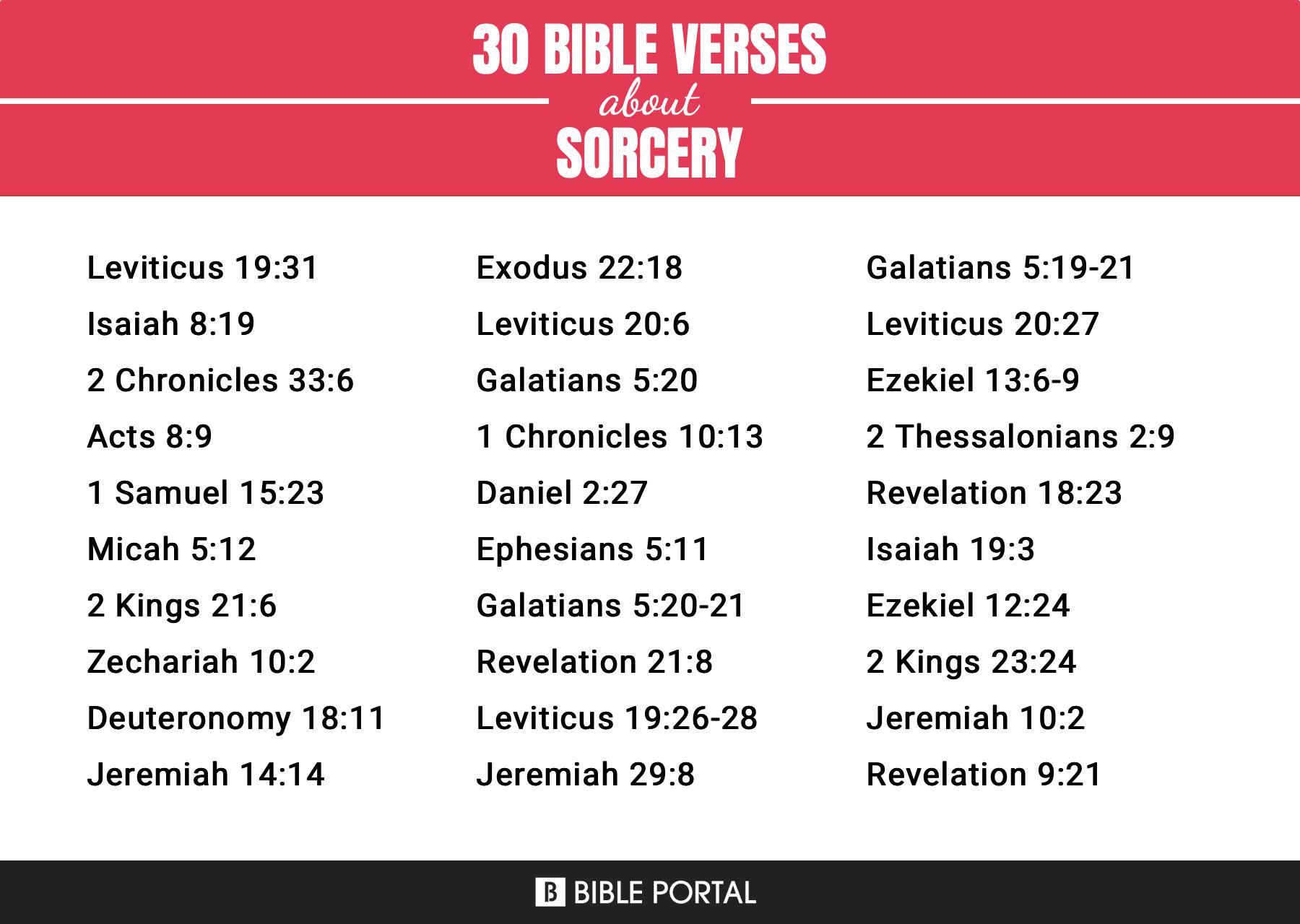
Sorcery, an ancient and multifaceted concept, reverberates through the pages of the Bible and serves as a topic rife with contention and debate. Its occurrences in Scripture invite intrigue, reflection, and caution. Within this exploration, we will unravel the different layers of sorcery as depicted in biblical narratives, the various forms it takes, and its implications not just for the faithful but for society as a whole.
The term “sorcery” itself conjures images of mystical practices, spells, and potions. However, in biblical text, it transcends mere supernatural theatrics. The original languages of the Bible—Hebrew and Greek—provide distinct words for sorcery. In Hebrew, we encounter “keshef,” denoting witchcraft or enchantment, while the Greek term “pharmakeia” connotes the use of drugs or potions for magical purposes. This linguistic backdrop reveals that sorcery, at its core, involves manipulation, both of natural elements and deeper human desires.
One of the primary texts addressing sorcery appears in the Old Testament, particularly in the book of Exodus. In Exodus 22:18, it states emphatically, “You shall not permit a sorceress to live.” This terse admonition signifies the severe consequences and societal repercussions attached to sorcery during that epoch. The ancient Israelites perceived sorcery not merely as harmless superstition but as a profound moral and spiritual degradation that undermined the community’s cohesion and fidelity to God.
The biblical context of sorcery often intermingles with idolatry. In places like Deuteronomy 18:10-12, various forms of divination, enchantment, and necromancy are explicitly condemned. Here, sorcery is portrayed as a betrayal—not only against fellow humans but, ultimately, against God Himself. The Israelites were called to be a people of faith, relying on the divine rather than succumbing to the allure of shadows and subtleties offered by sorcerers. Thus, sorcery represents a delineation between the path of righteousness and the descent into moral ambiguity.
Transitioning to the New Testament unveils a broader comprehension of sorcery’s implications. The term “witchcraft,” found in Galatians 5:20 as part of the “works of the flesh,” delineates its inclusion in a list of actions that alienate one from the community of believers. This extension to the New Testament era underscores that sorcery is not only an ancient concern but one that reverberates with ongoing relevance in new contexts. The presence of sorcery in the early Christian community reflects a persistent human instinct: the quest for power beyond the mundane, often leading to ethical dilemmas and communal strife.
Furthermore, the iconic figure of Simon Magus in the book of Acts serves as a poignant illustration. Simon, a Samaritan sorcerer, garnered local acclaim through miraculous feats, enticing many to follow him. However, when confronted with the genuine power of the Holy Spirit, Simon’s ambition reveals the heart of sorcery: an insatiable desire for control, prestige, and acknowledgment. This narrative cautions against the dangers of pursuing spiritual experiences rooted in self-interest rather than genuine devotion. The New Testament thus portrays sorcery as a façade that distracts from authentic faith and community.
Exploring the various permutations of sorcery in the Bible leads to significant philosophical inquiries. For instance, how does one reconcile the elements of sorcery with concepts of free will and determinism? Is engaging in sorcery a violation of ethical boundaries or merely a different understanding of the cosmos? The Bible’s resolute stance against it is clear, yet it opens doors for deeper conversations about belief systems, morality, and societal values.
Moreover, the historical contexts and implications of sorcery illuminate its influence on modern-day practices. In a world where the esoteric holds fascination—be it through astrology, witchcraft, or other occult practices—biblical perspectives provoke a reconsideration of what it means to tread the spiritual path faithfully. The charged dialogue surrounding sorcery emphasizes the intersection of ancient beliefs with contemporary societal dynamics, showcasing an enduring tension between the seen and the unseen.
As we traverse the multifarious landscape of sorcery, it becomes evident that its representation in biblical texts serves as both warning and enlightenment. It is a cautionary tale that beckons faithful adherents to reflect on their own entanglements with power, control, and the spiritual inclinations that guide their lives. Sorcery, far from being mere folklore or superstition, emerges as a formidable concept that invites scrutiny about loyalty to God, the influence of societal values, and the validity of personal desire.
In conclusion, sorcery in the Bible encapsulates a rich tapestry woven from narratives steeped in morality, community, and the quest for power. It invokes questions of integrity, warns of the shadows lurking behind retrospective glamour, and demands a renewed commitment to spiritual authenticity. As individuals grapple with both ancient scriptures and modern-day mysticism, the legacy of sorcery remains a vital element in understanding the human condition and our relationship with the divine.

