

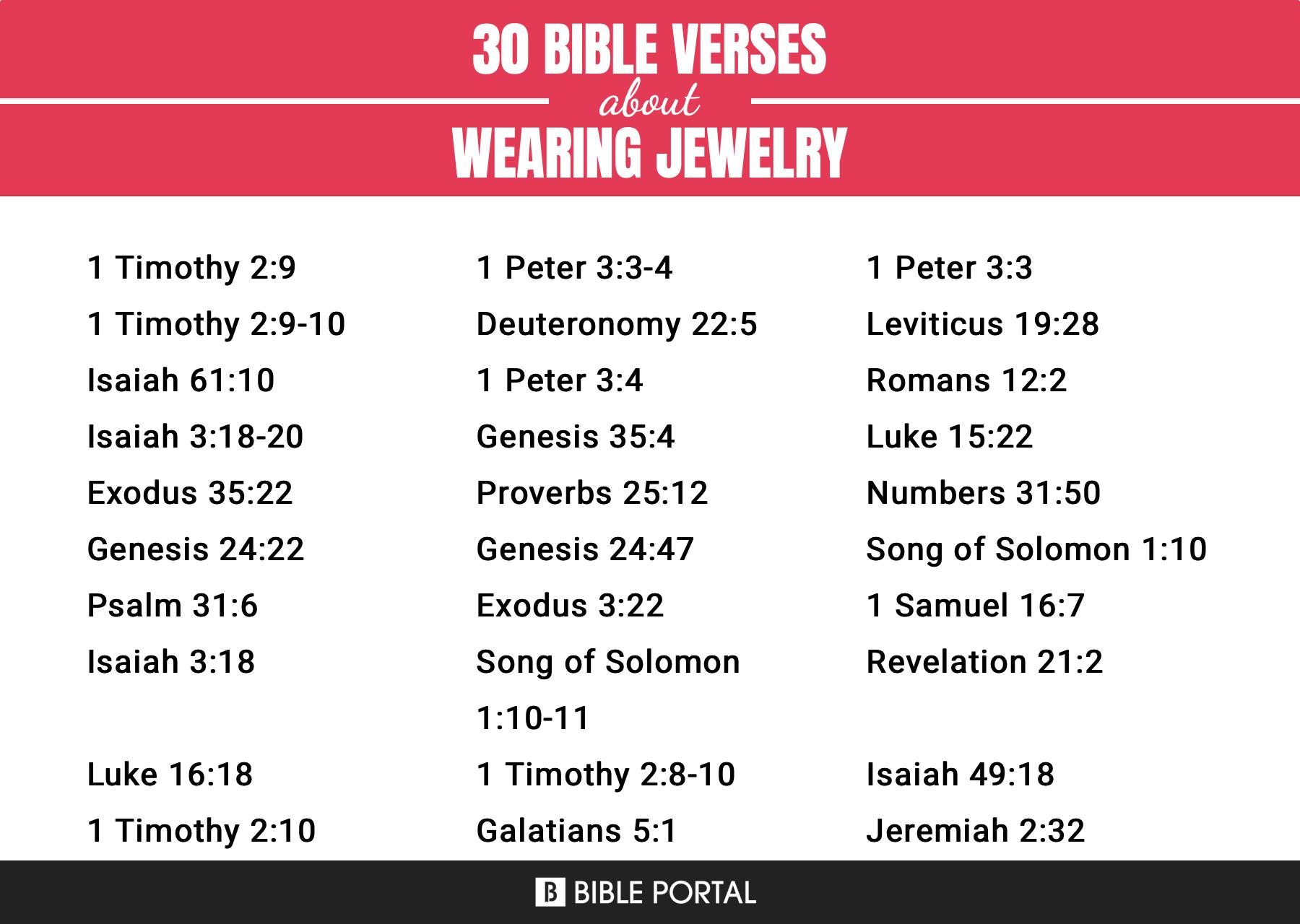
Jewelry has captivated humanity for centuries, and its presence is deeply woven into the fabric of various cultures. In exploring what the Bible says about jewelry, one encounters a rich tapestry of meanings, implications, and teachings that resonate with both historical and contemporary significance. This article delves into biblical references regarding jewelry, examining its symbolism, usage, and the moral considerations associated with adornment.
1. Symbolism of Jewelry in the Bible
Throughout biblical texts, jewelry serves as a potent symbol of beauty, wealth, and identity. It often represents the splendor of God’s creation, as noted in the descriptions of both divine and earthly adornments. For instance, in the Book of Exodus, the Israelites are instructed to adorn the tabernacle with precious materials, including gold and gems, signifying sanctity and divine presence. This celestial connection elevates jewelry from mere ornamentation to a representation of spiritual reverence and glory.
2. Types of Jewelry Mentioned
The scriptures enumerate various types of jewelry. These range from earrings and necklaces to rings and bracelets, each serving specific cultural roles. In Genesis, the story of Rebekah highlights the use of bracelets and nose rings as tokens of engagement, underscoring the tradition of exchanging jewelry to denote affection and commitment. Such narratives reveal how jewelry transcends adornment, often serving as a means of communication and relationship-building.
3. Contextual Interpretation of Jewelry
Understanding the biblical context is paramount when considering the stance on jewelry. In some instances, it symbolizes pride and excess, which can detract from spiritual devotion. In 1 Timothy 2:9-10, the Apostle Paul advises women to adorn themselves with modesty and good works rather than extravagant jewelry, emphasizing character over appearance. This perspective encourages believers to reflect on the motivations behind their adornment.
4. The Dual Nature of Adornment
Jewelry in the Bible embodies a dual nature, representing both the beauty of creation and potential vanity. In the Book of Isaiah, the Lord admonishes the people for their ostentatious display of finery while neglecting justice and righteousness. This tension invites readers to ponder the balance between appreciation for beauty and the perils of superficiality. Such reflections challenge individuals to evaluate their relationship with material possessions in light of their faith.
5. Contemporary Implications and Lessons
In modern society, the question of jewelry remains pertinent. As individuals contemplate adornment, lessons from biblical texts prompt a consideration of motives and values. Are jewelry choices expressions of personal style, or do they inadvertently convey messages about status and wealth? The teachings from the Bible serve as a thoughtful guide, advocating for intentionality and mindfulness in the adornment choices one makes.
6. The Role of Jewelry in Cultural Rituals
Jewelry is also integral to cultural and religious rituals, often marking significant life events. In many cultures, wedding rings symbolize enduring love and commitment, echoing the biblical theme of marriage as a sacred covenant. In exploring the function of jewelry within such contexts, one can appreciate its role in fostering community identity and continuity across generations.
Conclusion: A Reflection on Personal Meaning
In conclusion, the biblical discourse surrounding jewelry offers profound insights into human nature, spirituality, and societal values. While jewelry can adorn, it also bears the weight of responsibility, reflection, and intention. As individuals navigate the complexities of material expression, the teachings derived from scripture invite a pursuit of authenticity, reminding us that the heart’s intentions are as important as the adornments we choose. Ultimately, jewelry can serve as a medium for self-expression and an opportunity to embody deeper values, merging beauty with purpose.

