

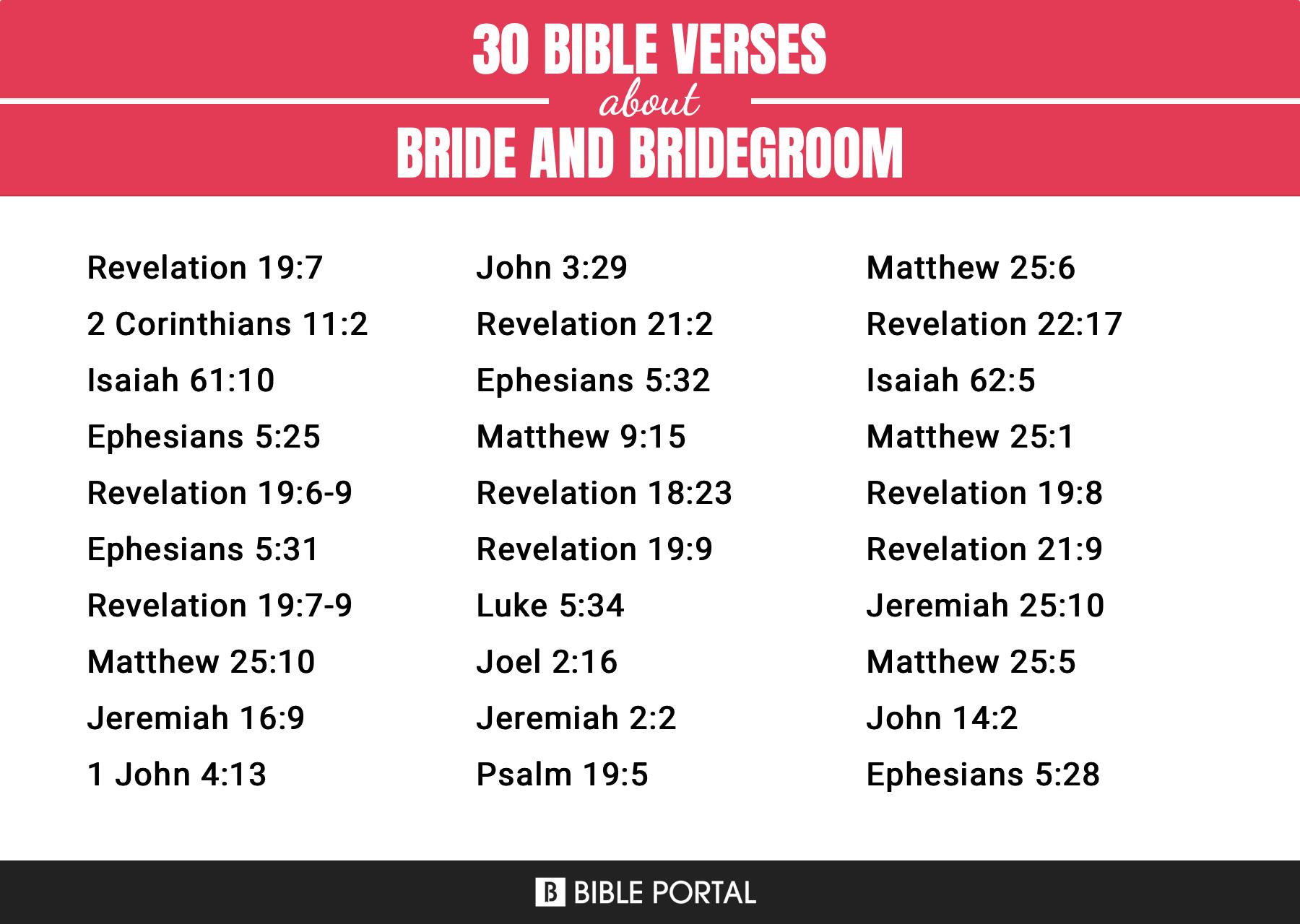
The term “bridegroom” carries profound significance within the pages of the Bible, evoking a rich tapestry of love, commitment, and divine promise. But what precisely does “bridegroom” mean in this sacred context? To unravel this query, one must delve into the multifaceted roles and depictions of the bridegroom in biblical narratives.
In a traditional sense, the bridegroom represents the groom in a marriage, a figure signifying love and fidelity. Yet, the biblical portrayal transcends mere matrimonial customs. It intricately intertwines the themes of covenant, redemption, and spiritual union.
To embark on this exploration, let us first contemplate the Old Testament’s portrayal of the bridegroom. In texts like the Song of Solomon, the bridegroom is depicted as an idealized figure, embodying romance and adoration. This poetic book captures the essence of love in its most passionate forms, where the bridegroom’s presence is celebrated with fervor and longing. Who could forget the beautiful imagery that invites readers to contemplate the beauty of love’s embrace? Such passages invite you to envision the bridegroom as a metaphor for God’s love toward His people, illustrating both human affection and divine connection.
Further, in the Old Testament, the relationship between Israel and God is often framed in marital terms. Consider the depiction of God as a husband and Israel as His bride. This marital covenant is pervasive throughout the prophets, underscoring the bridegroom’s role as a protector and provider. When Israel strays, God’s yearning for His people is likened to a heartbroken bridegroom. This rich symbolism speaks volumes about fidelity, divine pursuit, and the depth of commitment inherent in the bridegroom theme.
Transitioning to the New Testament, this portrayal evolves significantly with the introduction of Christ. In the Gospels, Jesus explicitly identifies Himself as the bridegroom. For instance, during a conversation about fasting, His disciples are reminded that when the bridegroom is present, celebration takes precedence (Mark 2:19-20). This sapient declaration hints at a transformative experience brought forth by His presence, establishing a new covenant that radically redefines the understanding of love and belonging.
Moreover, the parable of the Ten Virgins (Matthew 25:1-13) further elucidates the bridegroom’s significance, portraying a waiting period filled with anticipation. The arrival of the bridegroom signifies culmination and joy, while the absence of preparedness leads to despair. Herein lies a playful challenge: Are you prepared to recognize the bridegroom’s call in your life? This parable gently nudges one to reflect on personal readiness and spiritual vigilance.
In the realm of eschatology, the bridegroom emerges as a triumphant figure at the culmination of history. The Book of Revelation envisions a great wedding feast, wherein the church is regarded as the bride, ultimately joined with Christ, the eternal bridegroom. The symbiosis between the two highlights an ultimate communion, a divine union that reinforces the narrative of hope and redemption.
The implications of the bridegroom metaphor extend to believers today. The call to embody qualities of love, selflessness, and loyalty resonates deeply within the Christian faith. Just as the bridegroom of biblical text represents a sacred commitment, so too does every believer carry the responsibility to reflect those values in their own relationships.
As we ponder on these profound themes, one cannot help but marvel at the depth and richness encapsulated in the simple term “bridegroom.” It invites us into a deeper understanding of love and commitment, challenging us to consider how we respond to the divine invitation to join in this sacred union. Will you answer the call?

