

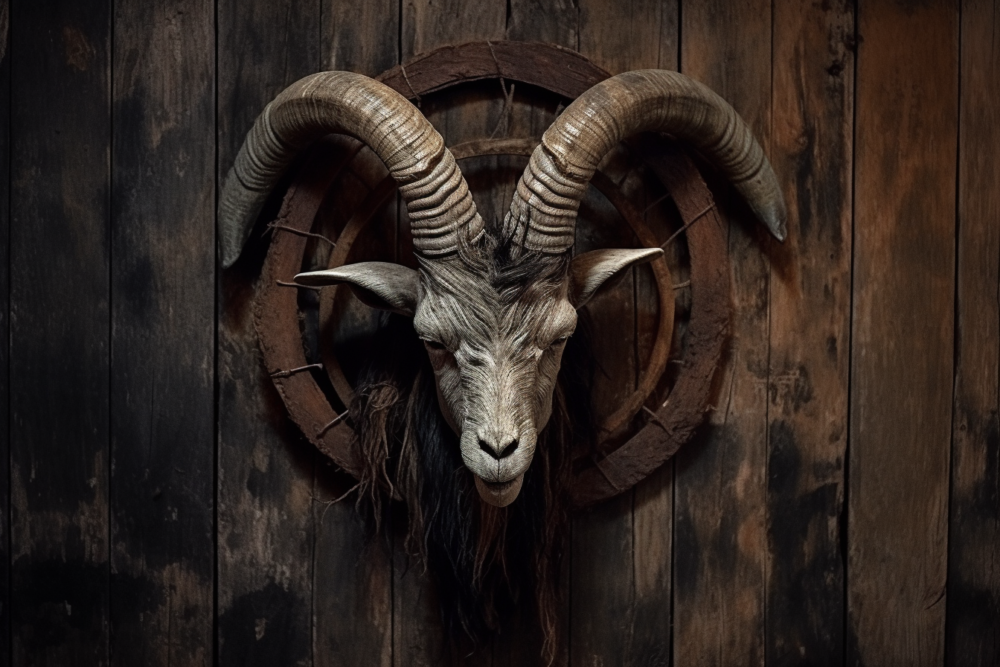
The goat, a creature often underestimated in its significance, graces the pages of the Bible with profound symbolism that invites us to ponder its deeper meanings. Have you ever paused to consider what a goat represents in biblical texts? This seemingly inconspicuous animal has woven itself into the very fabric of ancient narratives, serving as a vessel for complex teachings. Grasping the multifaceted symbolism of the goat may just challenge your preconceptions and ignite a new curiosity about biblical wisdom.
In the Bible, the goat embodies dual symbolism, with its portrayal often hinging on the context in which it appears. One of the most prominent representations of goats can be found in the Book of Leviticus. Here, the “scapegoat” is a powerful symbol of atonement. The ritual described in Leviticus 16 involves the high priest transferring the sins of the people onto a goat, which is then cast out into the wilderness. This act signifies the removal of sin and guilt from the Israelite community, illuminating the concept of redemption. The scapegoat thus represents not only the burdens of sin but also the hope of reconciliation with the divine.
Conversely, goats are also associated with wickedness and separation from God. In Matthew 25, during the parable of the sheep and the goats, Christ describes the final judgment where the faithful are likened to sheep, while the negligent are compared to goats. This imagery powerfully conveys the duality of human actions — the potential for both righteousness and waywardness. In this context, goats symbolize those who have neglected their spiritual duties, asserting the importance of living a life aligned with divine principles.
Moreover, the goat is emblematic of freedom and vitality in biblical imagery. In the pastoral setting of the Middle East, goats were revered for their hardiness and resourcefulness. They roamed freely, grazing on the sparse landscape, which offers a metaphor for spiritual exploration and the quest for wisdom. Just as goats navigate rugged terrains, individuals are called to traverse the challenges of life, seeking truth and understanding along the way.
Interestingly, the dual symbolism of goats invites us to engage in introspection. Are we living as sheep, guided by compassion and faithfulness, or do we find ourselves embodying the characteristics of goats, marked by self-serving tendencies and detachment from our spiritual path? This inquiry not only challenges us to reflect on our own lives but also encourages a deeper connection with biblical teachings.
The goat’s representation also extends to sacrifice. Throughout the biblical narrative, goats were often sacrificed in the Temple as part of religious rituals. This sacrificial act symbolizes submission, devotion, and the necessity of offering something valuable in the pursuit of a divine relationship. In this light, the goat epitomizes the sacrifice that is inherent to faith, encouraging believers to contemplate their own sacrifices in the journey of spiritual growth.
As we draw insights from the representations of goats in biblical scripture, we can discern vital lessons applicable to our daily lives. Whether as symbols of redemption, waywardness, vitality, or sacrifice, goats challenge us to navigate our existence thoughtfully. The playful question posed at the outset beckons us to examine our own spiritual journeys: what do you allow to lead you toward greater understanding? So, the next time you encounter a goat in the pages of the Bible, remember its complex symbolism and the call to embrace its teachings in your own life.

