

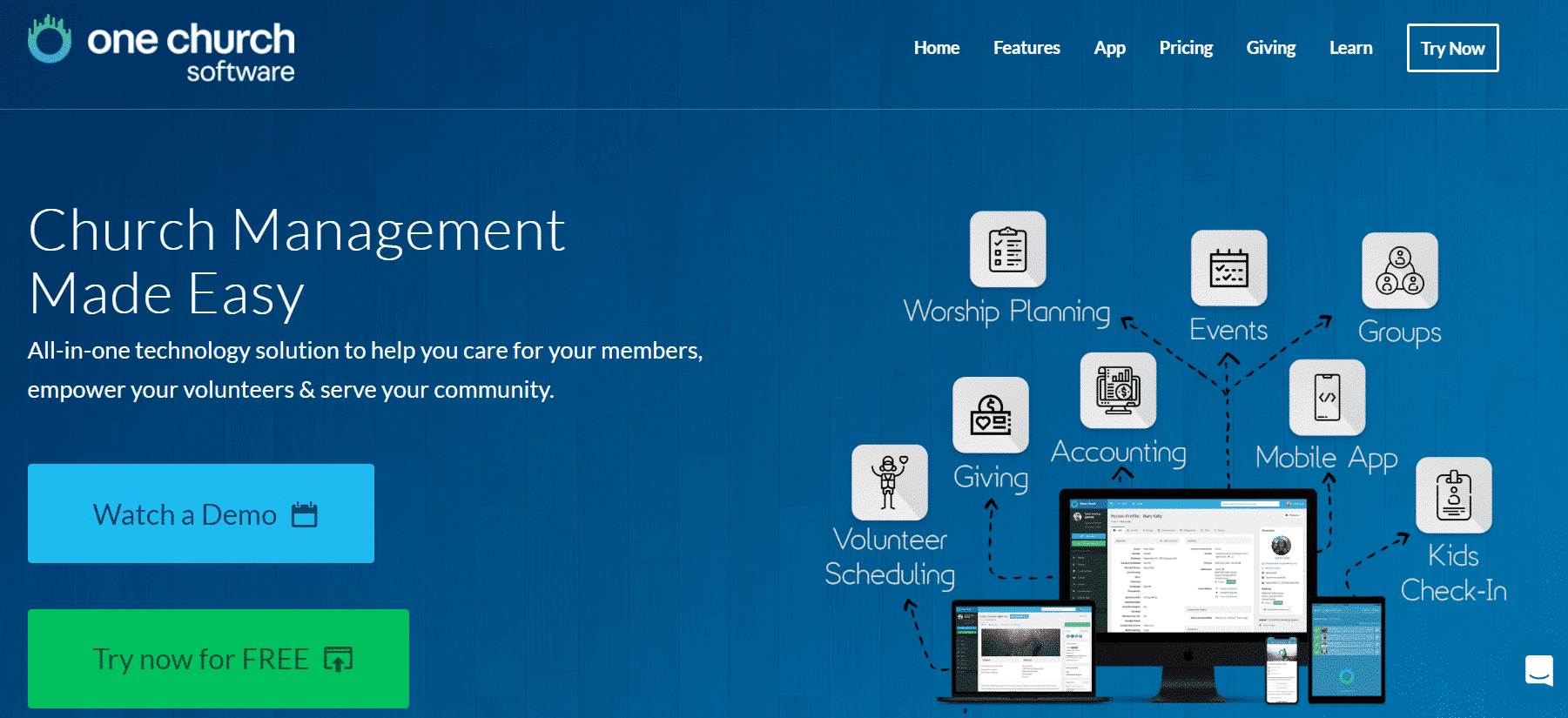
In the ever-evolving landscape of modern ministry, the heartbeat of a thriving church isn’t just found in its pews or pulpit—it’s embedded in the seamless orchestration of administrative precision and spiritual stewardship. As we stride toward 2026, the demand for church management software (ChMS) has transcended mere convenience; it has become the lifeblood of congregational vitality. Whether you’re shepherding a small parish or steering a megachurch toward digital enlightenment, the right software can transform chaos into clarity, inefficiency into inspiration, and administrative drudgery into divine purpose. Let’s embark on a journey through the most transformative church management solutions poised to redefine ministry in the coming years.
The Digital Pulpit: Why Church Management Software is the New Sanctuary
Gone are the days when a church’s operational backbone relied solely on spreadsheets, sticky notes, and the occasional divine intervention. Today’s ministry leaders require tools that not only streamline workflows but also amplify their mission. Church management software is no longer a luxury—it’s a strategic imperative. These platforms serve as the digital backbone, integrating everything from tithing and volunteer coordination to event planning and member engagement. In 2026, the most effective ChMS solutions will offer more than just automation; they will provide intuitive intelligence, leveraging AI to predict attendance trends, optimize sermon series planning, and even personalize outreach based on congregational data. Imagine a system that doesn’t just manage your church but understands it—where every click brings you closer to your community’s spiritual and logistical needs.
Small Flocks, Big Impact: Tailored Solutions for Intimate Congregations
For pastors leading small to mid-sized congregations, the quest for the perfect ChMS is often a balancing act between functionality and affordability. The ideal software for these ministries should feel like a bespoke suit—tailored to fit their unique rhythms without overwhelming them with superfluous features. In 2026, expect platforms like Shepherd’s Staff and Breeze to dominate this space, offering streamlined modules for donor management, small group coordination, and even sermon preparation. What sets these tools apart is their human-centric design; they prioritize ease of use, ensuring that even the least tech-savvy volunteer can navigate the system with grace. Additionally, cloud-based accessibility means that pastors can manage their flock from anywhere—whether they’re visiting a shut-in or leading a mission trip abroad. The future of small-church ChMS lies in simplicity without sacrifice, where every feature serves a purpose and no function feels extraneous.
Megachurches and the Art of Scalable Sanctuaries
On the opposite end of the spectrum, megachurches face a different kind of challenge: scalability without fragmentation. These behemoths of faith require systems that can handle thousands of members, complex multi-site operations, and high-volume transaction processing—all while maintaining a sense of intimacy. Enter platforms like Planning Center and ACS Technologies, which are evolving to meet the demands of 2026’s digital-first congregations. These systems don’t just manage data; they orchestrate experiences. Features like automated check-in kiosks, AI-driven sermon analytics, and real-time volunteer scheduling ensure that every attendee feels seen, even in a sea of faces. The key innovation here is modular scalability—the ability to add or subtract functionalities as the church grows or pivots. For megachurches, the right ChMS isn’t just a tool; it’s a multi-site nervous system, synchronizing every ministry arm into a cohesive, spirit-led whole.
Beyond the Offering Plate: Financial Stewardship in the Digital Age
Tithing and donations are the lifeblood of any ministry, but in 2026, financial stewardship will extend far beyond the Sunday offering plate. Modern ChMS platforms are integrating cryptocurrency donations, recurring micro-giving, and even AI-driven financial forecasting to help churches plan for the future with confidence. Tools like Pushpay and Tithe.ly are leading the charge, offering seamless payment processing, donor analytics, and automated thank-you communications. But the most forward-thinking solutions will go a step further by incorporating ethical investment tracking and impact reporting, allowing churches to demonstrate transparency in how funds are stewarded. The message is clear: in the digital age, generosity isn’t just about receiving—it’s about responsible, data-informed giving.
The Volunteer Ecosystem: Mobilizing the Body of Christ
A church’s greatest asset isn’t its budget or its building—it’s its people. Yet, mobilizing volunteers remains one of the most persistent challenges in ministry. In 2026, ChMS platforms will revolutionize volunteer management by transforming it from a logistical headache into a community-building engine. Imagine a system that not only tracks shifts and skills but also matches volunteers with opportunities based on their passions and availability. Platforms like Ministry Platform and Church Community Builder are pioneering this approach, integrating gamification elements to reward engagement and foster a culture of service. The result? A more connected congregation where every member feels valued—and where burnout is replaced by purposeful participation.
Worship and the Algorithm: Personalizing the Spiritual Journey
For many churches, worship is the cornerstone of their ministry—but personalizing the experience for every attendee is a daunting task. Enter the era of algorithmic worship curation. By 2026, ChMS platforms will leverage machine learning to analyze attendance patterns, sermon feedback, and even social media engagement to tailor worship experiences. Tools like WorshipTrac and Resi are already experimenting with features that suggest hymns, sermon topics, and even service times based on congregational preferences. The goal isn’t to replace the Holy Spirit’s guidance but to amplify it—ensuring that every worshipper leaves feeling spiritually nourished and personally connected. The future of worship isn’t just about the music; it’s about meeting people where they are, both spiritually and technologically.
Security and Sanctity: Protecting the Flock in a Digital World
With great digital power comes great responsibility—and in 2026, cybersecurity will be non-negotiable for churches. The rise of online giving, member databases, and digital communication has made churches prime targets for data breaches and cyberattacks. The most robust ChMS platforms will prioritize end-to-end encryption, multi-factor authentication, and compliance with GDPR and CCPA to safeguard sensitive information. But security extends beyond technology; it’s about cultivating a culture of trust. Churches must ensure that their software providers adhere to the highest ethical standards, protecting not just data but the sacred trust placed in them by their congregants. In a world where privacy is increasingly scarce, the church’s commitment to security becomes a testament to its integrity.
The Hybrid Horizon: Blending Physical and Digital Ministry
The pandemic accelerated the adoption of digital ministry, but in 2026, the most successful churches will master the hybrid model—seamlessly blending in-person and online engagement. ChMS platforms will evolve to support live-streamed sacraments, virtual small groups, and AI-powered chatbots for pastoral care. Tools like StreamYard and Zoom for Churches are already paving the way, but the next generation of ChMS will integrate these functionalities into a unified ecosystem. The result? A church that doesn’t just adapt to change but thrives within it, reaching congregants wherever they are—whether in the sanctuary or on their smartphones.

