

Starting a church financial plan can feel like stepping into a labyrinth of numbers, hopes, and holy ambition. What if your congregation could turn every dollar into a ripple of purpose that stretches far beyond the sanctuary walls? Yet, how do you navigate this fiscal maze without losing the spiritual heartbeat that binds everyone together? The challenge lies in marrying visionary mission with pragmatic budgeting, ensuring that every cent fuels ministry while honoring the generosity of the faithful.
Clarify the Core Mission and Vision
Before any spreadsheet is opened, the church leadership must articulate a clear, concise statement of purpose. This mission becomes the north star that guides every financial decision. Ask the senior pastor, council members, and key volunteers: “What ministries are we called to expand? Which outreach endeavors are non‑negotiable?” The answers will form a strategic hierarchy, allowing resources to flow toward activities that echo the congregation’s deepest convictions.
Conduct a Comprehensive Financial Census
Picture a snapshot of the church’s monetary landscape. Gather data on all income streams—tithes, offerings, grants, rental income, and fundraising events. Simultaneously, catalogue every expense: utilities, staff salaries, maintenance, program supplies, and mission trips. Use a simple ledger or a dedicated church accounting software to tabulate these figures. A thorough census reveals the existing margin, highlights hidden liabilities, and uncovers opportunities for diversification.
Set SMART Goals and Prioritize Needs
Goals should be Specific, Measurable, Achievable, Relevant, and Time‑bound. Translate the mission into short‑term targets (e.g., increase general fund giving by 5 % in six months) and long‑term aspirations (e.g., launch a community food pantry within three years). Rank each goal by urgency and impact, then allocate a portion of the budget to each line item. This prioritization prevents the common pitfall of spreading funds thin across too many initiatives.
Draft a Detailed Budget Blueprint
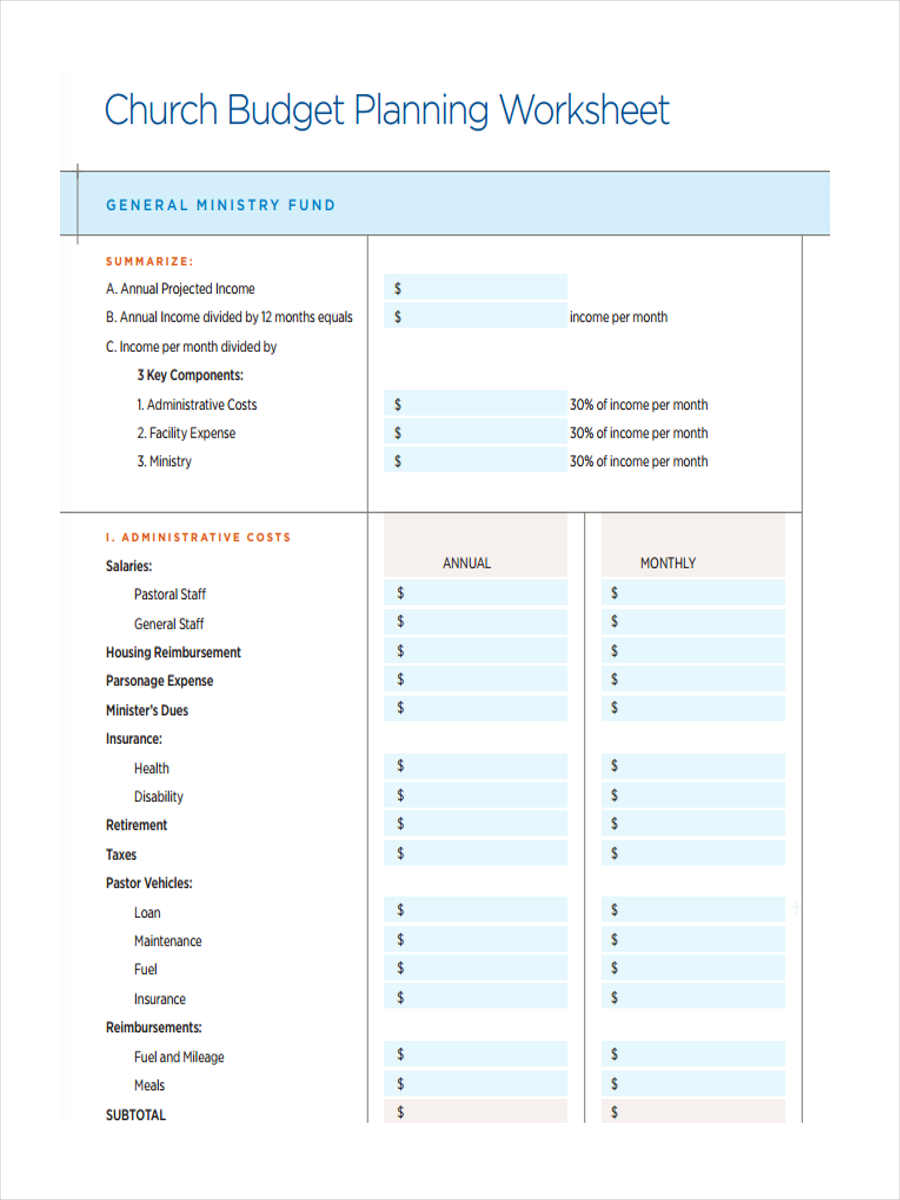
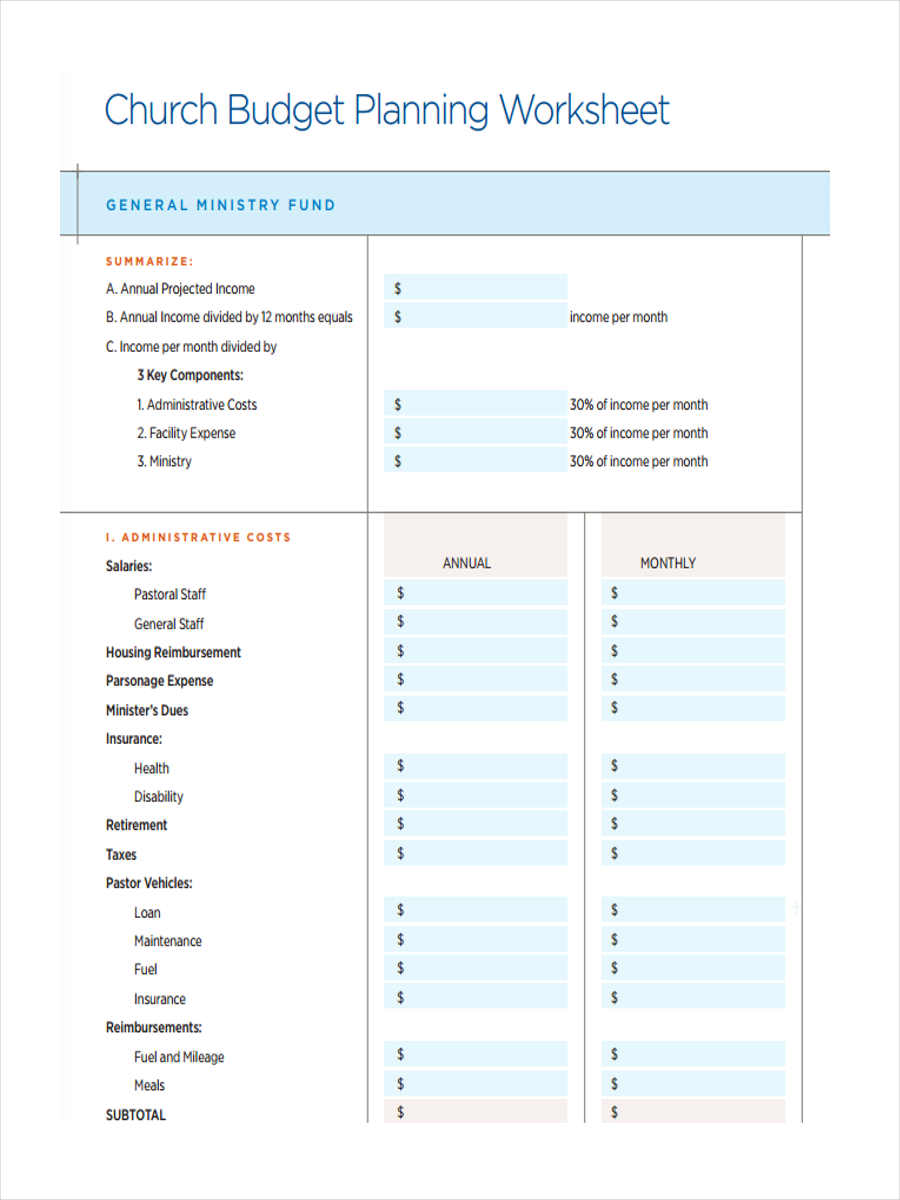
A budget is more than a list of numbers; it is a narrative of anticipated ministry. Break the budget into categories: worship, education, community outreach, facilities, and administration. For each category, allocate a realistic amount based on historical data and projected growth. Include a contingency reserve—typically 5‑10 % of the total budget—to buffer against unexpected expenses. Transparency is key; make the draft available to the finance committee for review and feedback.
Implement Robust Tracking and Reporting Mechanisms
Even the most carefully crafted budget can veer off course without consistent monitoring. Deploy church management software or a cloud‑based spreadsheet that records receipts, invoices, and weekly offering summaries. Establish a monthly reporting cycle where the treasurer presents variance analyses to the leadership team. This practice not only catches overruns early but also fosters accountability and trust among the congregation.
Build and Protect an Emergency Reserve
Life is unpredictable, and churches are not immune to crises—be it a sudden roof repair or a pandemic‑driven drop in giving. An emergency reserve acts as a financial safeguard. Aim to set aside three to six months of operating expenses in a separate, accessible account. By naming this fund “the resilience fund,” you reinforce its purpose: preserving ministry continuity when unforeseen challenges arise.
Engage the Congregation with Transparent Communication
Money matters can feel secretive if not handled with care. Host quarterly town‑hall meetings where you share the financial health of the church, celebrate milestones, and invite questions. Use visual aids—charts, infographics—to illustrate income versus expenditures. When members see exactly how their contributions fuel specific programs, generosity often flourishes.
Schedule Regular Audits and Continuous Improvement
An annual audit by an independent CPA provides credibility

