

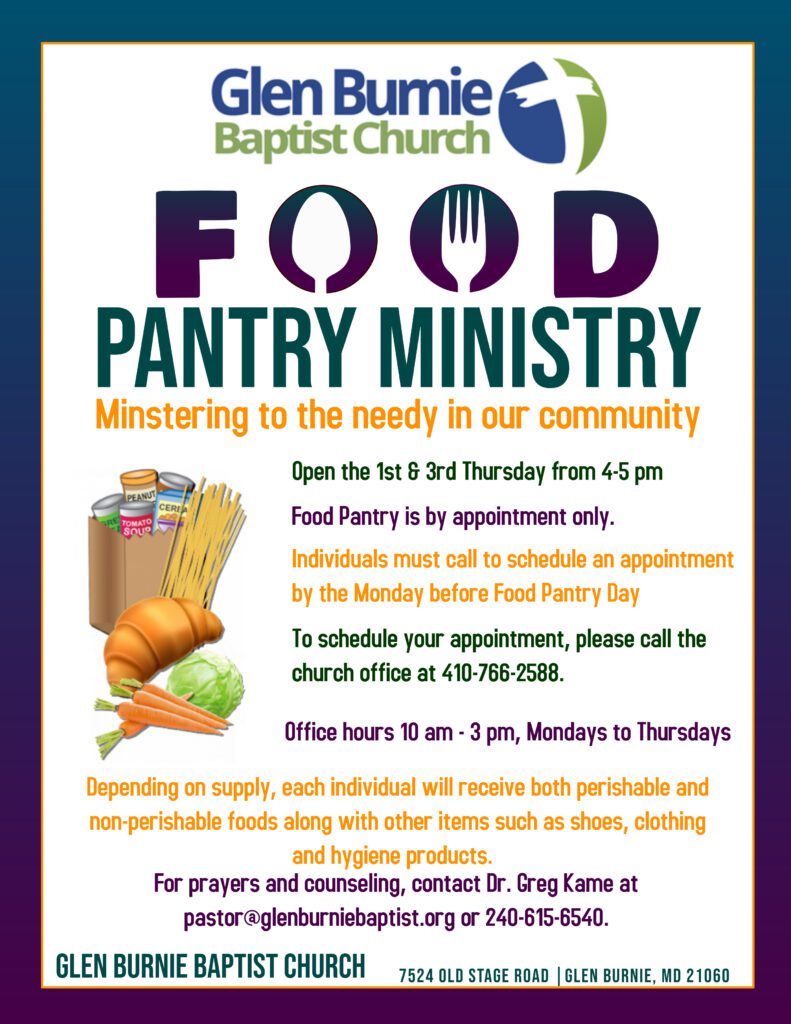
Starting a church food bank is more than a charitable venture—it is a covenant of compassion that weaves together faith, community, and practical stewardship. By establishing a dedicated pantry, a congregation can channel its spiritual fervor into tangible sustenance for neighbors in need, creating a ripple of hope that extends far beyond the church doors.
Defining the Vision and Purpose
Before sketching a blueprint, articulate the core mission. Ask yourself: What spectrum of hunger will we alleviate? Will we focus solely on non‑perishables or expand to fresh produce, hot meals, or nutrition education? A clear purpose aligns volunteers, attracts donors, and sets measurable goals. Use phrasing such as “holistic alimentary succor” to evoke a nuanced commitment that respects both body and spirit.
Conducting a Community Needs Assessment
A data‑driven approach ensures resources are deployed where they matter most. Survey local households, partner with social services, and map food deserts. Identify prevalent dietary restrictions, cultural preferences, and seasonal fluctuations. This empirical foundation informs inventory selection, prevents waste, and cultivates trust among beneficiaries.
Legal Foundations and Tax‑Exempt Status
Formalize the initiative by registering as a nonprofit, securing an Employer Identification Number (EIN), and applying for 501(c)(3) status if applicable. Consult an attorney to draft bylaws that delineate governance, liability, and conflict‑resolution mechanisms. Tax‑exempt classification unlocks grant funding and encourages charitable contributions.
Cultivating Partnerships and Alliances
Synergy amplifies impact. Forge relationships with local farms, grocery chains, food manufacturers, and community organizations. Leverage gleaning programs to source fresh produce, and collaborate with schools for nutrition workshops. Joint ventures also distribute logistical burdens—shared transportation, refrigerated storage, or volunteer coordination.
Mobilizing Financial Resources
Diversify funding streams to ensure longevity. Host fund‑raising events such as harvest dinners, benevolence auctions, or “blanket runs” where congregants donate blankets in exchange for meals. Pursue grants from foundations, government nutrition programs, and corporate social responsibility budgets. Transparent bookkeeping and regular financial reports sustain donor confidence.
Recruiting and Training Volunteers
Volunteers are the heartbeat of any food bank. Craft a recruitment strategy that appeals to diverse skill sets—logistics coordinators, nutritional educators, prayer warriors, and administrative assistants. Implement a structured onboarding program covering safety protocols, client interaction etiquette, and the theological underpinnings of service. Recognize contributions through testimonials, appreciation gatherings, and symbolic tokens.
Establishing Physical Infrastructure
Select a location that balances accessibility and sustainability. Ideally, situate the pantry within the church’s annex or a nearby community hall with ample parking. Install shelving units, climate‑controlled storage for perishables, and a clean, welcoming client intake area. Design spaces that reflect dignity—soft lighting, private consultation nooks, and culturally relevant décor.
Procurement, Storage, and Inventory Management
Streamline acquisition through a combination of donations, purchasing agreements, and surplus redistribution networks. Adopt a robust inventory system—digital spreadsheets, barcode scanning, or dedicated software—to track quantities, expiration dates, and distribution patterns. Conduct routine audits to minimize spoilage and ensure compliance with health regulations.
Distribution Strategies and Client Engagement
Choose a distribution model that suits community dynamics. Options include “client‑choice” pantries, where families select items, or “prep‑packed” boxes for rapid disbursement. Incorporate a brief intake interview to understand specific needs, and offer ancillary services such as budgeting workshops or spiritual counseling. Encourage feedback via surveys to refine offerings continuously.
Outreach, Education, and Spiritual Nourishment
Beyond food, provide educational content that empowers self‑sufficiency. Host cooking demonstrations, nutrition seminars, and garden projects that teach sustainable food practices. Embed scriptural reflections that connect the act of sharing bread with the broader narrative of grace. Use newsletters, social media, and bulletin announcements to disseminate success stories and upcoming events.
Monitoring, Evaluation, and Continuous Improvement
Establish key performance indicators: pounds of food distributed, client satisfaction scores, volunteer hours, and cost‑per‑meal ratios. Conduct quarterly reviews, solicit stakeholder input, and benchmark against regional food banks. Data‑driven insights illuminate gaps, celebrate milestones, and guide strategic adjustments.
Sustainability, Scaling, and Legacy
Long‑term viability hinges on diversified revenue, adaptive leadership, and community ownership. Develop a succession plan that mentors emerging leaders, ensuring institutional memory. Encourage the formation of advisory councils that blend lay expertise with pastoral guidance. As the food bank matures, explore satellite locations, mobile pantry units, or partnerships with faith‑based networks beyond the initial congregation.
By intertwining practical logistics with heartfelt devotion, a church food bank becomes a beacon of hope—a living testament to the belief that every meal shared is a step toward a more compassionate world.

