

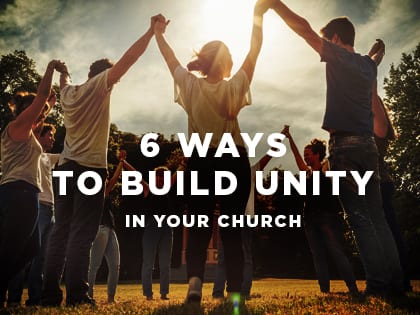
In the heart of every thriving congregation lies an invisible thread—one that weaves together diverse souls into a tapestry of shared purpose. Church unity isn’t merely a lofty ideal; it’s the lifeblood of spiritual vitality, the silent force that transforms fractured pews into a fortress of faith. Yet, achieving this sacred cohesion demands more than wishful thinking—it requires a meticulously crafted campaign plan, a roadmap that turns abstract aspirations into tangible reality. If you’re ready to shatter the illusion of division and ignite a movement of collective belonging, this guide will illuminate the path forward.
The Foundation: Diagnosing the Fractures Before Laying the Bricks
Before drafting a single campaign slogan or scheduling a unity service, pause and listen. The first step isn’t to impose unity but to uncover its absence. Conduct candid conversations with congregants across generations, roles, and backgrounds. Are there unspoken grievances simmering beneath the surface? Do cliques form like impenetrable silos, or do theological debates overshadow the shared mission? Use surveys, small-group dialogues, and even anonymous feedback to map the emotional topography of your church. This isn’t about assigning blame—it’s about identifying the chasms that need bridging. Remember, unity isn’t the absence of conflict; it’s the presence of a shared heartbeat that transcends it.
Vision Casting: Painting a Future Where “They” Becomes “We”
A campaign without a compelling vision is like a ship without a rudder—drifting aimlessly toward no destination. Craft a rallying cry that doesn’t just sound good but feels inevitable. Instead of vague platitudes like “Let’s all get along,” articulate a vivid picture: “Imagine a church where the elderly mentor the youth, where newcomers are embraced before they even sit down, where worship isn’t a performance but a communal exhalation of praise.” This vision must be so magnetic that even the most skeptical congregant feels the gravitational pull toward it. Use storytelling—real testimonies of reconciliation, parables of unity from Scripture—to make the abstract tangible. The goal? To make unity feel less like a duty and more like a discovery.
Leadership Alignment: When the Pulpit and the Pews March in Sync
Unity campaigns crumble when leadership sends mixed signals. Pastors, elders, and ministry leaders must embody the change they preach. If the pulpit declares “We are one body,” but the leadership team operates in silos, the congregation will mirror the disconnect. Host a leadership retreat focused solely on modeling unity—role-playing conflict resolution, sharing personal struggles with pride, and committing to transparent communication. Leaders must also become the chief storytellers of the campaign, weaving the vision into sermons, meetings, and casual conversations. When the shepherds lead with humility and harmony, the flock will follow.
Structural Reinforcement: Rebuilding the Scaffolding of Community
Institutions, like buildings, require intentional architecture to stand. Audit your church’s structures—from small groups to volunteer teams—and ask: Do they foster connection or competition? Replace rigid hierarchies with fluid networks where members can cross-pollinate ideas. Introduce “unity catalysts”—volunteers trained to spot and diffuse tensions before they escalate. Rethink seating arrangements during services to break up cliques. Even the language matters: swap “our ministry” for “our church’s ministry” to shift focus from ownership to stewardship. Small tweaks in structure can yield seismic shifts in culture.
Cultural Alchemy: Transmuting Division into Shared Purpose
Culture isn’t built by policy; it’s forged in the fires of shared experience. Design rituals that force people out of their comfort zones. Host a “Reverse Offering” where congregants serve the ushers instead of the other way around. Organize a “Unity Fast” where different demographics pray together for 24 hours, breaking bread and sharing burdens. Create a “Common Thread” project, like a quilt or mural, where each person contributes a piece symbolizing their unique story. These aren’t gimmicks—they’re alchemical processes that transmute individualism into interdependence. The goal is to make unity feel less like a program and more like a pilgrimage.
Conflict as Catalyst: Harnessing Tension for Transformation
Conflict isn’t the enemy of unity; unaddressed conflict is. Train your congregation in “redemptive confrontation”—the art of addressing disagreements with grace and truth. Host workshops on biblical peacemaking, using Jesus’ teachings on reconciliation as the blueprint. When tensions arise, pivot from damage control to discipleship. Frame conflicts as opportunities to practice humility, patience, and forgiveness. The most unified churches aren’t those without disagreements but those that treat conflict as a crucible for deeper unity. Teach your people to ask: “What is this tension teaching us about our need for each other?”
Measurement and Momentum: Tracking the Invisible Threads
What gets measured gets managed—and what gets managed gets improved. Track metrics beyond attendance numbers: Are newcomers staying beyond their first visit? Are small groups diversifying demographically? Are conflicts resolved faster than they arise? Use storytelling as a metric too—collect and share anecdotes of unity in action. Celebrate small wins publicly to build momentum. But remember, numbers alone won’t sustain a movement. The real indicator of success is whether the congregation starts to see itself not as a collection of individuals but as a living organism, where each member’s pain and joy ripple through the whole.
The Ripple Effect: When a Church’s Unity Becomes a Beacon
The impact of a unity campaign extends far beyond the church walls. A united congregation becomes a magnet for seekers, a sanctuary for the weary, and a testament to the power of the gospel. When outsiders witness a community that loves despite differences, they don’t just see a church—they see a glimpse of heaven. But the greatest reward isn’t external validation; it’s the quiet joy of a people who’ve discovered that their strength lies not in uniformity but in their shared humanity. This is the promise of a well-crafted unity campaign: not just a temporary truce, but a transformation that echoes into eternity.

