

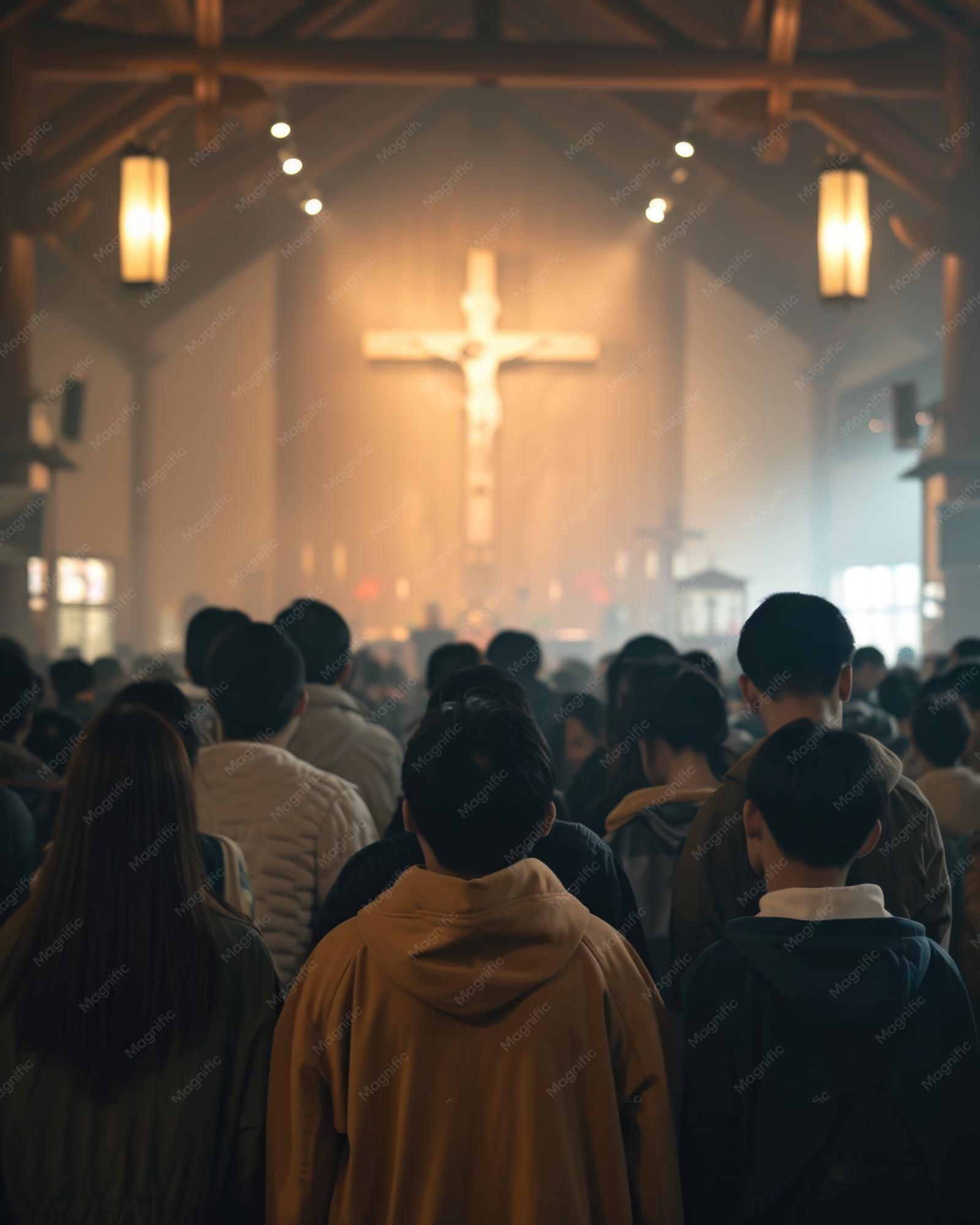
When the solemn echo of a hymn meets the silent click of a shutter, something transcendent occurs: faith finds a new visual language, and the sanctuary becomes a stage for both devotion and artistry. Church and photography, each capable of stirring the soul, intertwine to capture moments that might otherwise dissolve into the amber glow of candlelight.
The Sacred Frame: Why Church Photography Matters
In a world where images travel at the speed of light, the church stands as a bastion of stillness. Photographers who step into this hallowed space are tasked with more than mere documentation; they must translate the ineffable into pixels. A well‑composed shot can reveal the texture of stone, the curve of an arch, the glint of a chalice, all while preserving the reverent atmosphere that defines worship. Such images serve as visual psalms, offering believers a tangible reminder of grace.
Playful Light: Capturing Divine Moments
Light inside a church often behaves like a living character. It pours through stained‑glass panes, casting kaleidoscopic mosaics onto pews, and drapes across the altar in soft, aureate streamers. The photographer learns to chase these fleeting luminosities, adjusting ISO and aperture in sync with the liturgy. The resulting photographs are not static records; they become dynamic narratives where each burst of candescence tells a story of hope.
Posing the Question: Is the Camera a Barrier or a Bridge?
One cannot help but wonder: can a camera ever truly capture the whisper of the Holy Spirit, or does it merely skim the surface of the sacred? The question playfully pries at the heart of every photographer’s dilemma—whether the presence of a lens might distance worshippers from authentic prayer or, conversely, invite a deeper contemplation of visual devotion.
A Challenge in the Nave: Balancing Reverence and Creativity
This tension births a compelling challenge. Photographers must navigate the delicate etiquette of sacred spaces while exercising artistic freedom. The challenge lies in preserving sanctity, respecting congregational privacy, and yet seizing those ephemeral moments that illuminate faith in motion. The solution often lies in a respectful dialogue with clergy, an understanding of liturgical rhythms, and a willingness to remain unobtrusive, allowing the spirit to speak first.
Technical Considerations: Light, Lens, and Composition
Technical mastery is the backbone of effective church photography. A wide‑angle lens can embrace the grandeur of vaulted ceilings, while a fast prime lens excels in low‑light conditions without sacrificing clarity. Composition, meanwhile, draws from classical iconography—centering the crucifix, framing the choir, or using leading lines formed by rows of pews to guide the eye toward the altar. The interplay of these elements creates images that feel both reverent and dynamically composed.
Ethical Perspectives: Respect, Privacy, and Consent
Beyond the technical, an ethical compass guides the craft. Capturing congregants in prayer requires informed consent, especially during intimate rites such as baptism or communion. Photographers who honor these boundaries earn trust, allowing the visual narrative to flourish without intrusion. In this way, the camera acts as a respectful observer, not an intrusive voyeur.
Storytelling Through the Lens: Narrative Elements in Church Photography
Every photograph within a church can be a chapter in a larger visual narrative. By sequencing images—perhaps from the lighting of candles to the raising of hands—one can craft a visual sermon that mirrors the progression of worship. The interplay of still and moving elements (through techniques like panning) can suggest the rhythm of chants, inviting viewers to sense the temporal flow of the service.
Post‑Processing: Enhancing Spiritual Atmospheres
Post‑processing offers a subtle means to heighten spiritual ambience without distorting reality. Gentle contrast adjustments can deepen the shadows where incense lingers, while a soft desaturation can evoke a timeless, numinous quality. Over‑processing risks creating a sterile gallery; the goal is to accentuate the divine glow that already exists within the architecture.
Conclusion: A Visual Psalm
Church photography, when approached with reverence, curiosity, and technical finesse, becomes more than a documentation exercise—it transforms into a visual psalm, a hymn rendered in light and shadow. By balancing playful inquiry with a disciplined challenge, photographers can capture the fleeting, transcendent moments that define faith, offering enduring images that speak to the soul long after the final amen.

