

When two congregations decide to walk a shared path, the act of merging feels like a pilgrimage into unknown territory—filled with hope, apprehension, and the promise of a richer communal spirit. It is a moment when sacred traditions meet, and a new story begins to unfold.
Defining the Vision: Why Merge?
Before any paperwork is signed, leaders must articulate a compelling “why.” Is the goal to preserve a dwindling flock, to broaden mission impact, or to pool resources for deeper outreach? A clear vision acts as a compass, directing every subsequent decision. In narrative terms, this vision becomes the opening chapter of a story that will later be written by the merged community.
Discerning Cultural Synergy
Each church carries its own liturgical cadence, theological accent, and interpersonal rhythm. Effective navigation requires a careful appraisal of these cultural undercurrents. Think of it as a synergetic harmony: one congregation may favor contemplative hymnody, while another thrives on exuberant praise. Mapping these differences—through surveys, joint worship experiences, and honest conversations—helps identify where values intersect and where bridging may be needed.
Legal and Governance Foundations
The structural scaffolding of a merger is often governed by a tangle of ecclesiastical law and civil statutes. Securing a trusted legal advisor who understands nonprofit and church corporate bylaws is essential. This stage involves drafting a merger agreement, clarifying the status of assets, liabilities, and the newly formed entity’s governance hierarchy. The process, though meticulous, ensures that the spiritual mission is protected by a robust legal framework.
Financial Mapping and Stewardship
Money can be a source of tension or a catalyst for generosity. A transparent financial audit of both congregations reveals hidden strengths and liabilities. Budget projections should account for combined operational costs, potential redundancies, and the development of shared ministry programs. By employing stewardship language that emphasizes communal benefit rather than individual gain, leaders can turn financial data into a story of providence.
Communication Strategies for Congregants
Effective communication is the thread that weaves together disparate narratives. From the moment the intention is announced, regular town‑hall meetings, newsletters, and informal coffee hours can demystify the process. Using metaphors that resonate with both flocks—journey, bridge, tapestry—helps people visualize the merger as a collaborative adventure rather than a forced assimilation.
Leadership Integration and Role Redefinition
People often anchor their identity in familiar roles. Merging leadership teams therefore demands a delicate choreography. Identify core competencies, allow for role flexibility, and encourage a culture of mutual mentorship. When a senior pastor from one congregation mentors a younger leader from another, the exchange becomes a living parable of interdependence.
Timeline and Milestones: A Roadmap to Unity
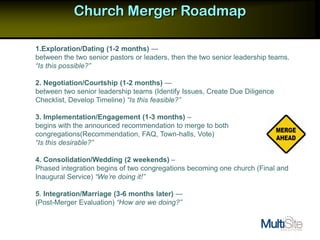
A merger rarely happens overnight. Construct a realistic timeline that delineates phases: initial discernment, due diligence, legal formation, integration of worship schedules, and eventual celebration of the new community. Milestones—such as the first joint communion or a combined service project—serve as tactile markers of progress, offering celebratory moments that reinforce collective momentum.
Post-Merger Care: Nurturing the New Community
Once the papers are filed, the real work begins. Post‑merger care involves monitoring spiritual health, addressing unresolved conflicts, and continuously affirming the shared mission. Small group ministries, shared retreats, and ongoing feedback loops can sustain the nascent unity. In this ongoing narrative, every act of kindness or shared prayer becomes a stitch that fortifies the fabric of the newly formed congregation.
Common Pitfalls and How to Avert Them
Even the most earnest mergers can falter if certain hazards are ignored. Rushed timelines, opaque finances, or dismissive attitudes toward minority traditions often spark disillusionment. To avoid these traps, embed accountability mechanisms—such as an independent ombudsman or regular stakeholder surveys. By confronting challenges head‑on and with humility, the community can transform potential setbacks into learning opportunities.
Conclusion: Embracing a Shared Future
Navigating a church merger is an act of faith translated into practical steps. It requires vision, cultural empathy, legal prudence, financial stewardship, transparent communication, adaptive leadership, a clear timeline, and sustained post‑merger nurturing. When these elements converge, the resulting community becomes more than the sum of its parts—it becomes a living testament to unity, purpose, and divine grace. The journey, though intricate, holds the promise of a richer, more resilient expression of Christian love.

