

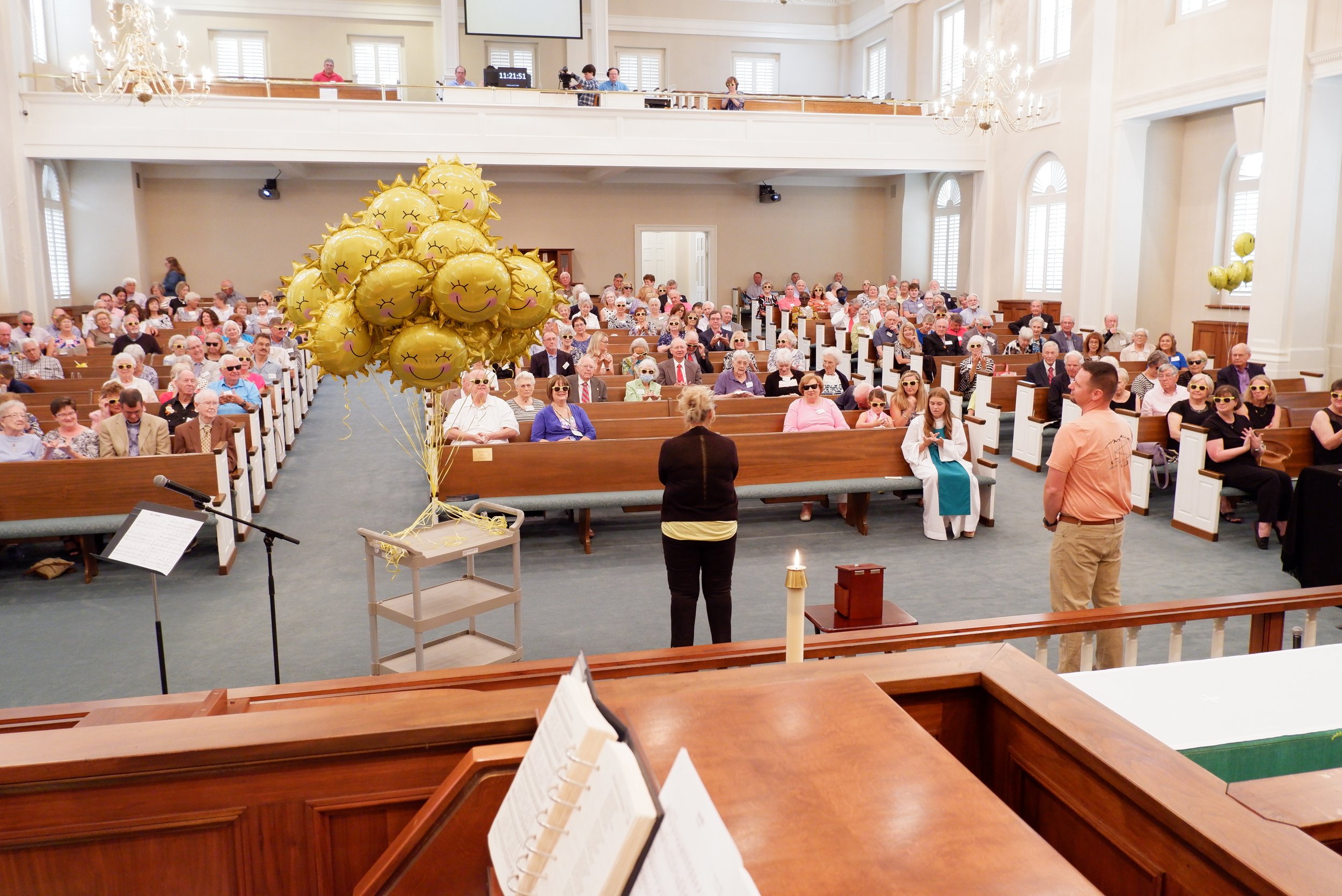
When two faith families decide to merge, the moment is more than a logistical transaction—it is a holy confluence that can reshape the spiritual landscape of a community. Celebrating a church merger is an invitation to witness the unfolding of a new narrative, to experience a collective epiphany, and to kindle curiosity about what shared hope can become. Below is a comprehensive guide that blends passion, storytelling, and practical steps, ensuring the celebration is both memorable and meaningful.
1. Embrace the Symbolic Significance
Before any planning begins, pause to recognize the deeper symbolism of the union. A merger is not merely an administrative consolidation; it is a living parable of reconciliation and grace. Let the congregation feel that the merger is a sacred covenant, a promise that divergent histories can coalesce into a single, radiant chorus. By naming this truth early, you set an overarching tone that will inform every subsequent decision.
Invite members to share stories of how their individual journeys have been shaped by the church. When these testimonies are woven together, the community senses a shared pilgrimage that transcends any single tradition.
2. Form a Collaborative Planning Team
Create a planning committee that mirrors the new, unified body. Include representatives from each former congregation, as well as musicians, artists, liturgical leaders, and logistical coordinators. This ensemble should operate as a micro‑cosm of the eventual merged community, practicing collaboration before the celebration even occurs.
Assign clear roles—such as “Story Curator,” “Hospitality Lead,” and “Tech & Media Supervisor”—so that responsibilities are transparent and each person feels a sense of ownership. Regular meetings, marked by prayer and reflection, will keep the team aligned with the spiritual vision.
3. Craft a Visionary Narrative
Develop a concise, evocative statement that captures the essence of the merger. Use language that both honors the past and beckons the future. A phrase like “From many waters, one river” can serve as a rallying cry, echoing through sermons, printed materials, and digital media.
Embed this narrative in all communications: newsletters, social media posts, and the welcome program. The story should be told in a way that piques curiosity, prompting members to ask, “What new ministry might arise from this unity?”
4. Design an Inclusive Liturgy
The worship service is the heart of the celebration. Blend elements from each tradition—hymns, prayers, scripture readings, and responsive chants—so that every attendee feels represented. Incorporate symbolic gestures, such as a lit candle passed from one congregation to the other, signifying the transfer of light and mission.
Consider a “Liturgical Confluence” where the congregation alternates between languages, musical styles, and liturgical forms. This rhythmic variety will keep the assembly engaged and will underscore that diversity enriches worship.
5. Incorporate Memory and Gratitude
Honoring the legacy of each merging church prevents the feeling of erasure. Create a “Memory Wall” where photographs, memorabilia, and brief testimonies are displayed. Invite long‑time members to speak briefly about milestones, challenges overcome, and answered prayers.
Offer a moment of silent gratitude, encouraging each individual to whisper a personal thank‑you to God for the journey that led them to this day. This practice cultivates a sense of reverence while acknowledging the past’s significance.
6. Engage the Community Through Hospitality
Extend a warm welcome beyond the church doors. Set up an welcome station with refreshments that reflect both cultures—perhaps a potluck featuring dishes from each tradition’s cuisine. Provide name tags that include a “heritage” field, so newcomers can see the rich tapestry behind each participant.
Encourage greeters to be ambassadors of curiosity, asking guests what they hope to experience from the merged congregation. Their answers can be recorded and later incorporated into a post‑event reflection, fostering ongoing dialogue.
7. Use Music, Art, and Technology to Amplify the Moment
Music is a universal conduit for emotion. Curate a setlist that juxtaposes traditional hymns with contemporary songs, perhaps featuring a blended choir that sings in harmony across genres. Consider commissioning a new anthem specifically for the merger, a piece that can become a future anthem for the

