

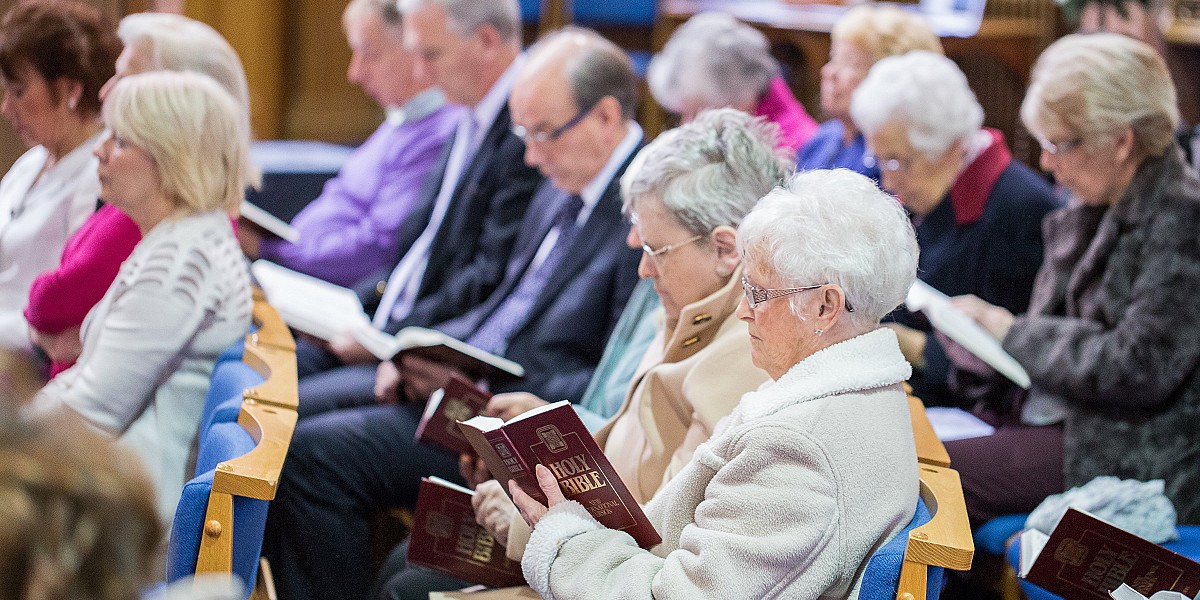
What if your congregation could embark on a journey where every page of the Bible becomes a shared adventure, a collective discovery, and a source of spiritual renewal? Imagine transforming passive listeners into active participants, where the sacred text isn’t just read but lived, debated, and celebrated together. A church Bible reading campaign isn’t just about flipping through pages—it’s about fostering a vibrant community where faith is nurtured through collaboration, curiosity, and camaraderie. But how do you ignite this spark without overwhelming your flock or turning the endeavor into a chore? Let’s unravel the secrets to crafting a campaign that resonates deeply, engages widely, and leaves a lasting imprint on your congregation’s spiritual landscape.
The Power of a Unified Vision: Why a Bible Reading Campaign Matters
At its core, a Bible reading campaign is more than a structured plan—it’s a communal heartbeat. When a congregation unites around a shared scriptural journey, it transcends individual devotion and becomes a collective pilgrimage. The Bible, after all, is not meant to be a solitary read; it’s a living dialogue between God and His people, and that dialogue flourishes in community. Yet, the challenge lies in making this vision tangible. How do you inspire a room full of diverse individuals—each with their own rhythms, commitments, and spiritual appetites—to synchronize their steps? The answer begins with clarity. Define the “why” with unshakable conviction. Is your goal spiritual growth? Deeper fellowship? A shared sense of purpose? Once the vision is crystalized, it becomes the North Star guiding every decision, from the campaign’s duration to the tools you’ll use to track progress.
Sparking Curiosity: The Art of Framing the Invitation
People don’t just join campaigns—they join stories. The most compelling invitations aren’t transactional; they’re transformational. Instead of a dry announcement about “reading the Bible in a year,” paint a picture of what’s possible. What if, by the end of the campaign, your congregation could recite Psalm 23 in unison? What if families could trace the lineage of Jesus together, from Abraham to Joseph? Frame the campaign as an odyssey, not an obligation. Use vivid language that stirs the imagination: “Imagine uncovering hidden gems in the Gospels that have never caught your eye before.” Or, “What if this year’s Bible reading becomes the catalyst for a spiritual awakening in our church?” The key is to make the invitation irresistible—not by guilt, but by the promise of revelation.
Breaking Down Barriers: Tailoring the Campaign to Diverse Needs
Here’s a playful yet poignant question: What if your most dedicated Bible scholar and your newest believer are both staring at the same passage… and neither feels equipped to engage? The beauty of a well-designed campaign is its ability to meet people where they are. For the seasoned reader, offer advanced study guides or thematic deep dives. For the curious newcomer, provide accessible devotionals or audio versions of the text. For families, create kid-friendly reflections or interactive activities. The challenge? Avoiding a one-size-fits-all approach that leaves some feeling sidelined. Consider offering multiple “tracks” within the campaign—perhaps a “Foundations” track for beginners, a “Depth” track for those hungry for more, and a “Community” track for those who thrive in group discussions. Flexibility isn’t just a feature; it’s a necessity.
Leveraging Technology: Tools to Keep the Momentum Alive
In an age where smartphones outnumber Bibles in some pews, digital tools can be the secret sauce to sustaining engagement. A dedicated app or online platform can serve as a hub for daily readings, discussion forums, and progress trackers. But technology isn’t just about convenience—it’s about connection. Imagine a leaderboard that celebrates milestones, or a “verse of the day” challenge that sparks friendly competition. The pitfall? Overcomplicating things. The goal isn’t to dazzle with features but to simplify the journey. Choose tools that are intuitive, accessible, and—most importantly—aligned with your congregation’s tech comfort levels. A well-designed app can turn solitary reading into a shared experience, where every “like” on a shared reflection feels like a virtual high-five.
Fostering Accountability Without the Guilt Trip
Accountability is the glue that holds a campaign together, but it’s a delicate balance. Too much pressure, and people retreat. Too little, and the campaign fizzles. The solution? Frame accountability as a gift, not a gage. Small groups, for instance, can become “tribes of encouragement,” where members check in weekly with a simple question: “What did you read this week, and what stood out to you?” The magic lies in the shared vulnerability. When someone admits, “I struggled with Leviticus,” the response isn’t judgment but curiosity: “What part felt heavy? Let’s wrestle with it together.” The challenge is to avoid making accountability feel like homework. Instead, position it as a lifeline—a way to stay connected to both the text and each other.
Celebrating Milestones: The Art of Recognizing Progress
Progress is a powerful motivator, but it’s often overlooked in spiritual disciplines. A Bible reading campaign should be punctuated with celebrations—big and small. Completed a book of the Bible? Ring a bell during service. Hit the 30-day mark? Share a testimony in the bulletin. The key is to make these moments feel significant, not performative. Consider a “campaign journal” where participants can document their journey, or a “shelfie” challenge where families photograph their Bibles in creative settings. The challenge? Avoiding comparison. Not everyone will read at the same pace, and that’s okay. Celebrate the effort, not just the outcome. After all, the goal isn’t to finish the Bible in a year—it’s to let the Bible finish its work in you.
Overcoming the Doldrums: Keeping the Flame Alive
Every campaign hits a lull. The initial excitement wanes. Life gets busy. The challenge isn’t avoiding the doldrums—it’s navigating them with grace. Inject fresh energy by rotating discussion leaders, hosting guest speakers, or introducing thematic weeks (e.g., “Women of the Bible” or “Psalms of Lament”). The unexpected can reignite passion. What if you surprised your congregation with a “blind date with a book” night, where they drew a random passage to meditate on? Or a “reverse sermon” where the congregation shares insights from their readings instead of the pastor? The goal isn’t to manufacture hype but to keep the journey dynamic. After all, the Bible itself is a library of genres, tones, and emotions—why should your campaign be any different?
Measuring Success: Beyond the Numbers
It’s tempting to gauge a campaign’s success by completion rates or attendance at events. But the truest measure of impact is transformation. Did someone’s prayer life deepen? Did a family start praying together? Did a quiet member find their voice in a small group? These are the metrics that matter. The challenge is capturing them. Consider anonymous surveys, storytelling nights, or even a “fruit basket” where members drop notes about how the campaign has impacted them. The goal isn’t to pat yourself on the back but to let the campaign’s ripple effects guide your next steps. After all, the Bible isn’t just read—it’s lived.

