

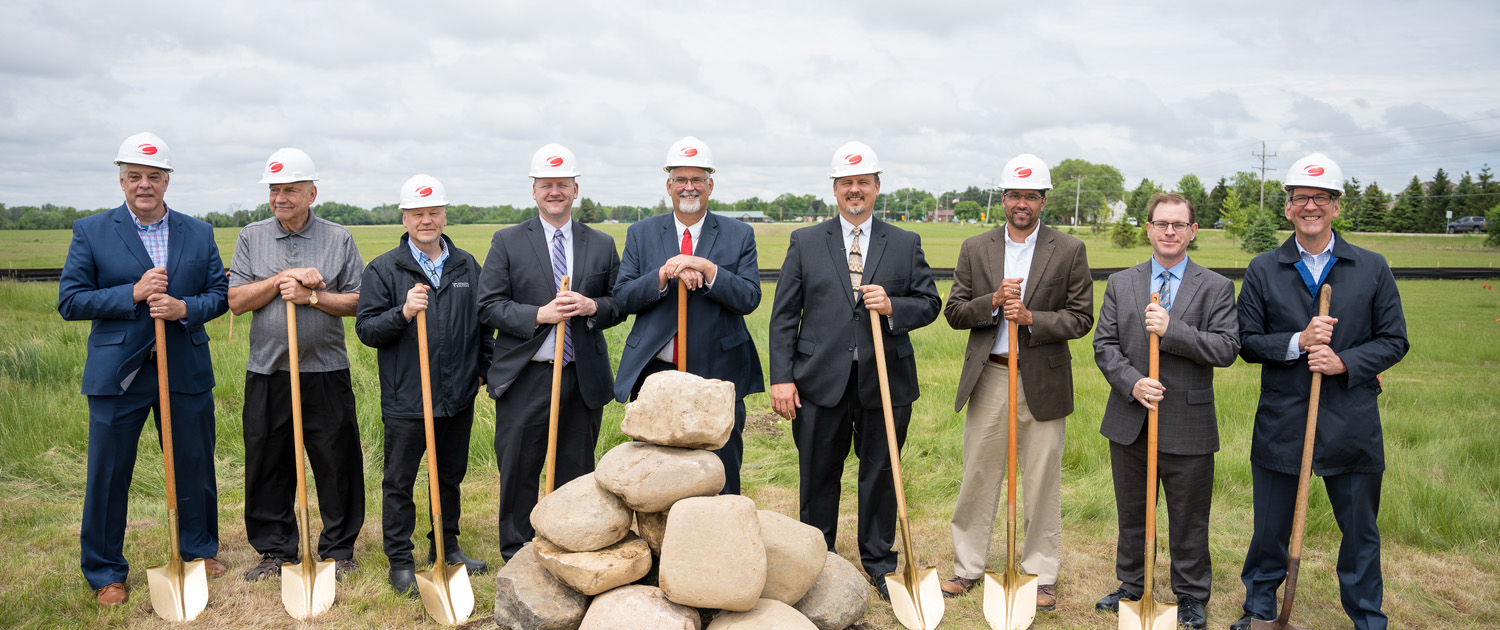
Choosing the right date for a church groundbreaking ceremony is more than a logistical decision—it’s a pivotal moment that sets the spiritual and communal tone for the entire construction journey. This sacred groundbreaking isn’t merely the first shovel of dirt; it’s a declaration of faith, a celebration of vision, and a promise of what’s to come. Yet, pinning down the perfect date requires far more than checking a calendar. It demands a blend of spiritual discernment, practical foresight, and an acute awareness of the community’s heartbeat. Whether you’re shepherding a small congregation or guiding a sprawling ministry, the date you select will ripple through every phase of the project, influencing attendance, fundraising, and even the symbolic resonance of the event itself.
The Spiritual Significance: Aligning with Divine Timing
Before penciling in a date, pause and consider the spiritual weight of the moment. Groundbreaking ceremonies are steeped in symbolism—earth, foundation, and new beginnings. Many faith leaders advocate for selecting a date that aligns with significant liturgical seasons, such as Advent or Lent, when themes of anticipation and renewal naturally resonate with the congregation. Others may look to biblical numerology, favoring dates that carry personal or communal significance, like the anniversary of the church’s founding or a milestone in the pastor’s ministry. Prayer and fasting often precede such decisions, as leaders seek divine confirmation that the timing is right. After all, this isn’t just about breaking ground; it’s about breaking ground *together*, in unity and purpose.
Seasonal Considerations: Weather, Travel, and Community Rhythms
Mother Nature doesn’t always cooperate with grand plans, and neither do the rhythms of community life. A groundbreaking in the dead of winter might save costs on catering but could deter elderly attendees or those with mobility concerns. Conversely, a spring ceremony risks competing with school graduations, spring break, or other local events. Summer, while popular, often clashes with vacation schedules, leaving pews half-empty. Fall offers a sweet spot—mild weather, post-summer energy, and pre-holiday calm—but it’s also prime time for weddings and other gatherings. The key is to audit your community’s calendar: poll the congregation, check local event listings, and even consult with neighboring churches to avoid scheduling conflicts. A well-chosen season ensures maximum participation and minimizes logistical headaches.
Logistical Mastery: Permits, Vendors, and the Unseen Details
Behind every flawless groundbreaking lies a web of unseen preparations. Permits must be secured weeks—sometimes months—in advance, especially in urban areas where construction regulations are stringent. Vendors, from caterers to sound technicians, need lead time to align their schedules with yours. If the ceremony will be livestreamed, technical crews must coordinate equipment and internet bandwidth. Even the humble porta-potty rental requires a reservation, lest you find yourself in a comical scramble the day of the event. Don’t overlook the small but critical details: Will there be adequate parking? Is the site accessible for those with disabilities? Are there nearby hotels for out-of-town guests? A groundbreaking date isn’t just a date—it’s a domino that sets off a cascade of dependencies. Map them out meticulously.
Financial Foresight: Budgeting for Impact and Longevity
Money talks, even in sacred spaces. The date you choose can dramatically influence your fundraising potential. A groundbreaking during a financial downturn or economic uncertainty might dampen enthusiasm, while a post-holiday surge in January could yield stronger donations. Some churches strategically time ceremonies to coincide with capital campaign launches, leveraging the momentum of the event to kickstart giving. Others opt for dates that align with fiscal years or budget cycles, ensuring that pledges and grants align with construction timelines. Consider, too, the long-term costs: a summer ceremony might require additional expenses for cooling stations or shade tents, while a winter event could demand heating solutions. The date isn’t just a marker on a timeline—it’s a financial lever that can amplify or diminish your project’s success.
Cultural and Historical Resonance: Honoring the Past, Embracing the Future
Every church has a story, and the groundbreaking date can either honor that story or rewrite it. Some congregations choose dates tied to historical milestones, such as the anniversary of the church’s first service or the founding of the denomination. Others select dates that reflect the cultural fabric of the community—perhaps a day when local traditions, like a harvest festival or a heritage celebration, are already drawing crowds. For multicultural congregations, the date might need to balance multiple cultural calendars to ensure inclusivity. The goal isn’t just to pick a day but to craft a moment that feels inevitable, as if the groundbreaking was always meant to happen on that exact date. When the community senses that resonance, attendance soars, and the event transcends mere ceremony to become a shared milestone.
Community Engagement: Turning Spectators into Participants
A groundbreaking ceremony isn’t a spectator sport—it’s a communal act of faith. The date you choose should invite participation, not just observation. Consider hosting the event on a weekend when families can attend together, or scheduling it during a time when local schools or businesses might close for the occasion. Partner with community organizations to co-promote the event, turning it into a unifying force. Think beyond the ceremony itself: could you organize a volunteer day the following weekend, where congregants help with initial site preparations? Or host a potluck picnic after the groundbreaking to foster fellowship? The date isn’t just a placeholder; it’s an opportunity to deepen engagement and transform attendees from passive observers into active contributors to the church’s future.
The Symbolic Gesture: Crafting a Moment That Stands the Test of Time
At its core, a groundbreaking ceremony is a symbolic act—a physical manifestation of faith, hope, and perseverance. The date you select should reflect that symbolism. Some churches choose dates that mirror biblical events, like the first day of creation or the resurrection, infusing the ceremony with layers of meaning. Others opt for dates that carry personal significance, such as the birthday of a beloved founding member or the day a key donor made their first major gift. The symbolism extends beyond the date itself: the time of day matters too. A sunrise ceremony can evoke themes of new beginnings, while an evening event might emphasize the light of Christ shining in the darkness. Whatever you choose, ensure the date resonates not just with the calendar but with the soul of the church.
Post-Ceremony Momentum: From Shovels to Steeples
The groundbreaking date isn’t just a starting line—it’s a catalyst for what comes next. The energy generated on that day should propel the project forward, keeping the congregation engaged and the vision alive. Choose a date that allows for a smooth transition into the next phase of construction, whether that’s breaking ground on the foundation or launching a fundraising push. Some churches use the ceremony as a springboard for a sermon series on faith and perseverance, while others host a follow-up event, like a “first brick” laying, to maintain momentum. The date you pick should leave room for these next steps, ensuring that the groundbreaking isn’t an endpoint but a beginning.

