

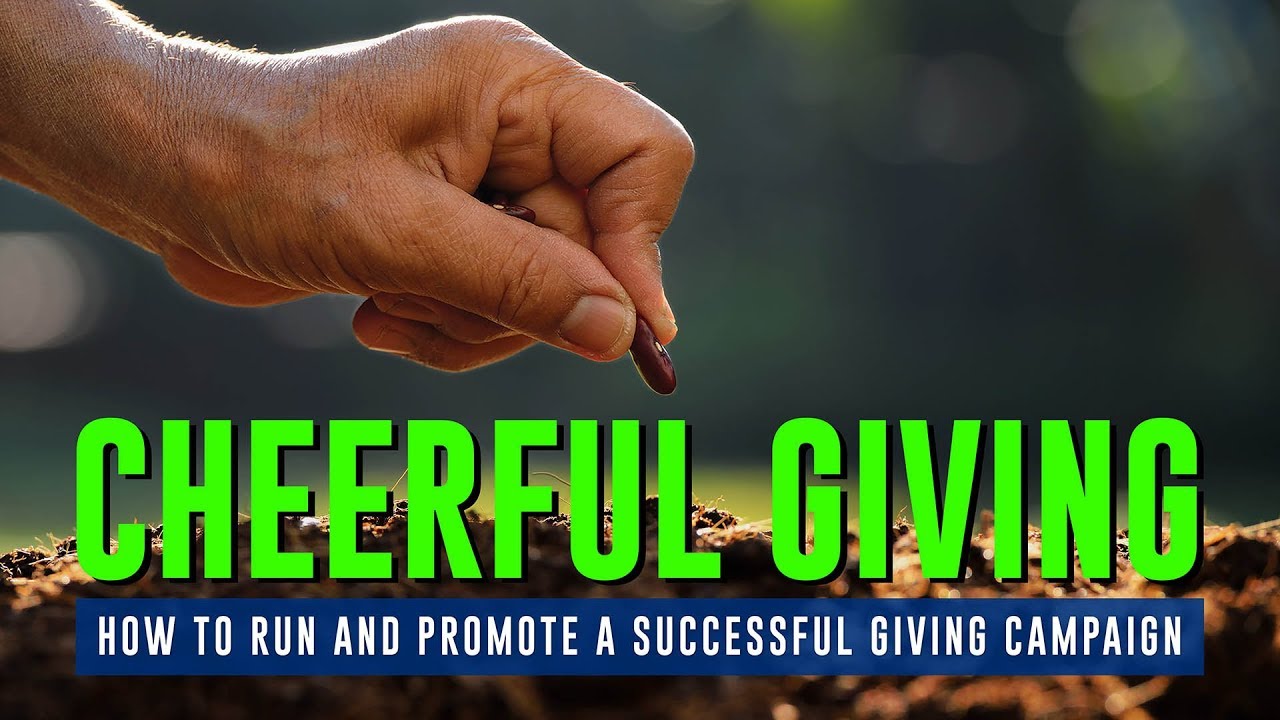
Imagine stepping into a sanctuary where the air hums with anticipation—not from the strains of an organ prelude, but from the quiet resolve of a congregation united by purpose. The final tally of your church’s giving campaign has just been revealed, and the numbers tell a story far richer than mere dollars and cents. This is the moment where vision meets reality, where the seeds of generosity sprout into tangible change. But how do you transform a successful campaign into a celebration that lingers in hearts and minds? The answer lies not in the grandeur of the reveal, but in the artistry of the aftermath.
The Prelude: Reflecting on the Journey Before the Revelation
Before the confetti falls and the hymns swell, pause. A giving campaign is more than a financial transaction; it’s a pilgrimage of faith. Gather your leadership team for a moment of sacred reflection. What stories emerged from the pulpit? Which testimonies of transformation moved the congregation to open their wallets and their spirits? These narratives are the heartbeat of your campaign, the unseen threads weaving through every pledge. Document them. Highlight them. Let them serve as the foundation for your celebration, for they are proof that generosity is not a transaction—it’s a testimony.
The journey of a giving campaign is often fraught with doubt. Will the goals be met? Will the congregation respond? But here’s the secret: the most powerful campaigns are not measured by the size of the gift, but by the size of the heart behind it. When you shift your focus from the ledger to the lives changed, the celebration takes on a new dimension. It becomes less about the numbers and more about the narrative—the story of a community daring to dream together.
The Grand Reveal: Crafting a Moment That Sticks
Now, the moment arrives. The day of reckoning. But how do you unveil the results in a way that feels less like an audit and more like a revelation? Think of it as a theatrical production, where every detail is meticulously designed to evoke awe. Begin with a moment of silence—a collective breath before the revelation. Then, let the numbers unfold like a grand tapestry, not in a dry recitation, but through visual storytelling. Use a large screen to display a timeline of the campaign, interspersed with photographs of volunteers, quotes from donors, and snippets of sermons that inspired action.
But here’s the twist: don’t just reveal the total. Break it down. Show how each dollar will be allocated—$X for the new community center, $Y for global missions, $Z for youth programs. When people see the direct impact of their generosity, the celebration transcends mere achievement. It becomes sacred. And don’t forget the power of surprise. If the campaign exceeded expectations, announce an unexpected bonus—perhaps an additional project funded by the surplus, or a celebratory event for the congregation. Surprise births joy, and joy is the currency of celebration.
Feasting on Gratitude: The Art of Acknowledgment
A celebration without gratitude is like a hymn without harmony—it misses the point entirely. The acknowledgment phase is where you turn donors into disciples of generosity. Start with the visible heroes: the volunteers who canvassed neighborhoods, the prayer warriors who interceded, the staff who worked tirelessly behind the scenes. Shower them with public thanks, but make it personal. Handwritten notes, small tokens of appreciation, or even a dedicated “thank you” segment in the next service can leave a lasting impression.
Then, turn your attention to the silent givers—the members who pledged but never sought the spotlight. Their contributions are the backbone of the campaign, and they deserve recognition just as fervently. Consider a “quiet hero” segment in your church bulletin or a social media shoutout. The goal isn’t to single anyone out, but to create a culture where generosity is celebrated, not just in the moment, but as a way of life.
And let’s not overlook the power of storytelling in gratitude. Invite a few donors to share, in their own words, what inspired their giving. Their testimonies will not only honor their commitment but will also inspire others to follow suit. Gratitude, when shared, becomes contagious.
The Ripple Effect: Turning Celebration into Catalyst
A celebration should never be an endpoint—it should be a launching pad. The energy of a successful giving campaign is a rare and precious thing, and it’s your job to harness it. Use the momentum to cast vision for what’s next. Will this campaign fund a new ministry? Launch a community outreach program? Whatever the next step, frame it as the natural progression of what’s already been achieved. Paint a vivid picture of the future, and invite the congregation to see themselves as co-creators of that vision.
But here’s where many churches stumble: they celebrate the past but fail to ignite the future. Don’t make that mistake. After the confetti settles, host a vision-casting session where members can share their own ideas for how the funds should be stewarded. This isn’t just about transparency—it’s about ownership. When people feel their voices matter, they’re more likely to remain engaged long after the campaign ends.
Consider, too, the external ripple effect. A giving campaign is a powerful witness to the community. Share the results not just within the church, but beyond its walls. A press release, a social media campaign, or even a local news feature can amplify the story of generosity, inspiring others to replicate the model. The celebration isn’t just for your congregation—it’s for the world to see what happens when faith and generosity collide.
The Legacy: Embedding Generosity into the Church’s DNA
Finally, the true test of a celebration’s impact is whether it leaves a legacy. Generosity isn’t a one-time act; it’s a rhythm, a heartbeat that should pulse through the life of the church. To ensure the spirit of the campaign endures, weave generosity into the fabric of your community’s identity. This means more than just annual appeals—it means creating a culture where giving is celebrated year-round.
Start with education. Host workshops or small group discussions on biblical stewardship, not as a guilt-inducing lecture, but as a joyful exploration of how generosity transforms lives. Share stories of impact—how the funds from the campaign are changing lives, one dollar at a time. Make generosity visible, tangible, and deeply personal.
And don’t forget the power of ritual. Consider instituting a tradition, like a “generosity Sunday” each year, where the congregation reflects on the past year’s giving and casts vision for the next. Or create a “legacy wall” in the church foyer, where donors can inscribe their names alongside the projects their gifts have funded. These small acts of remembrance reinforce the idea that generosity is not a sprint, but a marathon—a lifelong journey of faith and stewardship.
The celebration of a church giving campaign is more than a pat on the back. It’s an invitation to see generosity not as a duty, but as a privilege. It’s a chance to redefine what it means to give, to shift the narrative from obligation to opportunity. When done with intention, a celebration becomes a catalyst—a spark that ignites a fire of generosity, lighting the way for years to come.

