

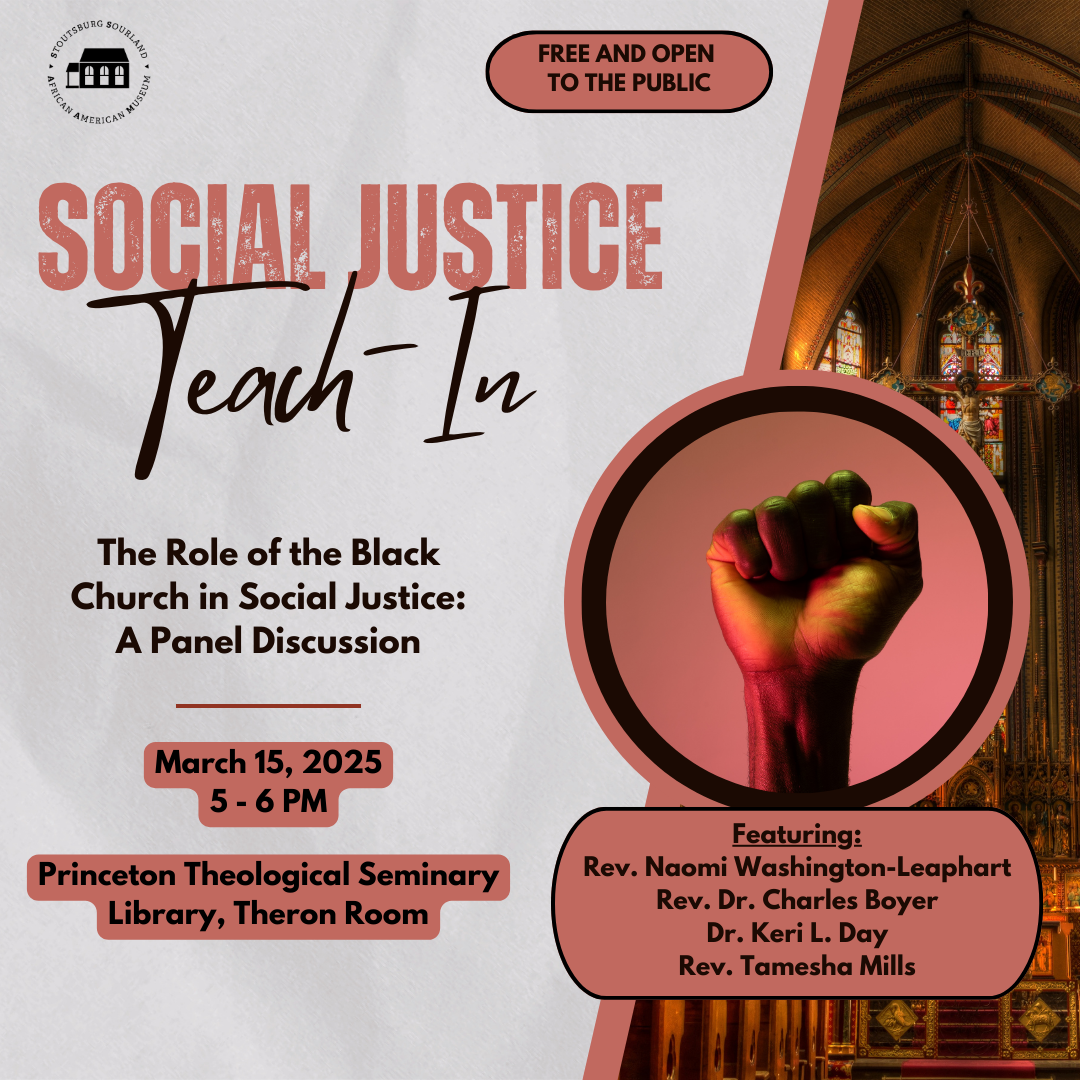
The pulpit has long been more than a place of sermons—it has been a platform for transformation. When the Black Church in America speaks, it echoes through the corridors of history, not merely as a spiritual sanctuary, but as a bastion of moral clarity in the face of systemic injustice. The intersection of faith and advocacy is not a modern phenomenon; it is a legacy etched into the very DNA of communities that have refused to remain silent. Today, as the echoes of past struggles reverberate into the present, a new chapter is being written—one where the Black Church redefines its role not just as a voice for the voiceless, but as a catalyst for systemic change. This evolution invites us to reconsider what it truly means to be a place of worship in a world that demands justice as loudly as it demands salvation.
The Historical Roots: When the Pulpit Became a Megaphone
To understand the present, we must first traverse the past. The Black Church did not emerge in a vacuum—it was forged in the crucible of oppression, resilience, and unyielding faith. From the clandestine gatherings of enslaved Africans whispering hymns under the cover of night to the fiery oratory of civil rights leaders like Dr. Martin Luther King Jr., the Black Church has always been a sanctuary of both spiritual solace and social defiance. It was not merely a building; it was a movement. The sermons delivered from its pulpits were not just about salvation in the hereafter—they were calls to action in the here and now. This dual role—spiritual guide and social architect—was not a contradiction but a necessity. In a society that sought to dehumanize, the Black Church reaffirmed humanity. In a system designed to silence, it amplified voices. The historical roots of this institution run deep, not just in soil, but in the collective consciousness of a people who understood that faith without justice is merely ritual without meaning.
The Modern Mandate: From Moral Clarity to Structural Reform
The 21st century presents a paradox: a world more connected than ever, yet more divided than before. While technology has bridged distances, it has also exposed the chasms of inequality, racial injustice, and systemic oppression. In this landscape, the Black Church stands at a crossroads—not as a relic of the past, but as a living, breathing entity poised for renewal. The modern mandate is clear: the pulpit must evolve from a place of moral exhortation to a hub of strategic advocacy. This is not a departure from tradition; it is a deepening of it. The Black Church today is being called to do more than preach justice—it is being challenged to architect it. This means moving beyond symbolic gestures to tangible interventions: policy advocacy, community organizing, and partnerships with secular allies who share the same vision. The question is no longer whether the Black Church should engage in social justice—it is how it can do so with the same fervor and precision with which it has historically approached salvation.
The Power of Narrative: How Stories Shape Movements
There is a unique alchemy in the way the Black Church has always wielded narrative—transforming personal testimonies into collective movements. A single story, when told from the pulpit, can ripple outward, reshaping perceptions and mobilizing communities. Consider the power of a mother’s voice trembling as she recounts the loss of her son to police violence, or the quiet strength of a young girl describing the indignities of redlining in her neighborhood. These are not just stories; they are moral indictments. They are the raw material from which movements are built. The Black Church, with its rich tradition of oral storytelling, is uniquely positioned to harness this power. By centering lived experiences—not as anecdotes, but as evidence—the Church can shift the narrative from abstract debates about justice to visceral, undeniable truths. This is not mere rhetoric; it is the art of persuasion at its most potent. When a congregation leaves the sanctuary, it should carry not just a message, but a mission.
Partnerships and Alliances: Bridging the Sacred and the Secular
No movement thrives in isolation, and the fight for justice is no exception. The Black Church’s greatest strength may lie not in its autonomy, but in its ability to forge alliances across faiths, cultures, and ideologies. The civil rights movement was not the work of the Black Church alone—it was a symphony of Black and white clergy, Jewish activists, labor unions, and student organizers, all playing their parts in unison. Today, the opportunities for collaboration are even more expansive. Imagine the impact of a coalition between the Black Church and environmental justice groups, addressing the disproportionate burden of pollution in marginalized communities. Or the potential of partnerships with tech innovators to bridge the digital divide in underserved neighborhoods. The key lies in recognizing that justice is not a zero-sum game. When the Black Church extends its hand to allies, it does not dilute its mission—it amplifies it. The pulpit becomes a bridge, and the congregation, a vanguard.
Theological Reckoning: Reclaiming a Prophetic Faith
Yet, for all its potential, the Black Church must also confront an internal reckoning. The same institution that has been a beacon of justice has also, at times, been complicit in silence. Theological traditions that prioritize personal piety over communal liberation have left gaps in the moral imagination. But this is not a crisis—it is an invitation. A prophetic faith is one that refuses to compartmentalize justice. It is a faith that sees the gospel not as a retreat from the world, but as a blueprint for its transformation. This means re-examining scriptures through the lens of liberation theology, where the Exodus story is not just a tale of divine intervention, but a template for dismantling oppressive systems. It means reclaiming the words of prophets like Amos, who thundered, “Let justice roll down like waters, and righteousness like an ever-flowing stream.” The Black Church today is being called to a higher standard—not just of belief, but of action. The question is not whether faith and justice can coexist, but whether the Church will have the courage to demand they do.
The Future of Advocacy: From Pulpit to Policy
The final frontier for the Black Church lies in the realm of policy—a space where moral clarity must be translated into legislative change. This is where the rubber meets the road. Advocacy is not merely about raising awareness; it is about reshaping the systems that perpetuate injustice. The Black Church can leverage its moral authority to influence legislation, from criminal justice reform to equitable education funding. It can mobilize its congregations to vote, to lobby, to run for office. It can use its resources—not just financial, but human—to build power. This is not a departure from the spiritual mission of the Church; it is an extension of it. When a congregation fights for fair housing policies, it is living out the biblical mandate to “learn to do right; seek justice. Defend the oppressed.” The future of advocacy is not in the shadows of the sanctuary, but in the halls of power—where the Church must step, not as a supplicant, but as a force.
The Black Church stands at the precipice of a new era—one where its legacy of justice is not confined to the pages of history, but written in the laws, policies, and hearts of a nation. The opportunities for advocacy are boundless, but the work is urgent. It demands courage, creativity, and an unshakable commitment to the belief that faith without action is not faith at all. The pulpit is not just a place to preach; it is a place to act. And the congregation is not just a body to be fed; it is an army to be mobilized. The time for transformation is now—and the Black Church, with its unparalleled moral authority and unwavering resolve, is uniquely equipped to lead the charge.

