

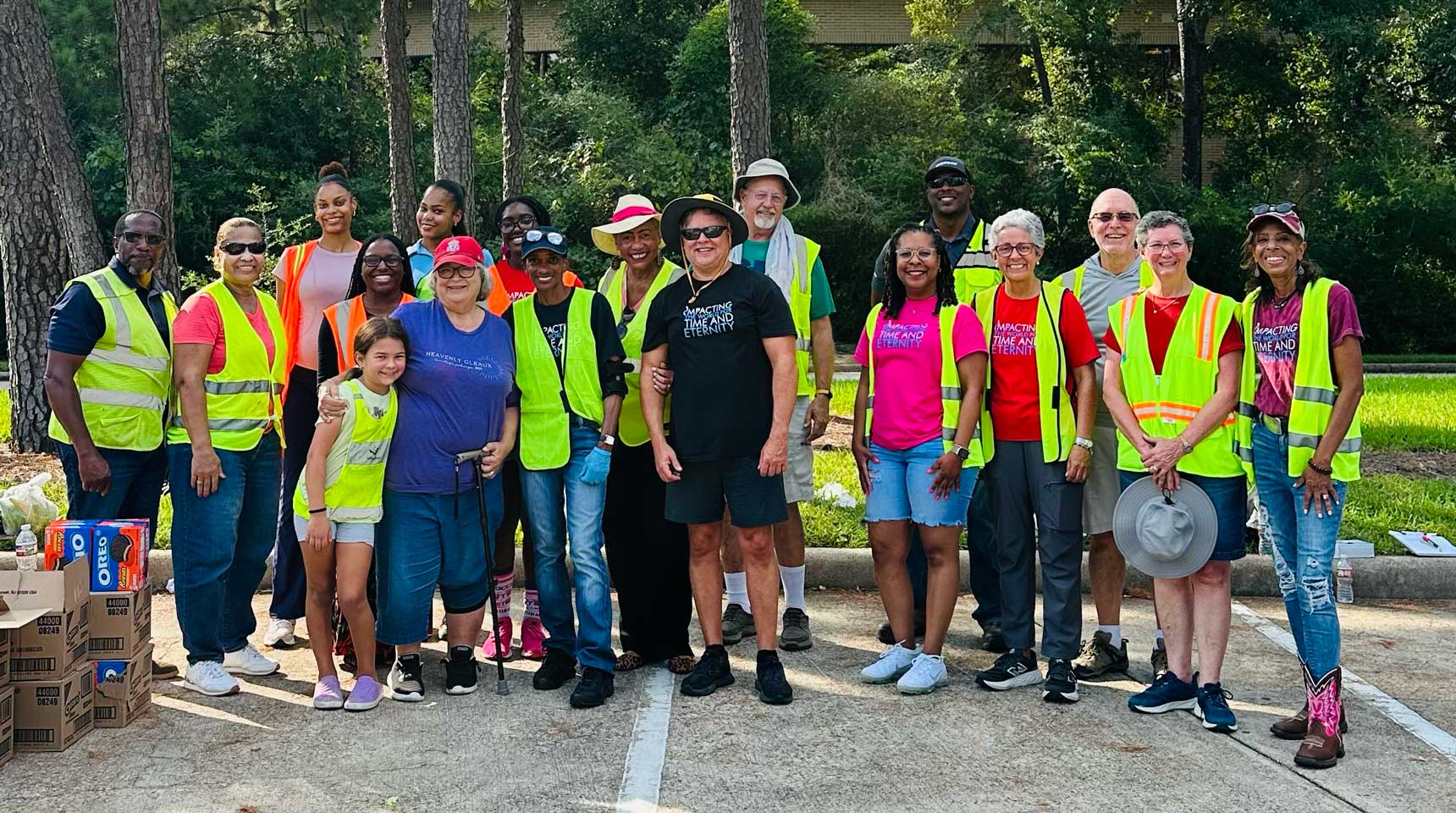
In a world where division often overshadows unity, the church stands as a beacon of hope—a place where compassion meets action, and faith fuels transformation. But what if the church’s role extended far beyond its walls? What if its outreach wasn’t just a program, but a lifeline for communities teetering on the edge of despair? The call to serve isn’t just a moral obligation; it’s a revolutionary act of love that reshapes lives, rebuilds broken systems, and redefines what it means to be a neighbor. This isn’t about charity. It’s about impact—a seismic shift in perspective that turns spectators into participants and helplessness into hope.
The Church as a Catalyst for Cultural Metamorphosis
For centuries, the church has been more than a building; it’s been a movement. Yet today, its greatest potential lies not in its pews, but in its pulse—the relentless rhythm of its outreach. When a congregation awakens to its role as a cultural architect, it doesn’t just serve the community; it reimagines it. Picture a church that doesn’t just hand out food but cultivates gardens where families can grow their own. Envision a congregation that doesn’t just offer shelter but builds homes where dignity is restored. This is the alchemy of outreach: transforming scarcity into abundance, isolation into belonging, and despair into purpose.
The most effective outreach begins with a question: What does this community truly need? Not what we think it needs, but what it aches for. In urban deserts where grocery stores are scarce, a mobile food pantry becomes a lifeline. In neighborhoods where youth wander without direction, after-school mentorship programs become beacons of possibility. The church’s reach must stretch beyond the familiar, embracing the overlooked—the single mother working two jobs, the veteran wrestling with invisible wounds, the teenager teetering on the brink of hopelessness. Outreach isn’t a side project; it’s the church’s raison d’être in action.
Breaking the Chains of Transactional Service
Too often, outreach devolves into a transaction: a handout here, a volunteer shift there, a fleeting moment of relief that leaves both giver and receiver unchanged. But what if service became sacramental—a sacred exchange where hearts are transformed as much as circumstances? This requires moving from charity to solidarity, from pity to partnership. When a church walks alongside a struggling family for years, not just months, it doesn’t just provide aid; it becomes family. When volunteers don’t just serve meals but share stories over them, they don’t just fill stomachs; they nourish souls.
Consider the power of asset-based community development, where the church doesn’t impose solutions but uncovers the gifts already present in the community. Maybe it’s the elderly woman who knits blankets for the homeless, or the teenager who tutors younger kids. The church’s role? To amplify these voices, to provide the tools, and to stand in awe of what happens when people realize they’re not just recipients—they’re contributors. This is the antidote to the savior complex; it’s the humility of recognizing that the community holds the answers, and the church’s gift is simply to listen.
The Unseen Battles: Mental Health and Spiritual Poverty
Outreach isn’t just about physical needs—it’s about the invisible wounds that fester in silence. Mental health crises don’t discriminate; they strike the wealthy and the poor, the young and the old. Yet for many, the church has been a place of judgment rather than refuge. What if congregations became sanctuaries for the brokenhearted? What if small groups became circles of vulnerability where people could admit, I’m not okay? Training volunteers in trauma-informed care, offering support groups for anxiety and depression, and normalizing conversations about mental wellness could revolutionize how the church serves.
Then there’s the specter of spiritual poverty—not the absence of faith, but the absence of hope. In a world that whispers, You are not enough, the church must roar, You are beloved. Outreach in this realm means creating spaces where people can encounter the divine not as a distant deity, but as a present help. It means sermons that don’t just inform but ignite, worship that doesn’t just entertain but transforms, and prayer that isn’t just ritual but revolution. When the church becomes a hospital for the soul, its outreach transcends logistics—it becomes a lifeline to eternity.
From Outreach to Empowerment: The Art of Sustainable Change
Handouts feed people for a day. Empowerment feeds them for a lifetime. The most profound outreach doesn’t just meet immediate needs; it equips people to rewrite their own stories. This is where the church’s role evolves from provider to partner. Job training programs that lead to living-wage employment. Financial literacy classes that break the cycle of poverty. ESL courses that open doors to new opportunities. These aren’t just programs; they’re gateways to dignity.
But empowerment requires more than resources—it requires relationships. When a single mother secures a stable job, who celebrates with her? When a formerly incarcerated man finds housing, who walks beside him? The church’s greatest asset isn’t its budget; it’s its people. Volunteers who commit for the long haul, mentors who show up consistently, and friends who refuse to let anyone walk alone. This is the iron sharpens iron principle in action—where one person’s breakthrough becomes another’s inspiration, and collective transformation becomes inevitable.
The Ripple Effect: How One Church Can Ignite a Movement
The story of a single church’s outreach isn’t just about that church—it’s about the domino effect it creates. When a congregation in one city starts a free clinic, neighboring towns take notice. When a youth program flourishes, other churches replicate its model. When a family’s life is restored, their story becomes a testimony that fuels generosity in others. This is the power of contagious compassion—where acts of love spread like wildfire, leaving trails of hope in their wake.
Imagine if every church asked not, What can we do? but What could we do if we dared? What if congregations pooled resources to tackle systemic issues like homelessness or education? What if pastors became advocates, not just preachers? What if the church’s outreach didn’t just fill gaps but closed them? The ripple effect begins with a single step—a decision to see the community not as a project, but as a partner in a shared journey toward wholeness.
Conclusion: The Church’s Most Urgent Calling
The church’s outreach isn’t a checkbox on a to-do list; it’s the heartbeat of its mission. It’s the tangible expression of a God who didn’t just observe human suffering from afar but stepped into it. When the church embraces this calling with boldness and humility, it doesn’t just change communities—it redefines them. It turns spectators into storytellers, recipients into contributors, and despair into a defiant declaration: Hope is here.
So the question isn’t whether the church should engage in outreach. The question is: What will it look like when we do? The answer isn’t in a strategy manual or a five-year plan. It’s in the willingness to listen, the courage to act, and the faith to believe that even the smallest act of love can rewrite destinies. The time for half-hearted efforts is over. The world doesn’t need more spectators. It needs the church to rise—not as a building, but as a movement. Not as an institution, but as a family. Not as a voice in the wilderness, but as the hands and feet of the One who first loved us.

