

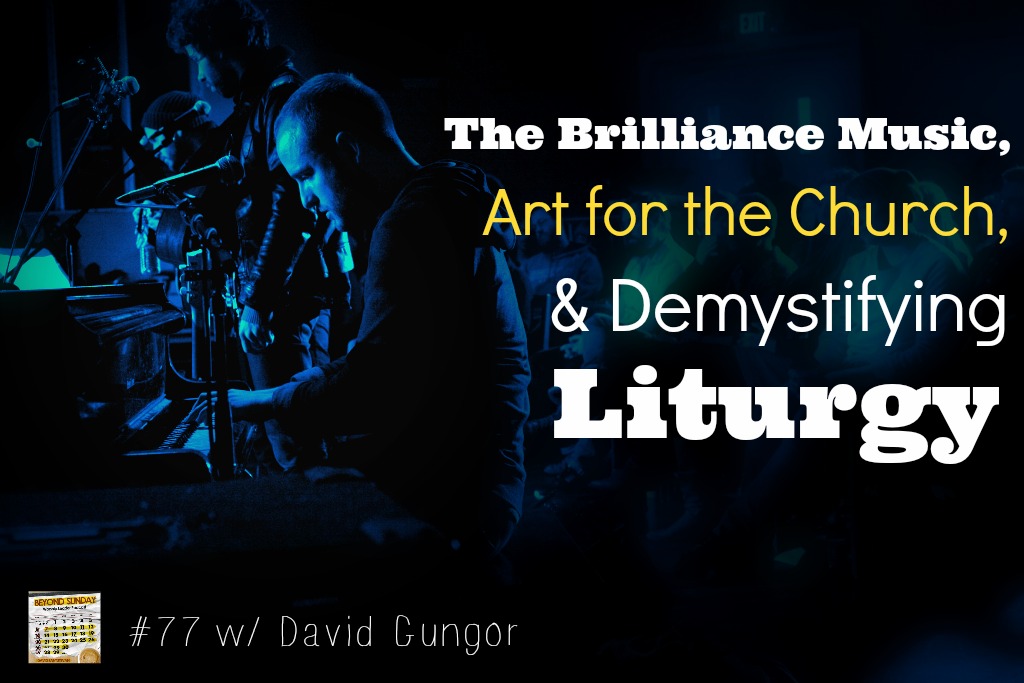
What if the pews of your church could double as a recording studio? What if the hymnal in your hands held the keys to a podcast empire? Welcome to the curious convergence of faith and audio waves, where the sacred and the sonic collide in the most unexpected ways. The modern church isn’t just a place of Sunday sermons and potlucks anymore—it’s a dynamic hub of digital storytelling, and at the heart of this transformation lies a growing fascination with worship through podcasts. These audio sanctuaries are redefining how we experience liturgy, music, and community, all while challenging us to rethink what it means to worship in the 21st century.
The Sacred Playlist: How Podcasts Are Reshaping Worship Music
Imagine tuning into a podcast not just to hear a lecture or a debate, but to immerse yourself in the very songs that have echoed through centuries of worship. Podcasts dedicated to worship music are doing just that—curating playlists that span Gregorian chants to Hillsong anthems, all while dissecting the theology behind the melodies. These aren’t mere compilations; they’re pilgrimages through sound, where each track becomes a meditation on faith, doubt, and redemption.
But here’s the twist: these podcasts aren’t just passive listening experiences. They’re interactive. Listeners are invited to respond, to sing along, to pause and reflect. The line between performer and congregant blurs, creating a participatory liturgy that extends far beyond the church walls. It’s worship as a dialogue, not a monologue—a radical departure from the one-way transmission of traditional hymnals.
Liturgy Unplugged: The Rise of Audio-Centric Spiritual Practices
Liturgy, that ancient choreography of words and rituals, is finding new life in the digital age. Podcasts are transforming it from a static script into a living, breathing entity. Picture this: a weekly podcast that walks listeners through the liturgical calendar, blending spoken prayers with ambient sounds of a cathedral’s echo or the rustle of autumn leaves during autumnal observances. It’s liturgy as an immersive soundscape, where the sacred isn’t just recited—it’s experienced.
Yet, this innovation comes with a challenge. How do we preserve the solemnity of liturgy when it’s delivered through headphones, between commutes and coffee breaks? The risk isn’t just distraction; it’s the erosion of reverence. Can a podcast truly capture the awe of kneeling in a candlelit sanctuary, or is it doomed to reduce the ineffable to a background hum?
The Preacher’s Mic: Podcasts as Modern-Day Pulpits
Podcasts are the new pulpits, but with a twist—they’re decentralized, accessible, and often unfiltered. Pastors and worship leaders are stepping into the booth, trading pulpits for microphones, and inviting listeners into their theological musings. These aren’t just sermons; they’re conversations. They’re debates. They’re even confessions. The intimacy of a podcast creates a space where doubt and faith can coexist without judgment.
But power dynamics shift in this new medium. Who gets to speak? Whose voice is amplified? The democratization of podcasting means that marginalized perspectives—those of women, people of color, and LGBTQ+ individuals—are finally being heard. Yet, the challenge remains: how do we ensure these voices aren’t just tokens in a broader narrative, but integral to the fabric of worship itself?
The Worship Leader’s Dilemma: Authenticity vs. Performance
For worship leaders, podcasts present a paradox. On one hand, they offer a platform to share their artistry and insights. On the other, they risk turning worship into performance—a spectacle for passive consumption. The question looms: Can a podcast truly foster communal worship, or does it inevitably become a solo act?
Consider the rise of “worship podcasts” that feature live recordings of congregational singing. The raw, unpolished energy of a room full of voices blending in harmony is electric. But when that energy is captured and streamed, does it lose its magic? Or does it gain something new—a sense of universality, a reminder that worship isn’t confined to a single place or time?
Theological Tensions: When Tradition Meets Innovation
The collision of tradition and innovation isn’t always graceful. Some churches embrace podcasts as a tool for evangelism, while others view them as a distraction from the “real” work of worship. The tension isn’t just about technology; it’s about theology. What does it mean to worship “in spirit and in truth” when the spirit is mediated through algorithms and the truth is delivered in 30-minute episodes?
Yet, perhaps this tension is exactly where the magic lies. Podcasts force us to confront our assumptions about worship. They ask us to consider: Is worship something we do only in a sanctuary, or can it happen anywhere—on a morning run, during a lunch break, or in the quiet hum of a car engine?
The Future Soundscape: Where Do We Go From Here?
The future of church and worship podcasts is as unpredictable as it is exciting. We’re already seeing experiments with binaural audio to create 3D worship experiences, AI-generated hymns tailored to individual spiritual journeys, and even podcasts that blend worship with storytelling in ways that blur the line between sermon and narrative fiction.
But the real question isn’t about technology—it’s about community. Can these podcasts foster a sense of belonging in an era where loneliness is epidemic? Can they remind us that worship is, at its core, an act of connection—not just to the divine, but to one another?
The pews may never be the same. Neither may our understanding of what it means to worship. And perhaps that’s the point. The church has always been a living, breathing organism, adapting to the rhythms of the world around it. Podcasts aren’t just a trend; they’re a testament to the church’s enduring ability to reinvent itself—one byte at a time.

