

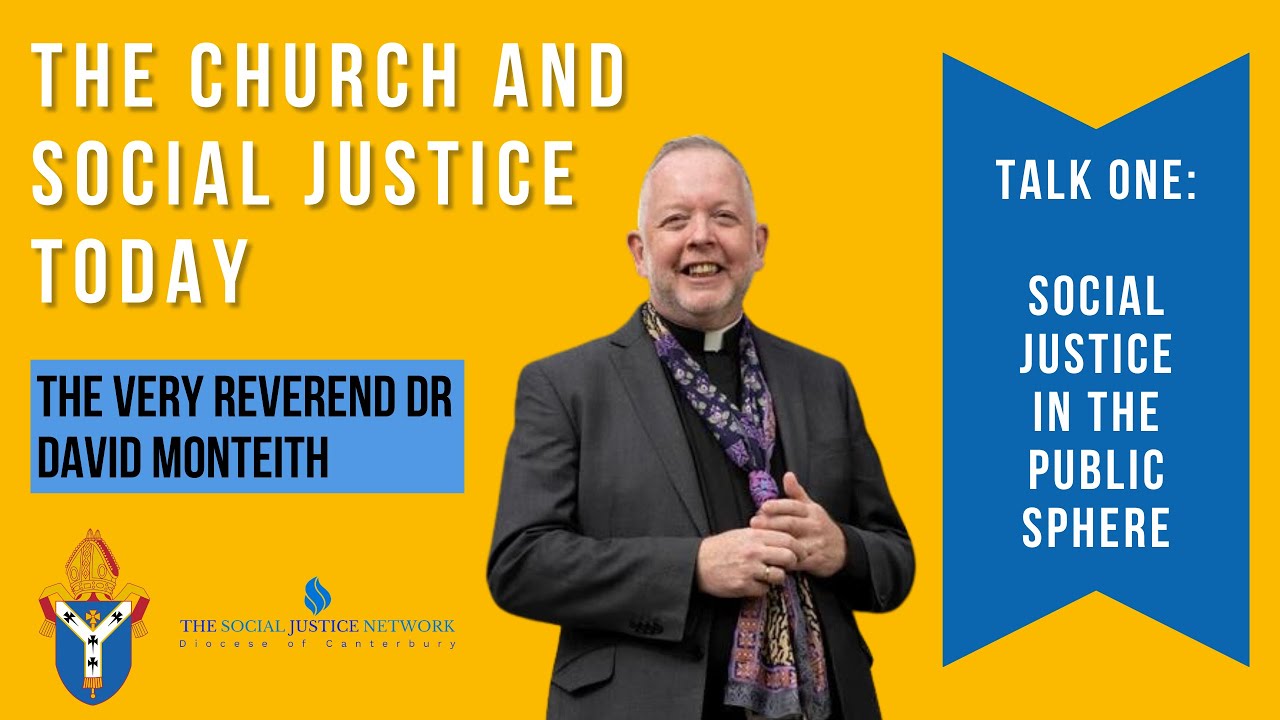
What if the pews of the digital age could double as pulpits for justice? In a world where algorithms dictate what we see—and what we care about—YouTube has quietly become a battleground for moral imagination, where faith and activism collide in pixels and passion. The pulpit has left the sanctuary. It’s now streaming live, edited, and optimized for engagement. But can a platform built on cat videos and conspiracy theories truly become a vessel for sacred social justice? The answer isn’t just yes—it’s a resounding *maybe*, wrapped in the paradox of modern discipleship.
The Digital Exodus: Why the Church is Leaving the Building (and the Pews)
For centuries, the church has been a physical anchor—a place of brick and mortar where justice was preached, hymns were sung, and the marginalized found refuge. But today, the pews are emptying in droves, not because faith is fading, but because the faithful are migrating. They’re not abandoning the message; they’re seeking new mediums. YouTube, with its 2.7 billion monthly users, is one such exodus destination. It’s a paradox: the same platform that hosts makeup tutorials and gaming marathons is now home to sermons on systemic racism, climate ethics, and economic inequality.
This isn’t just about convenience. It’s about accessibility. A single video can reach a village in Kenya, a student in Seoul, and a retiree in Kansas City—all in the same hour. The church has always been called to go into the world, and the world is now online. But here’s the catch: the digital pulpit demands a new kind of sermon. One that’s not just eloquent, but engaging. One that doesn’t just inform, but incites. The challenge? Balancing the sacred with the scrollable, the profound with the platform’s relentless demand for dopamine.
From Pulpit to Playlist: How YouTube Became a Justice Hub
YouTube wasn’t designed for moral crusades. It was built for cat videos and clickbait. Yet, over time, it evolved into something far more potent: a global agora where ideas—noble and nefarious alike—compete for attention. For the church, this presents both an opportunity and a dilemma. The opportunity is clear: a chance to speak to the masses, to challenge injustices with the same fervor as a preacher in the 19th century. The dilemma? The medium itself.
Consider the format. A 20-minute sermon on YouTube is a marathon for the average viewer, who’s conditioned to binge 10-second clips. The church’s traditional rhetoric—measured, deliberate, layered—often clashes with the platform’s addiction to instant gratification. Yet, some have cracked the code. Channels like Sojourners and The Bible Project blend scholarship with storytelling, using animation, interviews, and cinematic visuals to make complex theological and social issues digestible. Others, like Red Letter Christians, lean into raw, unfiltered conversations about race, poverty, and war—content that feels less like a sermon and more like a town hall.
But here’s the unspoken tension: authenticity vs. algorithm. The most viral justice-focused content isn’t always the most theologically rigorous. It’s the content that triggers outrage, inspires hope, or stokes curiosity. The church must ask itself: Are we preaching the Gospel, or are we gaming the algorithm? The line is thin, and the stakes couldn’t be higher.
The Paradox of Virality: Can Justice Thrive in the Attention Economy?
Attention is the new currency, and YouTube’s algorithm is its ruthless banker. A video’s success isn’t measured in souls saved, but in views, likes, and shares. This creates a perverse incentive: the more inflammatory or emotionally charged the content, the more it spreads. For justice advocates, this is a double-edged sword. On one hand, a well-crafted video can expose injustices to millions in hours. On the other, it risks reducing complex issues to soundbites, turning moral outrage into a spectator sport.
Take, for example, the rise of “social justice influencers” within Christian circles. Some use their platforms to amplify voices from the margins, while others exploit suffering for clout. The difference often comes down to intent. Channels like Truth’s Table, hosted by three Black women theologians, model what it means to engage with justice in a way that’s both prophetic and pastoral. Their discussions on intersectionality and faith don’t just inform—they invite listeners into a journey of self-reflection and communal transformation.
Yet, the algorithm doesn’t care about transformation. It cares about retention. So, the challenge for faith-based justice advocates is this: How do you create content that challenges the status quo without becoming a prisoner to the platform’s hunger for engagement? The answer may lie in embracing the medium’s strengths—its interactivity, its global reach—while resisting its weaknesses: its tendency to commodify pain and its preference for spectacle over substance.
The Litmus Test: Does YouTube Justice Actually Change Anything?
It’s easy to mistake online activism for real-world change. A viral video can spark a hashtag, but hashtags don’t feed the hungry or free the imprisoned. The true test of YouTube’s role in social justice isn’t in the number of views or shares, but in whether it leads to tangible action. Does watching a sermon on economic inequality prompt viewers to volunteer at a food bank? Does a video on racial reconciliation inspire a church to diversify its leadership? The answers are murky, but the potential is undeniable.
Some channels are rising to the challenge. The Liturgists, for instance, blend art, theology, and activism in ways that feel both ancient and cutting-edge. Their episodes on topics like white supremacy and environmental degradation don’t just provoke thought—they provide resources for listeners to take action, from prayer guides to local advocacy groups. Similarly, Q Ideas curates conversations between Christian leaders and activists, bridging the gap between pulpit and policy.
But the litmus test isn’t just about individual action. It’s about systemic change. Can YouTube influence legislation, shift cultural narratives, or hold institutions accountable? The answer is a cautious yes—but only if the content is paired with real-world organizing. The most effective justice-focused channels don’t just preach to the choir; they equip the choir to sing in the streets.
The Future of the Digital Pulpit: A Call to Creative Courage
The church has always been a storytelling institution. From the parables of Jesus to the sermons of Martin Luther King Jr., narrative has been the vehicle for justice. YouTube is simply the latest iteration of that tradition—a digital campfire where stories are told, debated, and lived out. But the future of the digital pulpit isn’t guaranteed. It will be shaped by those willing to take creative risks, to experiment with new formats, and to resist the temptation to water down the message for the sake of engagement.
Imagine a YouTube channel where a pastor and an activist co-host a series on poverty, interviewing economists, people experiencing homelessness, and policymakers—all in the same episode. Or a channel that uses virtual reality to immerse viewers in the realities of refugees, letting them “walk a mile” in someone else’s shoes. The possibilities are limited only by imagination—and the willingness to challenge the status quo.
The digital age has given the church a megaphone. The question is: Will we use it to shout into the void, or to build a more just world?

