

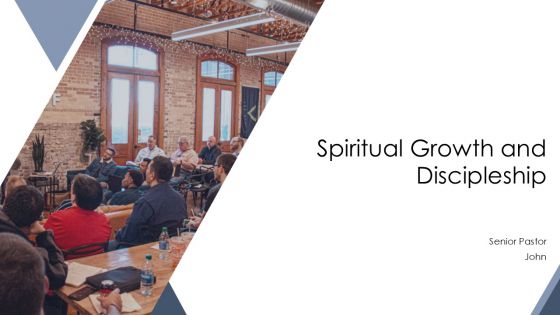
What if the most transformative spiritual growth didn’t happen in the pews, but in the quiet hum of a well-crafted webinar? Imagine a space where curiosity meets conviction, where questions aren’t just tolerated but celebrated, and where the pursuit of discipleship feels less like a duty and more like a grand adventure. Welcome to the modern frontier of spiritual formation—where the church isn’t just a building, but a living, breathing ecosystem of learning, connection, and transformation. Webinars, often dismissed as mere digital distractions, are quietly rewriting the rules of discipleship, offering a dynamic, accessible, and deeply personal way to nurture faith in an increasingly fragmented world.
The Digital Pulpit: Why Webinars Are the New Campfire for the Soul
There’s something primal about gathering around a fire, isn’t there? The flickering light, the shared stories, the way the flames seem to dance with the words being spoken. Webinars, in their own quiet way, are the modern campfire—a virtual hearth where wisdom is passed down, doubts are aired, and hearts are knit together across miles and time zones. Unlike traditional sermons, which often follow a one-way transmission model, webinars invite participation. They’re interactive, responsive, and, when done right, feel like a conversation rather than a lecture.
Consider the power of real-time engagement. A pastor or spiritual leader isn’t just speaking *at* an audience; they’re speaking *with* them. Polls, Q&A sessions, breakout rooms—these aren’t gimmicks. They’re tools that dismantle the barriers between teacher and learner, creating a space where spiritual growth feels collaborative rather than solitary. And let’s not forget the asynchronous magic of recorded webinars. For the night owl who thrives at 2 AM or the single parent juggling a hundred responsibilities, the ability to pause, rewind, and revisit isn’t just convenient—it’s revolutionary.
The Curse of Distraction: Can Webinars Really Hold Our Attention?
But here’s the rub: attention is the new currency, and it’s in short supply. We live in an era where a single notification can derail even the most disciplined mind. So how do we ensure that a webinar on spiritual growth doesn’t get lost in the digital abyss alongside cat videos and doomscrolling? The answer lies in storytelling. The best webinars aren’t dry lectures; they’re narratives. They weave personal anecdotes, scriptural insights, and practical applications into a tapestry that feels less like a lesson and more like a journey.
Think of it this way: a webinar on discipleship isn’t just about teaching the principles of faith—it’s about inviting participants into a story where they see themselves as the heroes. Maybe it’s the tale of a prodigal son finding his way home, or the quiet resilience of a widow who discovers strength in prayer. When spiritual growth is framed as a story, it becomes sticky. It lingers. It transforms. And in a world where our brains are wired to crave narrative, this is the secret sauce that keeps participants coming back for more.
The Loneliness Epidemic: Can Webinars Foster Real Community?
Yet, even the most compelling story can’t replace the warmth of a handshake or the comfort of a shared laugh. The modern church faces a paradox: we’re more connected than ever, yet loneliness has reached epidemic proportions. So how do webinars bridge this gap? The key is intentionality. A webinar isn’t just a broadcast; it’s a catalyst for community. The best ones don’t end when the screen fades to black. They spark follow-up discussions, small group meetups, and even mentorship pairings.
Imagine logging off from a webinar on spiritual disciplines and immediately joining a breakout room where you’re paired with two other attendees to discuss the week’s challenges. Or receiving an email the next day with a reflection question and a prompt to share your thoughts in a private online forum. These aren’t just add-ons—they’re the glue that turns a digital event into a lived experience. The challenge, of course, is designing these touchpoints with care. It’s not enough to host a webinar and call it a day. The real magic happens in the follow-through.
The One-Size-Fits-None Dilemma: Tailoring Discipleship for Every Soul
Here’s a hard truth: discipleship isn’t a monolith. What ignites the spiritual flame in one person might leave another cold. A young professional wrestling with doubt needs a different approach than a retiree seeking deeper meaning. A webinar that tries to be everything to everyone risks being nothing to anyone. So how do we solve this puzzle?
The answer is segmentation. The most effective spiritual growth webinars are hyper-focused. They might target new believers, seasoned saints, or those exploring faith for the first time. They might tackle specific themes—prayer, service, biblical literacy—or address life stages like parenting, grief, or career transitions. The goal isn’t to create silos but to honor the unique journey of each participant. And when done well, these tailored experiences foster a sense of belonging that generic content simply can’t match.
But segmentation isn’t just about content—it’s about delivery. A webinar for Gen Z might leverage TikTok-style storytelling, while one for older adults could incorporate slower-paced, discussion-driven formats. The medium, in this case, isn’t just the message; it’s the messenger.
The Accountability Gap: Will Anyone Actually Show Up—and Stay?
Let’s be real: the hardest part of any spiritual growth initiative isn’t the content. It’s the follow-through. How many of us have signed up for a Bible study or a prayer challenge, only to ghost it after the first week? Webinars are no exception. The challenge isn’t getting people to click “register”—it’s getting them to stay engaged long after the screen turns off.
This is where accountability becomes the unsung hero. The best webinars don’t just leave participants inspired; they leave them equipped. They provide actionable steps—daily devotionals, accountability partners, or even a simple “check-in” system where participants share their progress. And let’s not underestimate the power of peer pressure (the good kind). When a group of friends signs up together, or when a small group commits to watching the webinar and discussing it weekly, the stakes feel higher. The challenge isn’t just showing up—it’s showing up *consistently*.
The Future of Discipleship: A Hybrid Horizon
The church of tomorrow won’t be defined by either/or—it will be defined by both/and. Webinars won’t replace in-person gatherings, but they will complement them. They’ll offer a lifeline to those who can’t attend Sunday services, a supplement to those craving deeper study, and a bridge to those on the fringes of faith. The future of discipleship is hybrid: a seamless blend of digital and physical, of individual and communal, of inspiration and application.
But this future isn’t guaranteed. It requires intentionality, creativity, and a willingness to experiment. It demands that we ask hard questions: Are our webinars accessible to those with limited tech skills? Do they reflect the diversity of our communities? Are they truly transforming lives, or just filling seats? The answers won’t come from passive observation—they’ll come from bold experimentation and a relentless pursuit of what works.
So here’s the playful challenge we must all face: What if the next great spiritual awakening isn’t sparked by a sermon, but by a webinar? What if the person who changes the trajectory of your faith isn’t the one standing at the pulpit, but the one typing a question in the chat box? The tools are here. The need is urgent. The question isn’t whether we can do this—it’s whether we’ll dare to try.

