

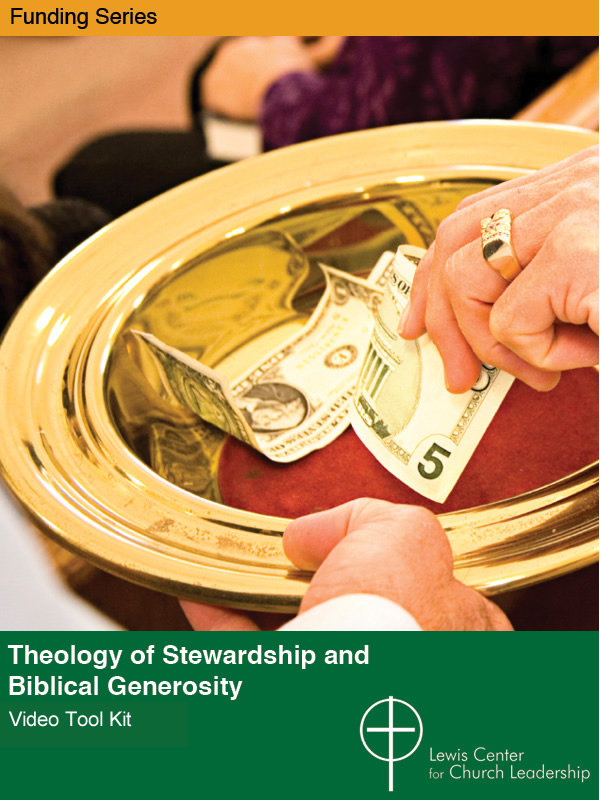
In the grand tapestry of faith, few threads are as vital—or as misunderstood—as the relationship between church and finances. Money, often whispered about in hushed tones within sacred halls, is not merely a practical necessity but a profound spiritual discipline. It is the currency of generosity, the seed of stewardship, and the bridge between devotion and action. Yet, for many congregations, navigating this terrain feels like walking a tightrope between scarcity and excess, between duty and desire. What if we reimagined church finances not as a burden, but as a sacred art? What if stewardship became a rhythm of the heart, a dance of trust and gratitude? This is the journey we embark upon—one where every dollar tells a story, every gift is an act of worship, and every financial decision echoes into eternity.
The Sacred Ledger: Why Finances Matter in the House of Faith
At first glance, the intersection of church and money may seem mundane, a mere ledger of tithes and offerings. But peel back the layers, and you’ll find a landscape rich with spiritual significance. Finances in the church are not just about survival; they are about soul-craft. Every donation is a whisper of faith, every budget line a testament to priorities. The church’s financial health is a mirror reflecting its spiritual vitality. A congregation that stewards its resources with intentionality is one that thrives—not just in numbers, but in purpose.
Consider the parable of the talents (Matthew 25:14-30). The master does not entrust his servants with gold for the sake of gold itself, but to test their character, their diligence, and their trust. In the same way, the church’s finances are a proving ground for discipleship. They reveal where our hearts truly lie. Do we hoard or do we sow? Do we measure success in empty pews or in transformed lives? The ledger is not just a spreadsheet; it is a spiritual audit, a call to align our material blessings with our eternal mission.
The Alchemy of Generosity: Turning Offerings into Impact
Generosity is the alchemy of the spiritual world—a process where ordinary gifts are transmuted into extraordinary change. But alchemy requires more than good intentions; it demands strategy, transparency, and a touch of audacity. The most effective churches do not treat giving as a passive transaction but as an active invitation to co-create with God. They craft narratives around their financial needs, not as pleas for survival, but as invitations to participate in a grander story.
Imagine a church that frames its annual budget not as a list of expenses, but as a vision manifesto. Each line item is a chapter in a larger tale of transformation: “$50,000 for youth outreach—empowering the next generation to carry the torch of faith.” “$20,000 for community meals—turning scarcity into sustenance.” This is not mere fundraising; it is storytelling with numbers. When congregants see their contributions as brushstrokes in a masterpiece, giving becomes an act of co-authorship with the Divine.
Yet, alchemy also requires trust. Transparency is the crucible in which generosity is refined. Churches that publish detailed financial reports, share stories of impact, and invite dialogue about spending decisions foster a culture where giving is not coerced but celebrated. The most compelling appeals are not those that tug at heartstrings with guilt, but those that ignite the imagination with possibility.
The Digital Tithe: Modern Tools for Timeless Principles
The digital age has revolutionized how we steward resources, but the principles remain unchanged. Online giving platforms, mobile apps, and automated tithing systems are not just conveniences—they are gateways to generosity. They remove barriers, making it effortless for congregants to participate in the rhythm of giving, whether they are across the street or across the globe.
But technology is only as effective as the culture it serves. A church with a state-of-the-art giving app will still struggle if its members view tithing as an obligation rather than an opportunity. The real magic happens when digital tools are paired with intentional discipleship. Sermons on stewardship, small group discussions on generosity, and personal testimonies of transformed lives breathe life into the cold mechanics of online giving. The goal is not just to collect funds, but to cultivate a generosity mindset—one where giving is as natural as breathing.
Moreover, digital platforms open doors to innovative forms of stewardship. Crowdfunding for mission trips, peer-to-peer fundraising for community projects, and even cryptocurrency donations are redefining what it means to give. The church that embraces these tools does not just keep pace with the world; it becomes a beacon of relevance, showing that ancient truths can thrive in modern soil.
The Budget as a Spiritual Discipline: Crafting a Kingdom-Focused Plan
A church budget is more than a financial document; it is a moral compass. It reveals what a congregation truly values. Does it prioritize opulent facilities over feeding the hungry? Does it hoard reserves while neglecting the marginalized? The budget is a mirror, and the reflection it casts can be humbling—or revelatory. Crafting a Kingdom-focused budget requires prayer, discernment, and a willingness to ask difficult questions.
Start with the sacred first. Before allocating funds to programs or projects, ensure that the church’s tithe to its denomination, its support for global missions, and its investment in clergy compensation are honored. These are not line items; they are sacred obligations, the first fruits of the congregation’s labor. From there, build a budget that reflects the church’s unique calling. A congregation in an urban center may prioritize affordable housing initiatives, while a rural church might focus on agricultural missions. The key is alignment—every dollar spent should be a step toward fulfilling the church’s God-given mandate.
But a budget is not static. It must be revisited, revised, and reimagined in light of changing needs and divine promptings. The most effective churches treat their budgets as living documents, subject to the Holy Spirit’s leading. They ask: Where is God moving? Where are the needs greatest? Where can we take bold risks for the sake of the Gospel? This is not financial management; it is kingdom accounting.
The Ripple Effect: How Stewardship Transforms Communities
The impact of faithful stewardship extends far beyond the church walls. It creates a ripple effect, transforming communities one act of generosity at a time. When a church stewards its resources well, it becomes a catalyst for change—a lighthouse in a storm, a wellspring of hope in a parched land.
Consider the church that partners with local food banks, not just with donations, but with volunteers, advocacy, and systemic solutions. Or the congregation that funds microloans for entrepreneurs in developing nations, turning recipients into givers. These are not just charitable acts; they are kingdom investments, seeds planted in faith that yield a harvest of justice and mercy. The church’s financial stewardship is not an end in itself but a means to an end—the flourishing of all people, the healing of the world.
Yet, the ripple effect also demands accountability. Churches must ensure that their giving is not performative but transformative. Are the funds reaching the intended recipients? Are the programs making a measurable difference? Transparency and evaluation are not just best practices; they are acts of love, ensuring that every dollar given is a dollar well spent.
Conclusion: The Eternal Ledger
In the grand accounting of life, the church’s finances are but a single entry in an eternal ledger. Yet, how we steward those resources determines whether our story is one of fleeting transactions or lasting legacy. The tools of stewardship—generosity, transparency, innovation, and intentionality—are not just strategies; they are sacred disciplines. They shape not only the church’s future but the world’s.
So let us reimagine the church’s relationship with money. Let us treat every offering as a seed, every budget line as a prayer, and every financial decision as an act of worship. For in the end, the ledger will close, but the impact of a life lived generously will echo into eternity.

